Bedding Grammar & Usage Quiz
Based on the article "How to Use the Word Bedding Correctly," this quiz helps you master the nuances of bedding terminology.
You walk into a store looking for new sheets. You see a sign that says "Premium Bedding." You buy it. But have you ever stopped to wonder if bedding is actually the right word for what you just bought? Or maybe you’re writing a product description, a blog post, or an essay about sleep hygiene, and you’re stuck on whether to say "bed linen," "bedclothes," or just "bedding." It sounds simple, but using this term incorrectly can make your writing feel amateurish or your shopping trip confusing.
The confusion usually stems from one thing: people treat "bedding" as a singular object when it’s actually a collective category. Think of it like the word "furniture." You don’t point at a single chair and say, "Look at that furniture." You say, "That’s a piece of furniture." The same logic applies here. If you want to sound like someone who knows their way around a bedroom, you need to understand exactly what falls under the umbrella of bedding and how to use the word grammatically and stylistically.
What Exactly Counts as Bedding?
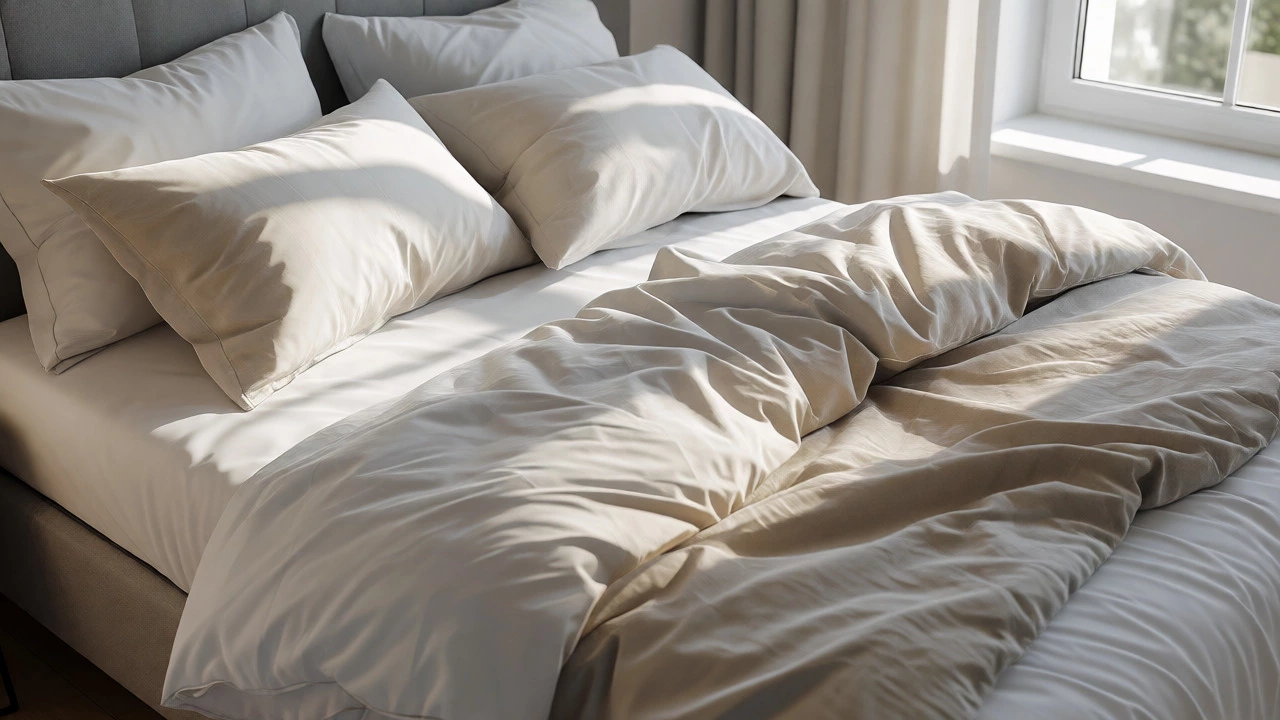
Before you can use the word correctly, you need to know what it includes. In the home goods industry and in standard English usage, bedding is a collective noun referring to all the textiles used to cover and dress a bed. This isn't just about keeping warm; it's about layering for comfort and aesthetics.
When you hear the term, visualize these specific items:
- Sheets: Flat sheets and fitted sheets that go directly against your skin.
- Duvet Covers: The removable fabric shell that holds your duvet insert.
- Pillowcases: Covers for your sleeping pillows.
- Quilts and Coverlets: Decorative or lightweight warming layers.
- Dust Ruffles: Fabric skirts that hide the space under the bed.
Notice what is missing? Mattresses are not bedding. They are part of the bed frame structure. Pillows themselves (the inserts) are often categorized separately from pillowcases, though colloquially people lump them together. To be precise, the case is bedding; the foam or feather inside is the pillow core. Understanding this distinction helps you write more accurately.
The Grammar Trap: Singular vs. Plural
This is where most people stumble. Is "bedding" singular or plural? Technically, it is an uncountable noun, similar to "water" or "rice." You cannot say "I bought three beddings." That sounds wrong to a native speaker. Instead, you quantify it by saying "three sets of bedding" or "three pieces of bedding."
Here is the rule of thumb: Treat "bedding" as a mass noun. If you are talking about the entire collection of fabrics on a bed, use the singular verb form. For example: "The bedding is expensive." Not "The bedding are expensive." Even if you have five different items-sheets, duvet, shams-the concept of "bedding" acts as one unit.
| Incorrect Usage | Correct Usage | Why? |
|---|---|---|
| I need new beddings. | I need new bedding. | Bedding is uncountable. |
| The beddings are dirty. | The bedding is dirty. | Treat as a singular collective. |
| She bought two beddings. | She bought two sets of bedding. | Use "sets" to count distinct collections. |
Bedding vs. Linens vs. Bedclothes
If you search online, you’ll see these words used interchangeably. Are they synonyms? Sort of, but not really. Using the wrong one can change the vibe of your sentence entirely.
Linens is a broader term historically referring to household fabrics made of linen, cotton, or hemp, including tablecloths and towels. When someone says "hotel linens," they might mean the sheets, but they could also mean the bath towels. In modern retail, "linens" often feels more upscale or traditional. It suggests high thread counts and crisp white fabrics.
Bedclothes is an older, slightly formal term for covers put on a bed. You rarely hear this in casual conversation today. You might find it in classic literature or very formal hotel descriptions. If you say, "Please remove the bedclothes," you sound like a Victorian housekeeper. If you say, "Take off the bedding," you sound like a normal person.
So, when should you use which? Stick to "bedding" for general modern usage. Use "linens" if you want to emphasize quality, texture, or if you are including towels/tablecloths in the context. Avoid "bedclothes" unless you are aiming for a specific literary tone.

Context Matters: Retail vs. Interior Design
The way you use the word changes depending on who you are talking to. In a retail setting, such as Target or Amazon, "bedding" is a catch-all category. It helps algorithms group products. If you are selling a duvet cover, tagging it as "bedding" ensures people searching for bed upgrades find you.
In interior design, however, professionals break it down further. A designer won’t just say, "Let’s update the bedding." They will talk about "textile layers." They distinguish between the base layer (sheets), the insulating layer (duvet/quilt), and the decorative layer (shams/throws). Using precise language here shows expertise. It tells the client you understand that changing the color of the shams doesn’t require buying new sheets.
Consider this scenario: You are writing a review for a new mattress. Should you mention bedding? Yes, but clarify that your experience with the mattress was influenced by your existing bedding. "The firmness felt different because my old memory foam topper softened the surface." Here, you aren’t calling the topper bedding; you are distinguishing it from the sheets.
Cultural Nuances and Regional Differences
Language evolves based on geography. In the United States, "bedding" is the standard commercial term. In the UK, you might hear "bed linen" more frequently in everyday speech, even though "bedding" is understood. In Australia, the terms mix freely, but "linens" remains common in hospitality contexts.
There is also a seasonal component. In colder climates, people might refer to "winter bedding" specifically meaning heavier materials like flannel or wool. In tropical regions, "bedding" might imply lighter, breathable fabrics like bamboo or percale. If you are writing for a global audience, specify the material type rather than relying solely on the word "bedding" to convey warmth or coolness.
Practical Examples: How to Write About It
Let’s look at real-world applications. If you are a blogger, a marketer, or just someone trying to improve their vocabulary, here is how to integrate the word naturally.
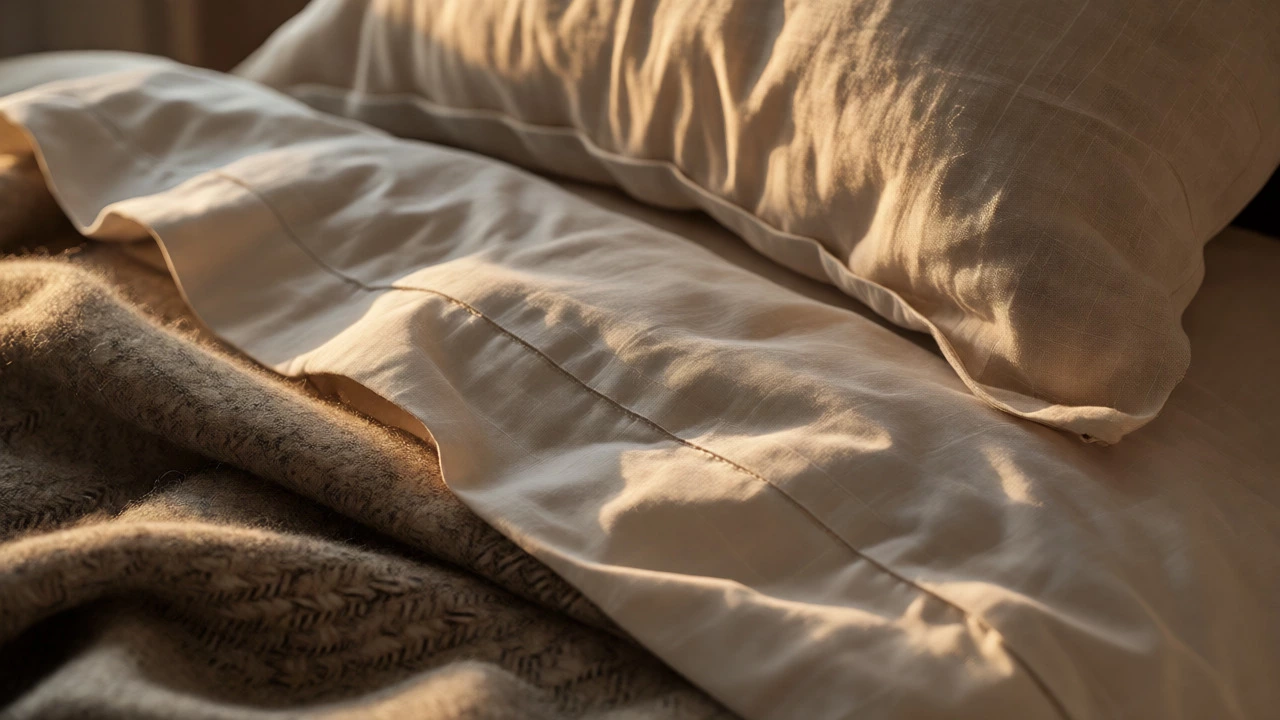
For Product Descriptions: Instead of: "This is nice bedding." Try: "Crafted from organic cotton, this bedding set offers breathability and durability for year-round comfort."
For Cleaning Advice: Instead of: "Wash your beddings every week." Try: "To maintain hygiene, wash your bedding weekly in hot water to eliminate dust mites."
For Styling Tips: Instead of: "Add more beddings for style." Try: "Layer your bedding with textured throws and contrasting pillow shams to add depth to the room."
Notice how adding specificity makes the advice actionable. "More bedding" is vague. "Textured throws" is concrete.
Common Pitfalls to Avoid
One major mistake is conflating bedding with furniture. People often say, "I’m redecorating my bedroom, so I need new beds and bedding." While technically okay, it’s redundant if you mean the whole setup. Better phrasing: "I’m refreshing my bedroom with a new headboard and updated bedding." This separates the structural element (headboard) from the soft goods (bedding).
Another pitfall is overusing the word. If you are writing a long article, don’t repeat "bedding" in every sentence. Use synonyms strategically. Alternate with "textiles," "fabrics," "covers," or specific item names like "duvet" or "sheet set." This keeps the reader engaged and prevents the text from feeling repetitive.
Finally, beware of brand-specific jargon. Some brands sell "bedding bundles" that include everything from the mattress protector to the throw blanket. Read the fine print. Sometimes, what is marketed as "complete bedding" excludes the actual mattress or the pillows. Knowing the exact contents helps you use the word accurately in comparisons.
Is bedding the same as linens?
Not exactly. Bedding refers specifically to items used on the bed, such as sheets, duvets, and pillowcases. Linens is a broader historical term that originally referred to fabrics made from flax (linen) but now generally includes all household textiles, including tablecloths and bath towels. While there is overlap, bedding is a subset of linens.
Can I say 'I bought three beddings'?
No, that is grammatically incorrect. Bedding is an uncountable noun. You should say "I bought three sets of bedding" or "I bought three pieces of bedding." Treating it as a plural countable noun sounds unnatural to native speakers.
Does bedding include the mattress?
Generally, no. Bedding refers to the removable textiles that cover the bed. The mattress is considered part of the bed frame or furniture structure. However, some marketing bundles may loosely include mattress protectors under the "bedding" category, but the mattress itself is distinct.
What is the difference between a duvet and bedding?
A duvet is a specific item-a thick, soft quilt filled with feathers or synthetic fibers. Bedding is the collective term for all bed covers, including the duvet, the duvet cover, sheets, and pillowcases. So, a duvet is a type of bedding, but bedding is not just a duvet.
How often should I replace my bedding?
Experts recommend replacing sheets every 1-2 years and duvets every 5-7 years, depending on wear and tear. High-quality cotton bedding lasts longer than synthetic blends. Regular washing extends life, but fabric degradation eventually affects comfort and hygiene.