Bathroom Luxury Potential Calculator
Answer these quick questions to see how close you are to a high-end hotel vibe and where to start spending.
Your Luxury Potential Score
Personalized Action Plan
You walk into a high-end hotel bathroom and immediately feel that sense of calm, order, and subtle indulgence. The air smells crisp, the surfaces gleam without being sterile, and every item feels intentional. Now, look at your own bathroom. Maybe it’s cramped, maybe the grout is tired, or perhaps you’re just staring at a builder-grade fixture that screams "rental." You don’t need a ten-thousand-dollar renovation to get that hotel vibe. You need strategy. Most people think expensive means new tiles or custom cabinetry. It doesn't. It means lighting, texture, and removing visual noise.
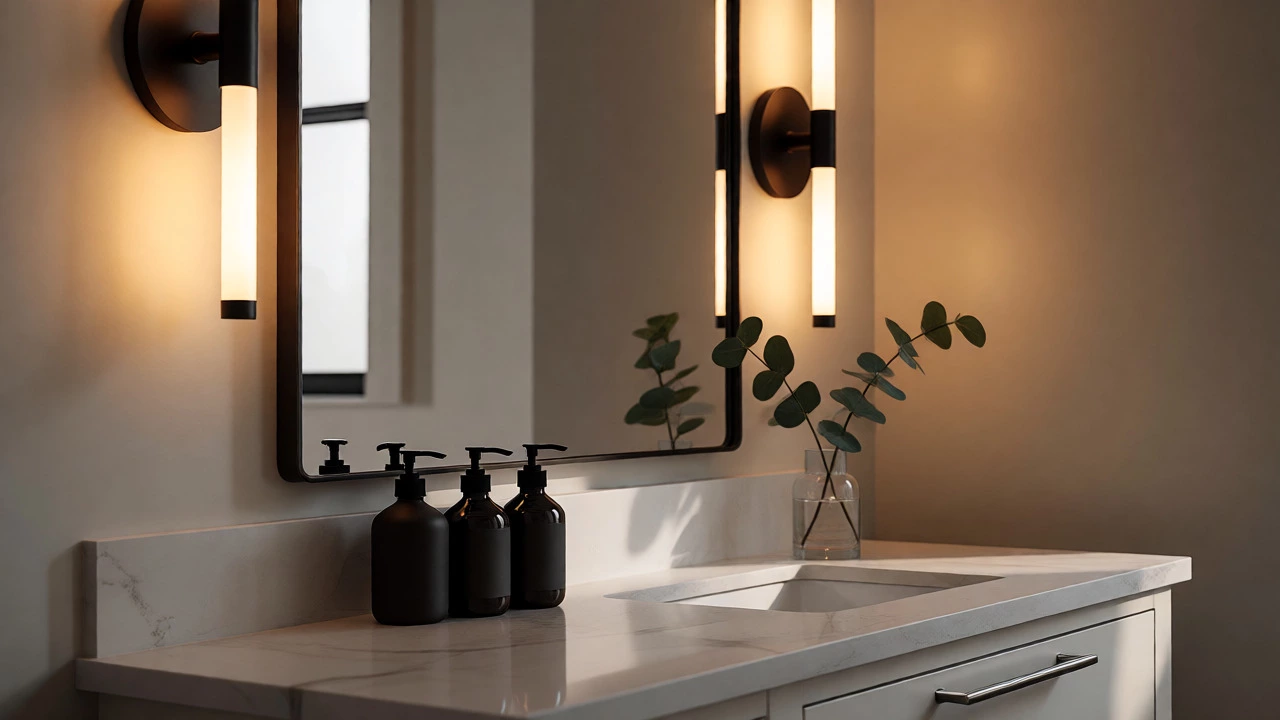
Here is the truth: luxury in a small space is about restraint and quality touches, not quantity. A $20 soap dispenser looks cheap if it’s plastic with a peeling label. That same $20 spent on a matte black ceramic pump bottle transforms the sink area. This guide breaks down exactly how to hack the perception of value using simple changes that cost less than a night out for two.
Lighting Is the Biggest Cheat Code
If you take one piece of advice from this article, let it be this: change your bulbs before you change your fixtures. Harsh, cool-white fluorescent lighting makes skin look gray and tiles look dingy. Warm light creates depth and softness. But it’s not just about color temperature; it’s about layering. A single overhead light flattens a room. To make a bathroom look expensive, you need ambient, task, and accent lighting.
Start by swapping out any exposed bulbs for warm white LEDs (2700K-3000K). If you have vanity lights, try installing sconces instead of a single bar over the mirror. Sconces cast light across the face rather than creating shadows under the eyes, which is why they are standard in professional makeup rooms. If wiring new sconces is too much hassle, plug-in wall sconces are a game-changer. They attach directly to the outlet behind the mirror and require zero electrician visits. Suddenly, your builder-grade mirror looks like part of a designed suite.
- Dimmer Switches: Install a smart bulb or a physical dimmer. Being able to lower the lights at night signals relaxation, a key component of the "spa" feeling.
- Glass Fixtures: Replace opaque plastic shades with clear glass or brass-finished metal. Light passes through glass differently, creating softer reflections.
- Mirror Lighting: Backlit mirrors are popular but can look dated if poorly executed. Front-lit LED strips integrated into the frame offer a cleaner, more modern luxury aesthetic.
Hardware Swaps: The Fastest ROI
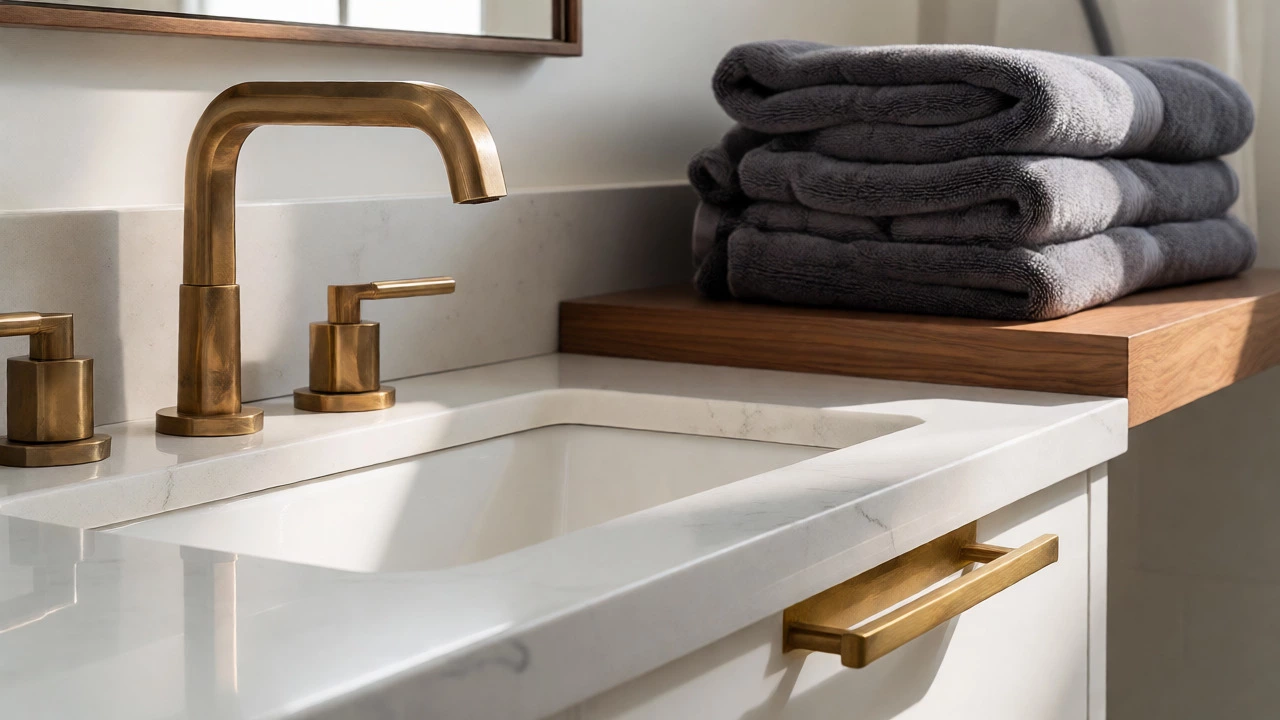
Cabinets and vanities are often where budgets go to die. Replacing a whole vanity costs hundreds, plus plumbing labor. But replacing the hardware? That’s an hour-long DIY project with massive impact. Builder-grade bathrooms usually come with shiny chrome handles that collect fingerprints and look generic. Switching to matte black, brushed nickel, or unlacquered brass instantly updates the style.
Why does this work? Because our brains associate specific finishes with craftsmanship. Chrome is associated with mass production. Matte black or brushed gold suggests curated design choices. When you swap cabinet pulls, faucet handles, and towel bars, you unify the visual language of the room. Ensure all metal finishes match or intentionally complement each other. Mixing too many metals (chrome, gold, silver, bronze) in a small space creates visual clutter, which reads as "cheap" rather than "eclectic."
| Finish Type | Aesthetic Vibe | Maintenance Level | Budget Impact |
|---|---|---|---|
| Polished Chrome | Traditional, Mass-Produced | High (shows water spots) | Low Cost |
| Matte Black | Modern, Bold, Industrial | Medium (shows dust/lint) | Low-Medium Cost |
| Brushed Nickel | Classic, Timeless | Low (hides fingerprints) | Medium Cost |
| Unlacquered Brass | Luxury, Patina Development | Medium (requires care) | Medium-High Cost |
The Power of Decanting and Uniformity
Look at your shower shelf. Do you see bottles of shampoo with neon labels, conditioner with cartoon characters, and body wash in weird shapes? This visual chaos kills the expensive vibe. Luxury spaces rely on uniformity. You don’t need to buy matching sets from a boutique store. You just need to decant your products into identical dispensers.
Buy four to six matching bottles-ceramic, amber glass, or matte plastic-and fill them with your actual products. Label them simply with waterproof tags or elegant typography stickers. This trick works because it removes brand advertising from your sightline. When you remove logos, the eye focuses on the form and material of the container, which looks far more sophisticated. It also encourages you to use up products faster, saving money in the long run.
Apply this logic to the rest of the bathroom. Throw away mismatched toothbrush holders. Get rid of the plastic cup holding cotton swabs. Use a small glass jar or a wooden bowl instead. Every item should serve a purpose or bring joy; anything else is clutter waiting to happen.
Elevate Textiles and Soft Goods
Your towels are likely the most touched item in the room, yet we rarely upgrade them until they fall apart. Thin, scratchy towels signal budget constraints. Plush, heavy cotton towels signal comfort. You don’t need Egyptian cotton priced at $50 per hand towel. Look for towels with a GSM (grams per square meter) between 600 and 800. Anything below 400 feels thin; anything above 900 takes forever to dry.
Color matters here too. White is classic but shows dirt quickly. Charcoal, sage green, or navy blue add depth and hide wear better. Fold your towels neatly rather than stuffing them into a hamper. If you have open shelving, stack towels horizontally for a spa-like appearance. If you hang them, ensure they are fully unfolded and straightened. Wrinkled towels look neglected, no matter how expensive they were.
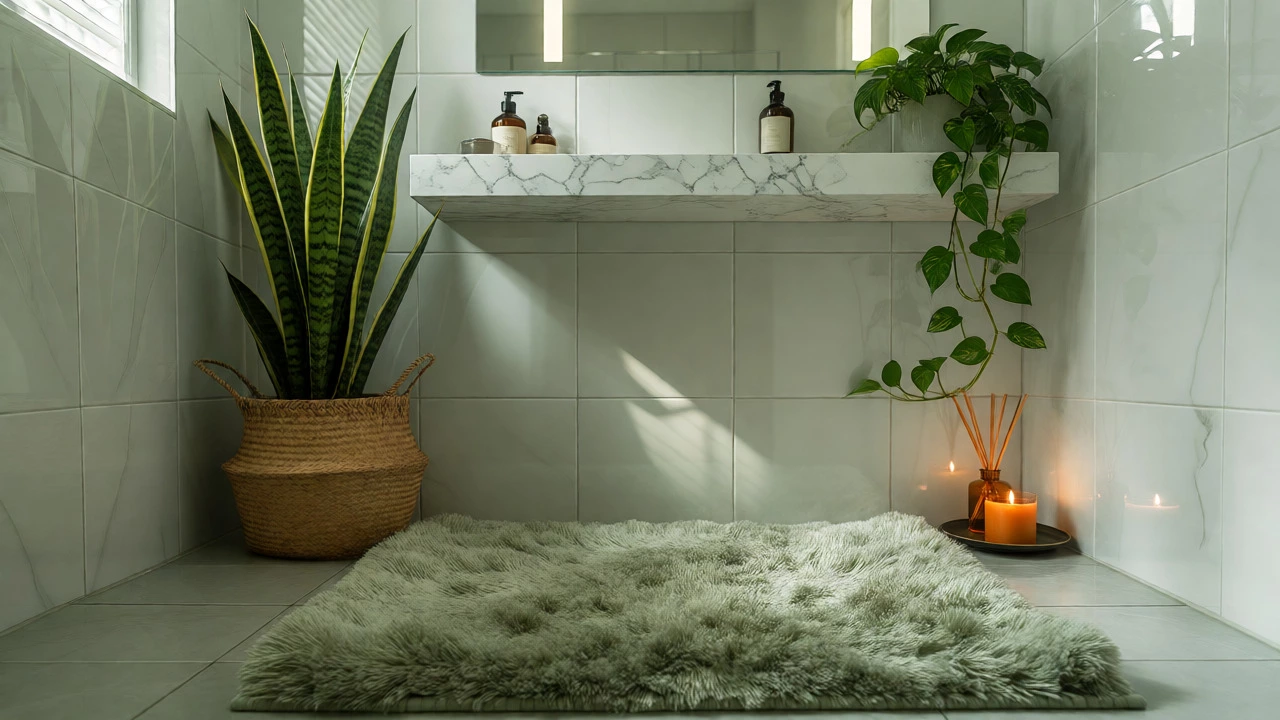
Don’t forget the bath mat. Swap out flat, rubber-backed mats for plush shag rugs or woven natural fiber options. A thick rug adds acoustic dampening, making the room quieter and more serene. Silence is a hidden luxury feature in hard-surfaced rooms.
Add Life with Plants and Greenery
Nothing makes a sterile tile box feel alive quite like a plant. Biophilic design-the concept of connecting with nature-is linked to reduced stress and perceived higher value in interior spaces. Bathrooms are humid and often have low light, which sounds tough for plants, but several varieties thrive there.
Snake plants (Sansevieria) are nearly indestructible and tolerate low light. Pothos vines love humidity and can trail beautifully off a shelf. If you lack windows, consider high-quality faux plants, but choose realistic ones with weighted bases so they don’t tip over. Place a large potted plant in a corner to break up right angles, or put a small succulent on the windowsill. The organic shape contrasts with the rigid geometry of tiles and fixtures, adding visual interest without costing much.
Declutter and Define Zones
Expensive bathrooms look spacious, even when they aren’t. This is achieved through decluttering. Countertops should be almost bare. If you have daily essentials like toothpaste and mouthwash, store them in a drawer or a stylish tray. A tray acts as a visual anchor, grouping items together so they read as one object rather than five separate ones.
Use vertical space wisely. Floating shelves made of wood or marble-look laminate add storage without eating up floor area. Keep only what you use weekly on these shelves. Everything else goes in cabinets. Visual noise is the enemy of luxury. If you can see your laundry basket, it’s not hidden enough. Consider a lidded hamper that matches your decor scheme.
Small Details That Matter
Scent is powerful. A musty bathroom ruins the experience regardless of how nice the tiles are. Use a reed diffuser or an essential oil burner with eucalyptus or cedarwood scents. These aromas are associated with spas and cleanliness. Avoid overly sweet floral scents, which can smell artificial.
Mirrors are another quick win. If your current mirror has a bulky, outdated frame, paint it. Gold leaf kits or metallic spray paints can transform a plain wood frame into a statement piece. Alternatively, lean a large framed mirror against the wall instead of mounting it. This casual placement adds character and makes the room feel larger by reflecting more angles.
Finally, check your grout. Cleaning grout with a baking soda paste and a stiff brush can restore brightness. If it’s stained beyond repair, use a grout pen to recolor it white or grey. Fresh grout lines define the tiles and make the whole surface look newly installed.
What is the cheapest way to make a bathroom look expensive?
Changing lighting bulbs to warm white (2700K-3000K) and swapping out hardware (handles, faucets) for matte black or brushed nickel finishes offers the highest return on investment. These changes alter the mood and perceived quality without requiring structural renovations.
Do I need to replace my vanity to look luxurious?
No. Painting the vanity cabinet, replacing the countertop with a peel-and-stick stone veneer, or updating the hardware can dramatically change its appearance. Often, cleaning the existing surface thoroughly and applying a fresh coat of semi-gloss paint is sufficient to eliminate the 'builder-grade' look.
How do I hide clutter in a small bathroom?
Use decorative baskets, closed cabinets, and trays. Group similar items together on a tray to create a unified look. Store daily toiletries in drawers or behind cabinet doors, keeping countertops nearly empty except for one or two decorative elements like a plant or a candle.
Are expensive towels worth it for a luxury look?
You don't need ultra-expensive towels, but you should avoid thin, low-GSM options. Mid-range towels with a GSM of 600-800 provide the plush feel associated with luxury hotels. Focus on neutral colors and proper folding/hanging techniques to enhance their appearance.
Can plants really survive in a windowless bathroom?
Yes, certain plants like Snake Plants, ZZ Plants, and Pothos thrive in low-light, high-humidity environments typical of windowless bathrooms. If natural light is completely absent, rotate the plant to a brighter spot periodically or use a small grow light.