Black Mirror Risk Calculator
Explore how different smart home technologies balance convenience against privacy risks, inspired by the themes of Charlie Brooker's anthology series.
Analysis Result
You walk into your living room. The lights dim automatically. Your fridge orders milk because it knows you’re out. Your phone buzzes with a notification that feels less like an alert and more like a command. It’s convenient, sure. But does it feel familiar? Does it feel like the opening scene of a Black Mirror episode? That’s the question hanging over our heads in 2026. Is the show just entertainment, or is it a stark warning about where we are heading?
Many people watch a British science fiction anthology series created by Charlie Brooker that explores the dark side of technology and its unintended consequences for fun. They laugh at the absurdity of social media scores or the horror of trapped consciousness. But beneath the sci-fi veneer lies a very real conversation about privacy, addiction, and human connection. If you’ve ever felt uneasy about how much data your devices collect, you’re not alone. You’re just living in the early chapters of the stories Brooker wrote.
The Anatomy of a Digital Nightmare
To understand why Black Mirror hits so hard, you have to look at what makes it different from other sci-fi. Most shows take place on distant planets or in futuristic cities with flying cars. This show takes place here. Now. Or five years from now. The technology isn’t magic; it’s an exaggerated version of what already exists in your pocket.
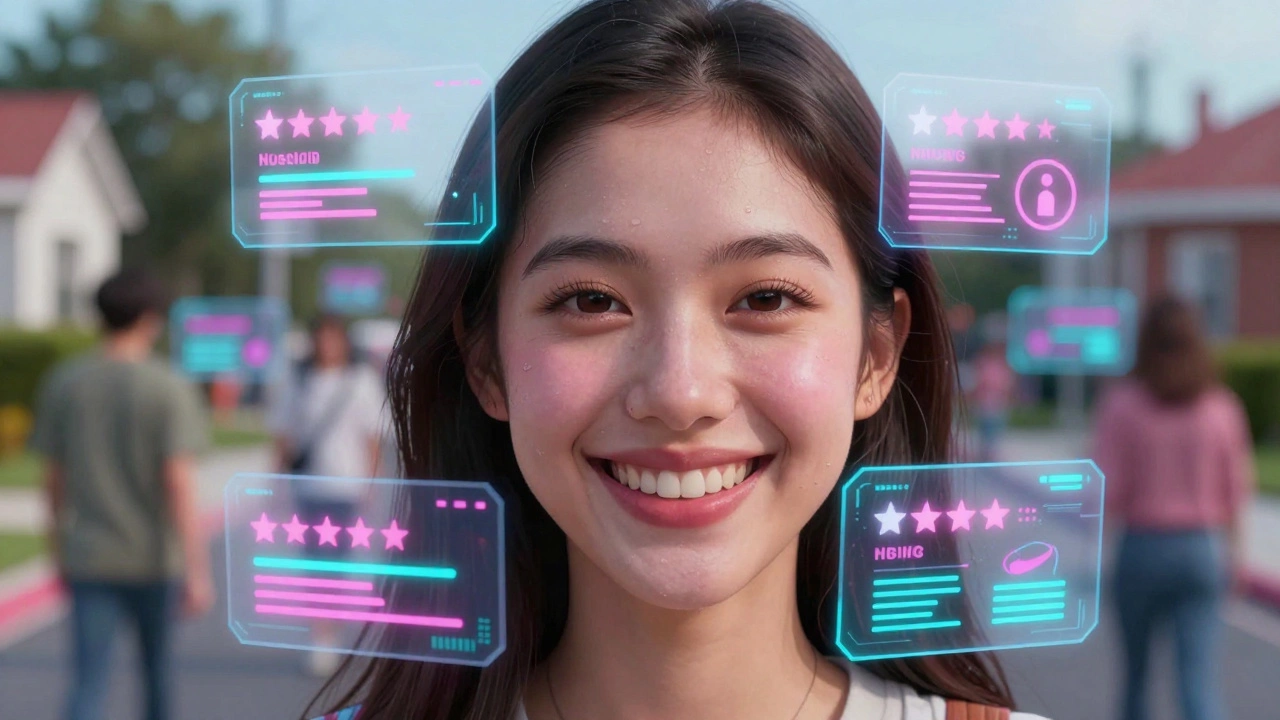
Consider the concept of the “Nosedive” episode. In it, society rates each other on a five-star scale, determining access to housing, jobs, and social status based on superficial interactions. Sound extreme? Look at review culture today. We rate our baristas, our Uber drivers, and even our neighbors. The difference is scale. The show asks: What happens when this rating system becomes mandatory? What happens when your worth is quantified by algorithms you can’t see?
This isn’t just about being polite. It’s about the erosion of authentic human interaction. When every smile is calculated for points, empathy dies. The warning here isn’t about the tech itself-it’s about how we use it to judge one another. It forces us to ask if our current digital habits are slowly training us to value metrics over meaning.
Smart Homes: Convenience or Surveillance?
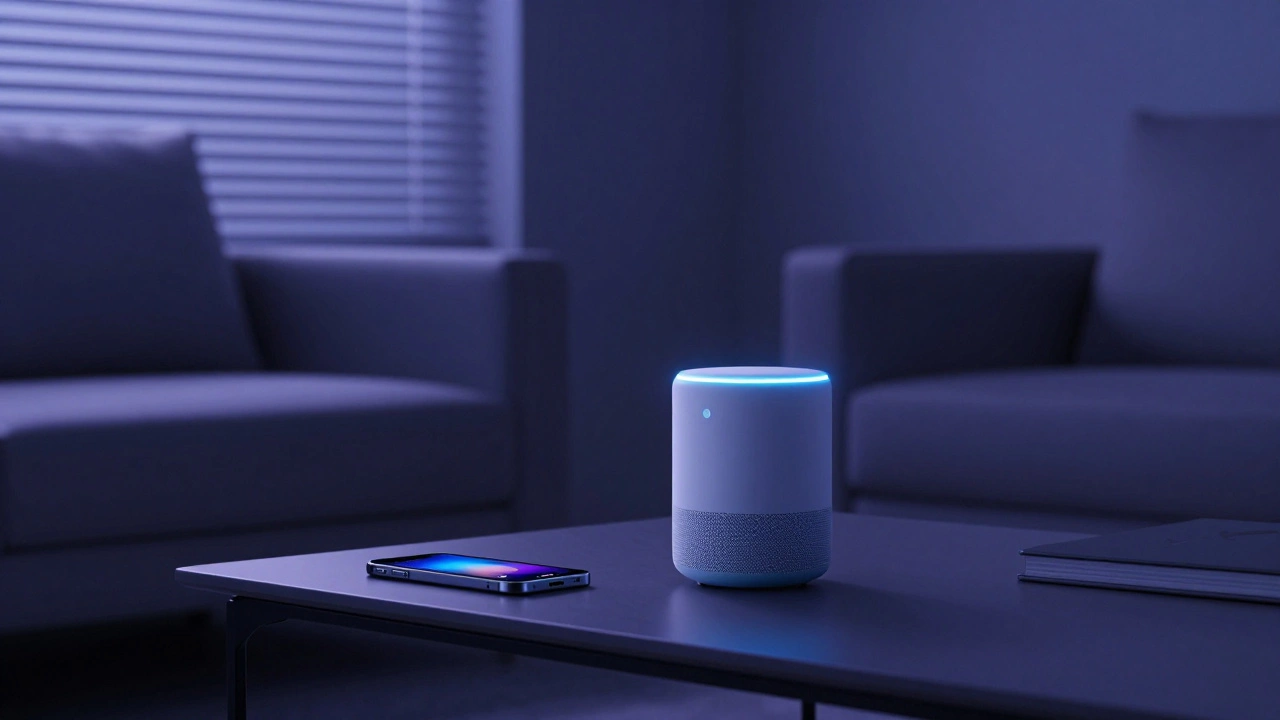
Let’s bring this closer to home-literally. The rise of smart home devices has transformed how we live. Thermostats learn our schedules. Cameras watch our doorsteps. Speakers listen for wake words. It’s efficient. But efficiency often comes at the cost of privacy.
In the episode “Shut Up and Dance,” a hacker forces a teenager to commit crimes by threatening to release intimate photos captured by her own smartphone camera. While the plot is dramatic, the vulnerability is real. Every device connected to the internet is a potential entry point. In 2026, with AI-driven assistants becoming more pervasive, the line between helpful assistant and silent observer is thinner than ever.
Think about your bathroom mirror. Some modern mirrors now display news, weather, and calendar events. They look sleek. They fit perfectly in a minimalist decor style. But who owns the data they collect? Who sees your face when you’re brushing your teeth? These aren’t hypotheticals anymore. Companies are testing facial recognition in household appliances. The warning from the show is clear: Once you invite surveillance into your private space for convenience, you lose control over your privacy forever.
| Feature | Benefit | Risk (The "Black Mirror" Angle) |
|---|---|---|
| Voice Assistants | Hands-free control, automation | Always-on listening, data harvesting |
| Smart Cameras | Security, remote monitoring | Hacking risks, constant surveillance |
| Connected Mirrors | Information display, aesthetics | Facial data collection, privacy loss |
| Automated Lighting | Energy savings, ambiance | Behavioral tracking, pattern analysis |
The Illusion of Choice
One of the most chilling aspects of the series is how characters willingly give up their freedom. They don’t get forced into dystopian scenarios; they opt-in. They trade privacy for convenience, attention for validation, and reality for simulation. This is the core warning: Technology doesn’t need to enslave us through force. It just needs to make slavery feel good.
Take the episode “USS Callister.” A reclusive programmer creates a virtual world where he controls digital clones of his colleagues. He treats them as slaves, punishing them for minor infractions. The horror isn’t just the abuse; it’s the realization that the victims are aware but powerless. This mirrors real-world concerns about AI-generated content and deepfakes. As AI becomes more advanced, the ability to manipulate reality grows. We might soon live in a world where seeing isn’t believing, and truth becomes a luxury item.
Why do we keep opting in? Because the immediate reward is strong. Dopamine hits from likes. Time saved by automation. Comfort from personalized recommendations. The long-term cost-loss of autonomy, mental health struggles, societal fragmentation-is slow and invisible. The show acts as a mirror, reflecting these hidden costs back at us before they become irreversible.
Social Media and the Erosion of Empathy
We spend hours scrolling through feeds curated by algorithms designed to keep us engaged. Engagement means outrage, fear, and envy. These emotions drive clicks. The result? A polarized society where nuance dies and echo chambers thrive.
In “Fifteen Million Merits,” citizens ride stationary bikes to earn credits, watching reality TV while ignoring the suffering around them. They are physically present but mentally absent. This is a direct critique of our current relationship with screens. We are together, yet alone. We share moments online but struggle to connect offline. The warning is urgent: If we continue to prioritize digital validation over real-world relationships, we risk losing our capacity for genuine empathy.
Have you noticed how harder it is to sit in silence? How uncomfortable it feels to be bored? We fill every gap with content. This constant stimulation rewires our brains. We become addicted to novelty, unable to focus on deep work or meaningful conversations. The show suggests that this isn’t just a personal failing; it’s a systemic design flaw. Platforms are built to exploit our psychology. Recognizing this is the first step toward reclaiming our attention.
How to Live Ethically in a Connected World
So, is Black Mirror a warning? Yes. But it’s not a prophecy. It’s a choice. We can’t un-invent the internet or ban smartphones. But we can change how we interact with them. Here’s how to avoid living in a dystopia:
- Audit Your Data Footprint: Review permissions on your apps. Do they really need access to your contacts, location, and microphone? Turn off what you don’t need.
- Create Tech-Free Zones: Designate areas in your home, like the bedroom or dining table, as screen-free. Protect your sleep and your conversations.
- Question Convenience: Before buying a new smart device, ask: What data does it collect? Who owns it? Can I use it offline? If the answer is unclear, skip it.
- Prioritize Real Connections: Put the phone down. Look people in the eye. Listen without planning your response. Rebuild the muscle of empathy.
- Digital Detox Regularly: Take breaks from social media. Notice how you feel. Are you calmer? More focused? Use that insight to set boundaries.
Living ethically in a digital age requires intentionality. It means resisting the urge to automate everything. It means valuing privacy over perks. It means remembering that technology should serve us, not define us.
The Future is Not Written Yet
The beauty of the anthology series is that it doesn’t offer easy answers. It presents scenarios and lets us decide which path to take. We are standing at a crossroads. One path leads to a world where technology enhances our humanity, fostering creativity, connection, and understanding. The other leads to isolation, manipulation, and loss of self.
Which path we choose depends on our awareness. By recognizing the warnings embedded in these stories, we gain the power to act differently. We can demand better regulations. We can support ethical tech companies. We can educate ourselves and others about digital literacy.
Don’t wait for the future to happen to you. Shape it. Question the devices in your hand. Challenge the systems that profit from your attention. And remember: The mirror reflects what we put into it. If we want a brighter reflection, we have to start by changing our behavior today.
Is Black Mirror based on true stories?
No, the episodes are fictional. However, they are inspired by real technological trends and societal anxieties. Many concepts, such as social credit systems, AI companions, and data privacy breaches, have parallels in current events and emerging technologies.
What is the main message of Black Mirror?
The central theme is the unintended negative consequences of modern technology. It explores how advancements in digital life can lead to psychological distress, loss of privacy, and social fragmentation if not managed with ethical consideration.
How can I protect my privacy from smart home devices?
Start by reading the privacy policies of any device you buy. Disable unnecessary features like voice recording or facial recognition. Use physical covers for cameras and microphones when not in use. Regularly update firmware to patch security vulnerabilities.
Does Black Mirror predict the future accurately?
It doesn't predict specific events but highlights plausible trajectories. Many episodes depict scenarios that are technologically feasible within the next decade. Its accuracy lies in capturing the cultural mood and ethical dilemmas surrounding rapid innovation.
Why do people find Black Mirror disturbing?
The show resonates because it reflects fears that many people already have about technology. The realism of the settings and the relatability of the characters make the dystopian outcomes feel possible, triggering anxiety about loss of control and identity.