Budget Storage Cost Estimator
Select the storage solutions you are considering to estimate total costs.
Tension Rods
No ToolsGreat for closets and cabinets. Creates hidden compartments behind doors.
Pegboards
Drilling Req.Ideal for kitchens and garages. Highly customizable tool organizer.
Command Hooks
Renter FriendlyPerfect for bathrooms and entryways. No damage to walls.
Dollar Store Bins
Light DutySmall bins and dividers for drawer organization. Best for lightweight items.
Cinder Block Shelf
IndustrialSturdy shelving using blocks and planks. No power tools required.
DIY Plywood Cubes
CarpentryCustom modular shelving units. Requires saw and screws.
Estimated Total
- Select items above to see details
Repurposing items you already own is the cheapest option. Try cardboard boxes or shoeboxes before buying new supplies.
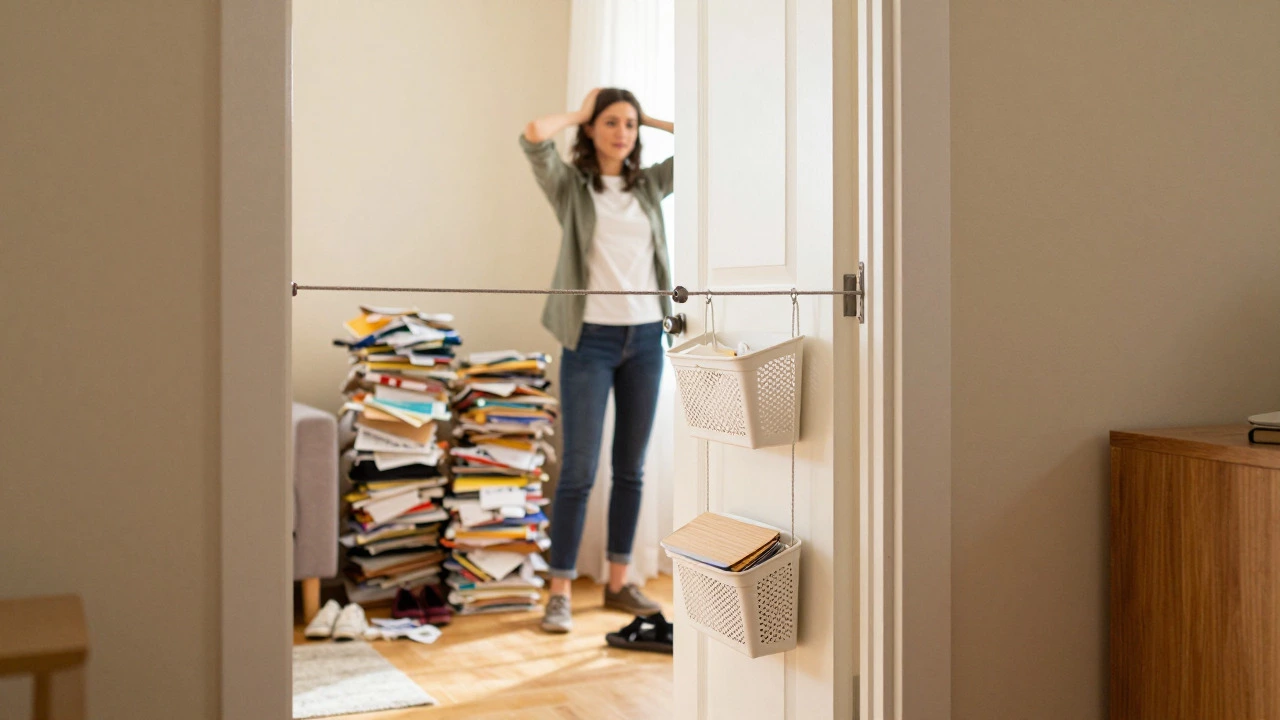
Walking into a cluttered room feels like walking into a storm. You know everything has a place, but that place is currently buried under piles of mail, shoes, or half-finished projects. The instinct is often to run to the store and buy expensive plastic bins or sleek wooden shelving units. But here is the truth: you do not need a credit card limit increase to get organized. In fact, some of the most effective budget storage solutions cost less than your morning coffee.
I have spent years testing every hack from Pinterest to high-end organizational stores in Wellington. The result? The best storage isn't bought; it's built, borrowed, or repurposed. This guide breaks down exactly how to reclaim your space without breaking the bank, focusing on practical steps you can take this weekend.
The Power of Vertical Space
We tend to think about storage horizontally-drawers, shelves, boxes. But walls are free real estate. If your floor is full, look up. Installing simple tension rods between studs can create hidden compartments behind doors or inside closets for hanging flat items like cutting boards, vacuum attachments, or even lightweight baskets.
| Method | Cost Estimate | Best For | Difficulty |
|---|---|---|---|
| Tension Rods | $5 - $10 | Closets, cabinets, behind doors | Easy (No tools) |
| Pegboards | $15 - $30 | Kitchens, garages, workshops | Medium (Drilling required) |
| Command Hooks | $10 - $20 | Bathrooms, entryways, renters | Easy (No damage) |
Pegboards are another unsung hero. A basic sheet of pegboard costs around $15 at any hardware store. With a few hooks, you can turn a blank wall in your kitchen or garage into a highly customizable tool organizer. It keeps items visible and accessible, which stops the "out of sight, out of mind" clutter cycle. Plus, if you change your mind about the layout, you just move the hooks. No holes to patch, no money wasted.
Repurposing What You Already Own
Before you buy anything, audit what you already have. We live in a throwaway culture, but many discarded items are perfect storage vessels. Cardboard boxes, for instance, are underrated. While they might not look pretty in the living room, they are excellent for temporary sorting or for lining drawers to protect delicate items. Cover them with wrapping paper or fabric scraps for a custom look.
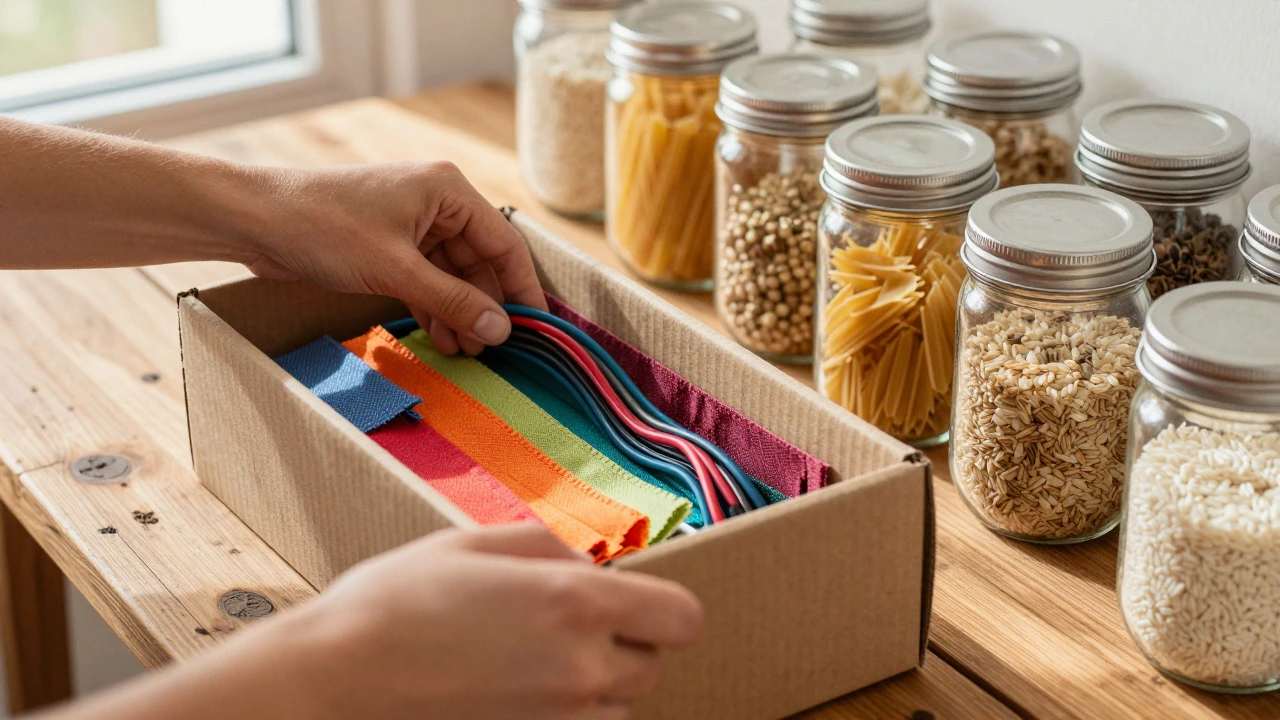
Old shoeboxes are ideal for organizing cables, jewelry, or craft supplies. They come with lids, which keeps dust out, and their uniform size makes them stackable. Clean them out, label them clearly with a marker or tape, and you have a free filing system. Similarly, mason jars or glass food containers work wonders in the pantry. Instead of buying specialized spice racks, use uniform jars to store dry goods. Label the lids with a permanent marker so you can see contents from above when stacked.
Dollar Store and Thrift Shop Goldmines
If you must buy new items, skip the big-box retailers. Dollar stores and thrift shops are treasure troves for budget-conscious organizers. At dollar stores, you can find small bins, trays, and dividers for literally one dollar each. These are perfect for drawer organization. Use a small tray for socks, another for underwear, and a third for accessories. It creates structure without the premium price tag of branded organizers.
Thrift stores offer something even better: unique, sturdy furniture. Look for old dressers, nightstands, or bookshelves. Often, these items just need a coat of paint and new hardware to look brand new. A vintage dresser can serve as a media console with ample drawer space for remotes and cables. An old bookshelf can be used in the bathroom for towels and toiletries. The key is to see past the current condition and imagine the potential. Sanding down rough edges and applying a fresh color can transform a $10 find into a statement piece.
DIY Shelving and Cubbies
If you have basic carpentry skills, building your own storage is the ultimate cost-saver. You don't need complex plans. Simple cube shelving units can be made from plywood and wood screws. Cut four squares of plywood, assemble them into a box, and repeat. Stack the boxes, screw them together, and you have a modular shelving unit that fits your exact space needs. This approach allows you to customize dimensions, unlike off-the-shelf units that might leave awkward gaps.
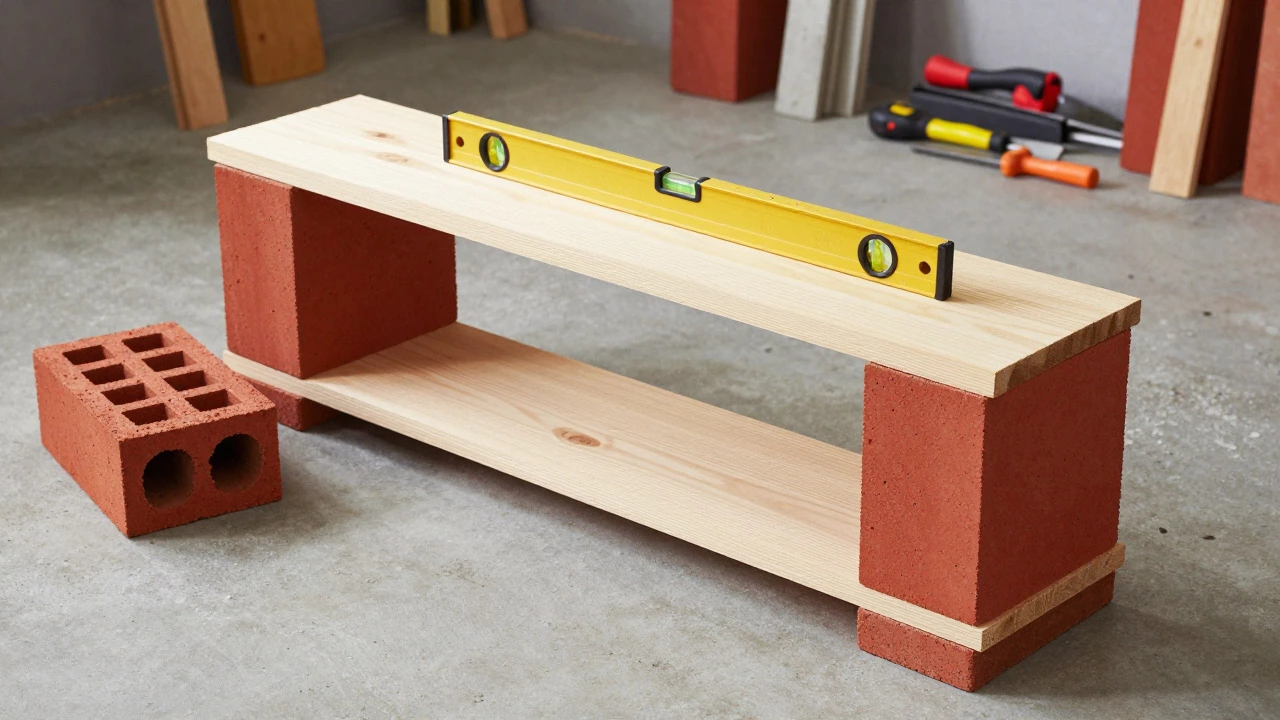
For those who prefer not to saw, consider using cinder blocks and wooden planks. This industrial-style shelf is incredibly sturdy and requires no tools other than a level. Place two cinder blocks on the floor, set a plank across them, and repeat for the next level. It’s perfect for garages, basements, or even outdoor patios. The materials are cheap, widely available, and the design is timeless.
Organizing Small Spaces
Living in a small apartment or dealing with tiny rooms requires creative thinking. Under-bed storage is essential. If your bed doesn’t have built-in drawers, use low-profile plastic bins or vacuum-sealed bags for seasonal clothing. This frees up closet space for everyday wear. Another trick is to utilize the back of doors. Over-the-door organizers are not just for shoes. Hang one in the kitchen for spices, in the bathroom for toiletries, or in the office for stationery. It utilizes dead space effectively.
Magnetic strips are also fantastic for small spaces. Attach a magnetic strip to the side of a cabinet or inside a metal door frame. Then, attach small containers or hooks to hold knives, scissors, or even keys. It keeps frequently used items within reach while keeping countertops clear. This method is particularly useful in kitchens where counter space is at a premium.
Avoiding Common Pitfalls
One mistake people make is buying storage before decluttering. If you organize clutter, you still have clutter, just neatly arranged. Always purge first. Donate, sell, or discard items you haven’t used in the last year. Only then should you invest in storage solutions for the remaining essentials. This ensures you’re only paying for space you actually need.
Another pitfall is overcomplicating systems. Complex labeling systems or multi-step retrieval processes fail because they are inconvenient. Keep it simple. Items should be easy to put away and easy to find. If a system takes more than ten seconds to maintain, you will abandon it. Stick to clear containers where possible, so you can see contents without opening them. Transparency reduces friction and encourages consistent tidiness.
Next Steps for Your Home
Start small. Pick one drawer, one shelf, or one corner. Apply these principles: verticalize, repurpose, and simplify. Once you see the success in that small area, momentum will build. You’ll realize that organization isn’t about spending money; it’s about making smart choices with what you have. Whether you’re in a cramped city apartment or a sprawling house, these strategies adapt to any environment. The goal is not perfection, but functionality. A functional home reduces stress and saves time, which is worth far more than any fancy organizer.
What is the cheapest way to add storage?
The cheapest way is to repurpose items you already own, such as cardboard boxes, shoeboxes, or mason jars. Using vertical space with tension rods or command hooks also costs very little but adds significant capacity.
Are dollar store organizers durable?
Dollar store organizers are generally made of thinner plastic, so they are best for light items like socks, papers, or small accessories. They may not hold heavy books or tools well, but for lightweight clutter, they are perfectly adequate and cost-effective.
Can I build my own shelves without power tools?
Yes. The cinder block and plank method requires no tools other than a level. Alternatively, you can use pre-cut lumber and hand screws for simple box shelves, though this requires more effort and precision.
How do I organize a small closet on a budget?
Use double-hanging rods to maximize vertical space for shirts and pants. Add tension rods below for folded sweaters or scarves. Utilize the back of the door for hanging organizers. Finally, use uniform hangers to save space and create a clean look.
Is it better to buy or DIY storage?
DIY is usually cheaper and allows for custom sizing, which prevents wasted space. However, if you lack tools or time, buying second-hand from thrift stores offers a middle ground with low cost and ready-to-use convenience.