Window Privacy Solution Finder
Answer a few questions to find the perfect balance of light and privacy for your space.
Solution Name
Description goes here.
Quick Wins for Privacy and Light
- Sheer Curtains: Great for soft, diffused light and daytime privacy.
- Frosted Window Film: Permanent or removable blur that lets light through but blocks views.
- Top-Down Bottom-Up Blinds: The gold standard for controlling exactly where people can see.
- Cafe Curtains: Only covers the bottom half of the window.
- Privacy Screens: External options like bamboo slats or planters.
The Magic of Sheer Fabrics
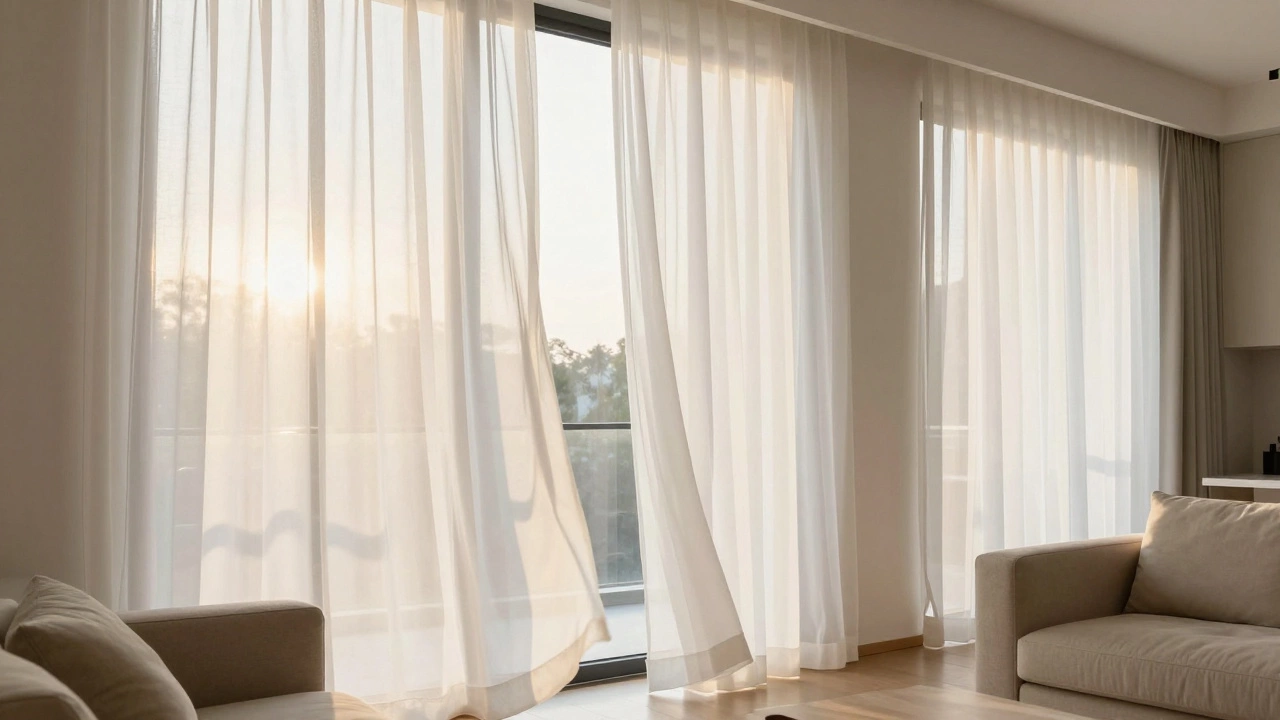
If you want a breezy, airy feel, Sheer Curtains is a lightweight window covering made from translucent fabrics like voile or lace that diffuse sunlight while obscuring a clear view from the outside. These aren't your grandmother's heavy lace curtains; modern sheers come in crisp whites and soft greys that blend into any room.
The trick here is the weave. A tighter weave blocks more of the view but lets in plenty of luminosity. For example, if you use a linen-blend sheer, you get a slightly more organic look that hides shapes better than a thin polyester. Just remember that sheers are mostly for daytime. Once the sun goes down and you flip the lights on inside, the "one-way" effect vanishes, and people can see in. To fix this, many homeowners layer them with heavier panels they can pull shut at night.
Using Window Films for a Modern Look
Not every room needs fabric. Sometimes, the best way to handle a bathroom or a street-facing window is with Frosted Glass Film is an adhesive or static-cling vinyl layer applied to glass that scatters light to create a blurred effect. This is a lifesaver for those of us in tight urban spots where the next building is practically in our backyard.
You have a few options here. Static-cling films are the way to go if you're renting because they peel off without leaving a sticky mess. If you want something fancier, look for "etched glass' style films which look like expensive sandblasted windows. One pro tip: you don't have to cover the whole pane. Applying the film only to the bottom third or half of the window allows you to keep a clear view of the sky while blocking the view of the sidewalk.
The Versatility of Top-Down Bottom-Up Blinds
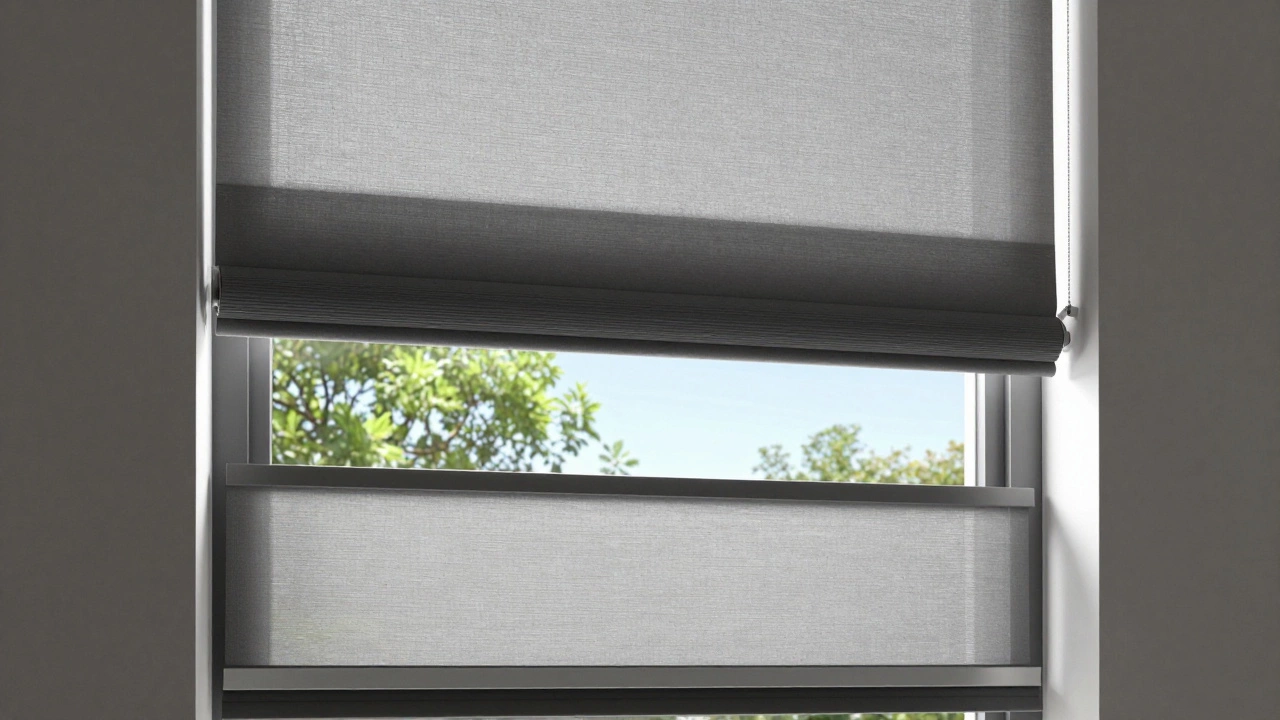
If you have the budget for new hardware, Top-Down Bottom-Up Blinds is a window treatment system that allows the blinds to be lowered from the top and raised from the bottom independently. This is hands-down the most flexible solution for privacy.
Think about it: why cover the whole window? With this setup, you can lower the top of the blind to let in a flood of sunlight and a view of the treetops, while the bottom remains closed to block the view of passersby. It's a game-changer for home offices where you need light for your Zoom calls but don't want the world seeing your messy desk. These usually come in cellular or pleated materials, which also happen to be great for keeping your heat in during winter.
| Option | Light Level | Privacy Level | Installation Effort | Best For |
|---|---|---|---|---|
| Sheer Curtains | High (Diffused) | Medium (Day only) | Low | Living Rooms |
| Frosted Film | High (Blurred) | High | Medium | Bathrooms |
| Top-Down Blinds | Customizable | High | High | Home Offices |
| Cafe Curtains | Very High | Medium | Low | Kitchens |
Going Old School with Cafe Curtains
There's a reason Cafe Curtains is a style of short window covering that only covers the lower half of a window, typically hung on a tension rod. They are incredibly practical for kitchens. You get total privacy where you're standing and prepping food, but the top half of the window remains completely open to the sky.
To make these look modern, avoid the ruffles. Go for a simple flat-panel linen in a neutral tone. Because they only cover half the window, they don't feel claustrophobic. If you're worried about a "country cottage" vibe, stick to a monochrome palette-black rods with white fabric for a sharp, clean look.

Outside-the-Box External Solutions
Sometimes the best way to fix a privacy problem isn't on the glass at all. If you have a porch or a small garden, think about the perimeter. Planting a row of tall, thin shrubs or placing a few strategically positioned planters can create a natural screen.
Alternatively, a Privacy Screen is a physical barrier, often made of wood, composite, or bamboo, installed outside the window to obstruct the view. A simple bamboo rolling blind on the exterior of your window can block the glare and the neighbors without making the inside of your room feel like a cave. This is especially effective for south-facing windows that get hit by harsh midday sun.
Avoid These Common Privacy Mistakes
One big mistake is relying on "privacy glass" that is too dark. While tinted windows block the view, they also suck the life out of a room, making it feel gloomy even at noon. Instead, look for materials that diffuse rather than block. Diffused light is the secret to a bright but private space.
Another pitfall is forgetting about the gap. If you install blinds that don't fit snugly against the frame, you'll have "light leaks" that actually act like a flashlight, highlighting exactly where the gaps are to people outside. Always measure twice and choose a mount that minimizes these gaps, especially for bedroom windows.
Can people see through sheer curtains at night?
Yes. When it's dark outside and your lights are on inside, sheers become almost transparent. To maintain privacy at night, you'll need to pair sheers with blackout curtains or blinds that you can close completely.
Does frosted window film damage the glass?
No, it doesn't damage the glass. Static-cling films use no adhesive at all, and even the adhesive ones can be removed with a bit of soap and water or a plastic scraper without scratching the surface.
Which is better for a bathroom: film or curtains?
Film is generally better for bathrooms because it's waterproof and doesn't collect moisture or mildew like fabric does. It provides 24/7 privacy without needing to be adjusted.
Are top-down bottom-up blinds expensive?
They are typically more expensive than standard blinds because the mechanism is more complex. However, they offer the most control over light and privacy, which often justifies the cost in high-traffic rooms.
What is the best fabric for daytime privacy?
Linen and cotton-poly blends in a "sheer" or "semi-sheer" weight are best. They provide enough of a blur to hide shapes while letting the maximum amount of natural light enter the room.
What to Do Next
If you're on a budget, start with frosted window film for your most exposed windows-it's cheap and instant. If you're looking to redesign a whole room, go for sheer curtains paired with a heavier set of drapes for total flexibility. For those who hate adjusting curtains every few hours, investing in top-down bottom-up blinds is the best long-term move. No matter which you choose, the goal is to stop the "fishbowl" feeling without living in the dark.