Mirror Price Fairness Checker
Check Your Mirror's Value
Select the specifications of the mirror you are looking at to see realistic retail price ranges for 2026.
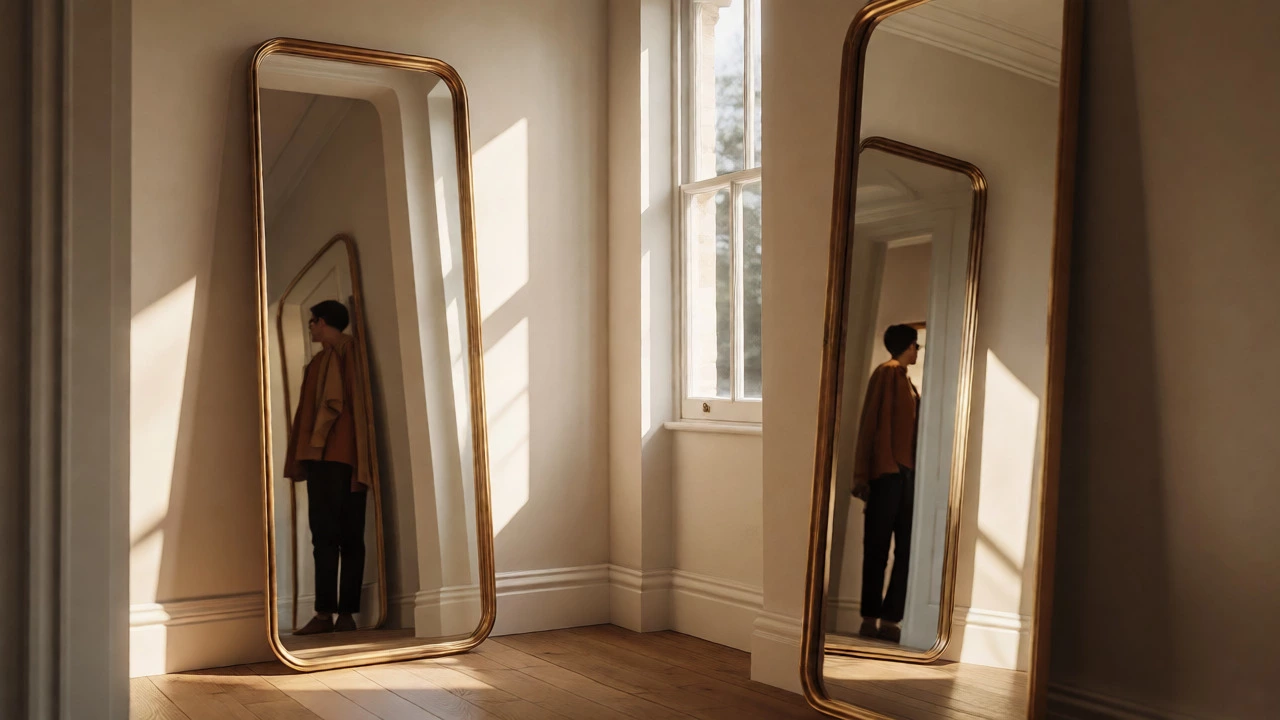
You walk into a store, see a sleek full-length mirror with a brass frame, and the price tag says $450. Then you spot an identical-looking one online for $120. What gives? Are you being ripped off, or is there a hidden difference in quality?
Mirror pricing is notoriously opaque. Unlike electronics, where specs like RAM and processor speed are standardized, mirrors rely on subjective factors: glass clarity, frame material, manufacturing origin, and brand markup. This guide breaks down exactly what you should pay for different types of mirrors in 2026, helping you avoid overpaying for hype or underbuying on quality.
The Quick Answer: What’s Fair to Pay?
Before we dissect the details, here are the realistic price ranges for standard mirrors as of late 2026. These figures reflect mid-market retail prices, excluding luxury designer brands or ultra-budget flat-pack imports.
| Mirror Type | Budget Range | Mid-Range (Sweet Spot) | Premium Range |
|---|---|---|---|
| Small Wall Mirror (<24") | $15 - $30 | $40 - $80 | $100+ |
| Medium Vanity Mirror (24"-36") | $30 - $60 | $70 - $150 | $200+ |
| Full-Length Mirror | $50 - $90 | $100 - $250 | $300 - $600+ |
| Large Statement Mirror (>40") | $100 - $200 | $250 - $500 | $600 - $1,500+ |
| Framed Floor Mirror | $80 - $150 | $160 - $350 | $400+ |
If you’re paying within these bands, you’re generally getting fair value. Below the budget range, expect warped glass or flaking backing. Above the premium range, you’re paying for design prestige, custom sizing, or rare materials.
Why Do Prices Vary So Wildly?
Two mirrors can look identical but cost ten times more apart. The difference usually lies in three areas: the glass itself, the frame construction, and the supply chain.
Glass Quality and Thickness
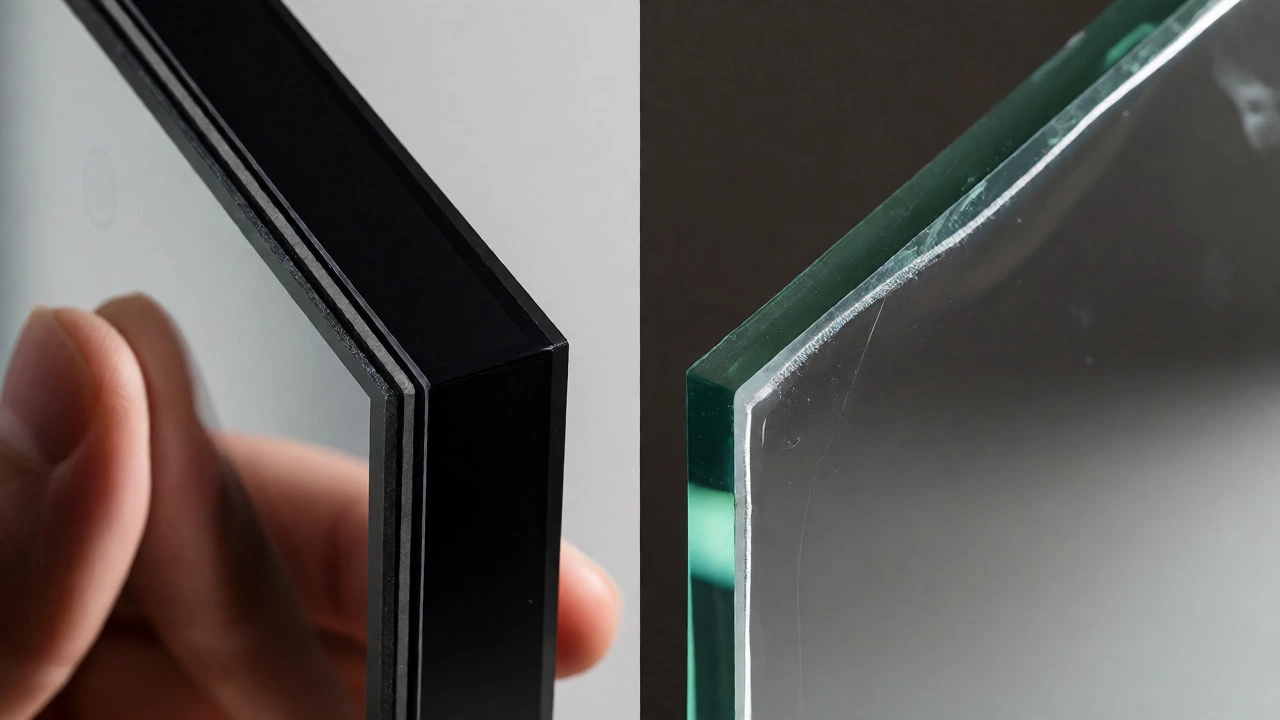
Most cheap mirrors use 3mm float glass. It’s thin, prone to warping if mounted unevenly, and often has a greenish tint due to iron content. Better mirrors use low-iron glass, which is clearer and truer to color. Premium mirrors might use 4mm or 5mm glass, which feels sturdier and reduces distortion at the edges.
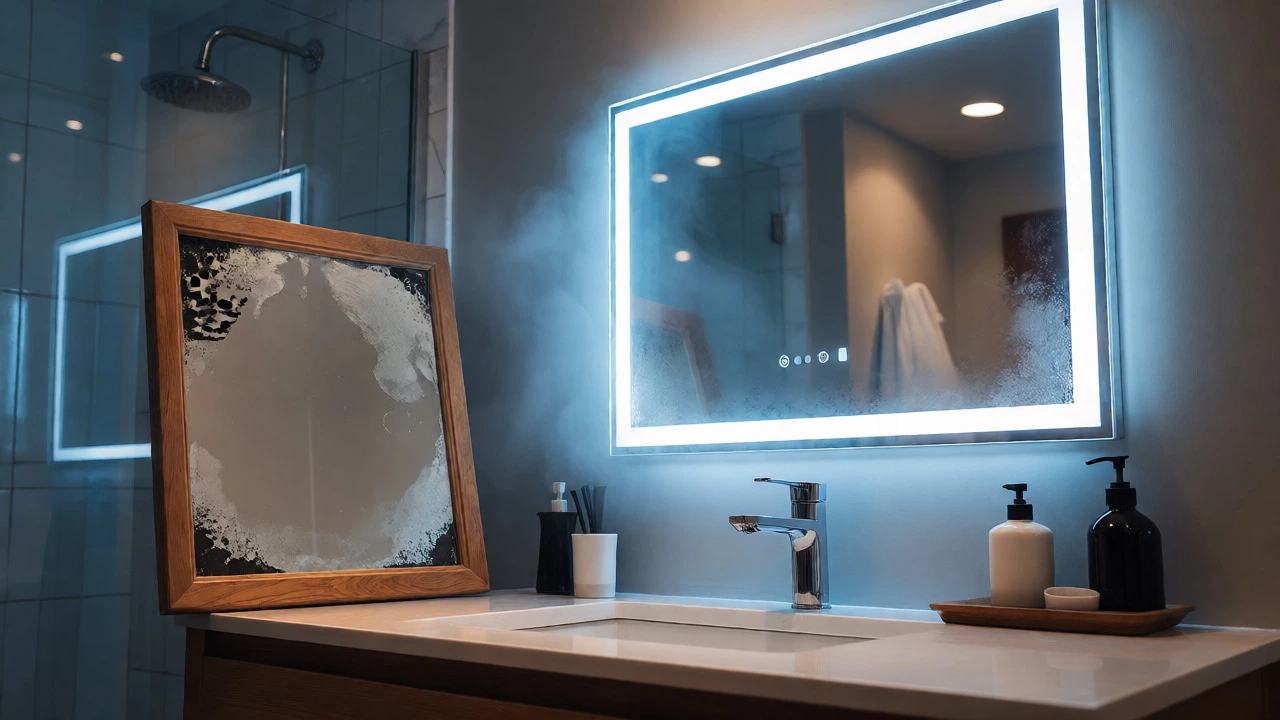
Check the back of the mirror. High-quality mirrors have a sealed, multi-layer backing that resists moisture and oxidation. Cheap ones often have exposed silvering that will eventually blacken at the corners-a process called "desilvering." If you live in a humid climate, like Wellington, this matters immensely. A $50 mirror that desilvers in two years costs more long-term than a $150 mirror that lasts a decade.
Frame Materials and Construction
The frame accounts for 40-60% of the cost in many cases. Here’s the hierarchy:
- MDF/Veneer: Common in IKEA-style furniture. Affordable ($20-$60), but sensitive to humidity. Can swell or peel.
- Solid Wood: Durable and repairable. Expect to pay $100+ for smaller frames, $200+ for large statement pieces.
- Metal (Brass, Steel, Aluminum): Modern and durable. Powder-coated steel is cheaper; solid brass is expensive. Good metal frames resist corrosion better than wood in bathrooms.
- Resin/Composite: Often used for ornate, antique-style frames. Can look cheap if poorly molded, but high-end resin casts are surprisingly detailed and weather-resistant.
Brand Markup vs. Direct-to-Consumer
Traditional retailers like Pottery Barn or Crate & Barrel add significant overhead. A mirror costing them $80 to manufacture might retail for $300. Direct-to-consumer brands (like Article or specialized online mirror sellers) cut out the middleman, offering similar quality for 30-50% less. However, you lose the ability to inspect the glass for distortions before buying.
When to Splurge and When to Save
Not all mirrors need to be investments. Here’s how to allocate your budget based on usage.
Save on Decorative Accents
If you’re buying small round mirrors for a gallery wall or entryway accents, don’t stress about premium glass. At sizes under 18 inches, minor distortions are barely noticeable. Stick to the $20-$40 range. Focus on style rather than optical perfection. Thrift stores and Facebook Marketplace are goldmines for these-often $5-$10 each.
Splurge on Functional Full-Length Mirrors
You’ll stand in front of your full-length mirror daily. Distortion here is annoying-it makes you look wider or taller than you are. Plus, these mirrors take a beating from cleaning and accidental bumps. Spend $150-$300 for a sturdy frame and clear, thick glass. Look for safety-backed glass (shatter-resistant) if you have kids or pets.
The Bathroom Exception
Bathrooms are harsh environments. Steam and humidity kill cheap mirrors. Don’t buy the cheapest option for your vanity. Look for mirrors specifically labeled "moisture-resistant" or with sealed edges. Expect to pay $100-$250 for a decent framed bathroom mirror. Unframed LED mirrors with demister pads are also worth the extra $50-$100 for functionality.
Red Flags: How to Spot Overpriced Junk
High price doesn’t guarantee quality. Watch out for these traps:
- Vague Material Descriptions: If the listing just says "metal frame," ask what kind. Zinc alloy plated with fake brass looks good initially but tarnishes quickly. Solid brass is heavy and consistent in color.
- "Antique Style" without Detail: Many mass-produced mirrors mimic antique finishes with paint splatters. Real aged patina takes time to develop. If it looks too perfect, it’s probably factory-aged resin.
- Thin Glass in Large Frames: A 40-inch mirror with 3mm glass will flex when you touch it. This causes image wobble. Large mirrors need thicker glass or robust backing support.
- Hidden Shipping Costs: Mirrors are fragile and heavy. Some online retailers list low product prices but charge $50+ for shipping. Always calculate the total landed cost.
Where to Buy: A Source Comparison
Your choice of retailer impacts both price and risk. Here’s a breakdown of common sources.
| Source | Average Price Index | Quality Risk | Best For |
|---|---|---|---|
| IKEA / Big Box Stores | Low | Medium (Flat-pack fragility) | Budget-friendly basic mirrors, temporary setups |
| Direct-to-Consumer Online | Medium | Low-Medium (Read reviews carefully) | Modern designs, bulk buys, specific sizes |
| Traditional Furniture Retailers | High | Low (Inspection possible) | Statement pieces, matching existing decor |
| Thrift Stores / Antique Shops | Very Low | High (Desilvering, damage) | Unique vintage finds, DIY restoration projects |
| Custom Glaziers | Very High | None (Made to spec) | Exact fits for built-ins, unusual shapes |
Pro Tips for Saving Money Without Sacrificing Style
You don’t need to spend thousands to make your home look expensive. Try these tactics:
- Buy Unframed and Frame It Yourself: A large unframed mirror from a glazier can cost $50-$80. Add a simple pine trim from a hardware store ($20) and stain it to match your floor. Total cost: under $100 for a custom look.
- Wait for Sales Cycles: Mirrors often go on sale during holiday seasons (Black Friday, Boxing Day). Sign up for newsletters from DTC brands to catch flash sales.
- Check Outlet Sections: Stores often sell mirrors with minor cosmetic defects (scratched frames, not glass) at 50% off. Since the glass is intact, these are bargains.
- Negotiate at Antique Fairs: Unlike fixed-price retail, antique dealers expect haggling. Offer 70% of the asking price and meet in the middle.
Final Verdict: Is Your Mirror Worth It?
Ask yourself three questions before clicking "buy":
- Will I use it daily? If yes, prioritize clarity and durability. Spend more.
- Is it in a humid area? If yes, skip MDF and cheap backing. Invest in sealed edges or metal frames.
- Can I return it easily? If buying online, ensure the return policy covers breakage during transit. Otherwise, stick to local purchases where you can check for distortion.
Remember, a mirror is a tool first and decor second. Clarity beats aesthetics every time. A plain, clear mirror looks expensive because it reflects light cleanly. A fancy frame around distorted glass just looks messy.
Why are some mirrors so much cheaper than others?
Cheaper mirrors typically use thinner glass (3mm vs. 4-5mm), lower-grade float glass with higher iron content (causing a green tint), and less durable backing materials. They may also lack edge sealing, making them susceptible to moisture damage and desilvering over time.
How do I know if a mirror is high quality?
Look for clear, distortion-free reflections, especially at the edges. Check the back for a smooth, sealed backing without visible gaps. Heavier glass (4mm+) indicates better stability. In person, run your finger along the edges; they should be polished, not sharp or rough.
Are LED mirrors worth the extra cost?
Yes, for bathrooms and dressing areas. LED mirrors provide even, shadow-free lighting, which is crucial for makeup application or shaving. They also eliminate the need for additional fixtures. Ensure the LEDs are dimmable and color-adjustable (warm vs. cool white) for maximum utility.
How long does a mirror last?
A high-quality mirror in a dry environment can last 20-30 years. In humid environments like bathrooms, cheaper mirrors may start showing black spots (desilvering) within 2-5 years. Sealed-edge mirrors or those with copper-free backing last significantly longer in wet areas.
Can I fix a desilvered mirror?
Minor desilvering can sometimes be repaired with special mirror restoration kits or spray paint designed for mirror backs. However, extensive damage usually requires replacing the mirror. Prevention through proper ventilation and sealing is more effective than repair.