Curtain Rod & Fabric Calculator
Enter your window casing width below to get precise recommendations for your curtain rod length and total fabric width.
Quick Tips from the Article:
- • Measure the Casing: Always measure the outer edge of the window trim, not just the glass.
- • Check Obstacles: Ensure there is enough wall space on both sides for the calculated rod length.
- • Symmetry Matters: Even if one side has a light switch, try to keep left/right overlaps equal for visual balance.
You just bought the perfect curtains. They are beautiful, the fabric feels luxurious, and the color matches your rug exactly. But when you hang them up, something feels off. Maybe they look too narrow, like a sad afterthought on either side of the glass. Or maybe they bunch up awkwardly because there is nowhere for the fabric to go. You are not alone in this struggle. Getting the curtain width right is one of those small details that makes a massive difference in how polished your room looks.
So, how many inches should curtains extend past window? The short answer for most people is 3 to 6 inches on each side. But real life isn't always so simple. Depending on your wall space, the type of rod you use, and the vibe you want, that number can change. Let’s break down exactly what works, why it works, and how to avoid the common mistakes that make custom drapes look cheap.
The Golden Rule: 4 to 6 Inches Per Side
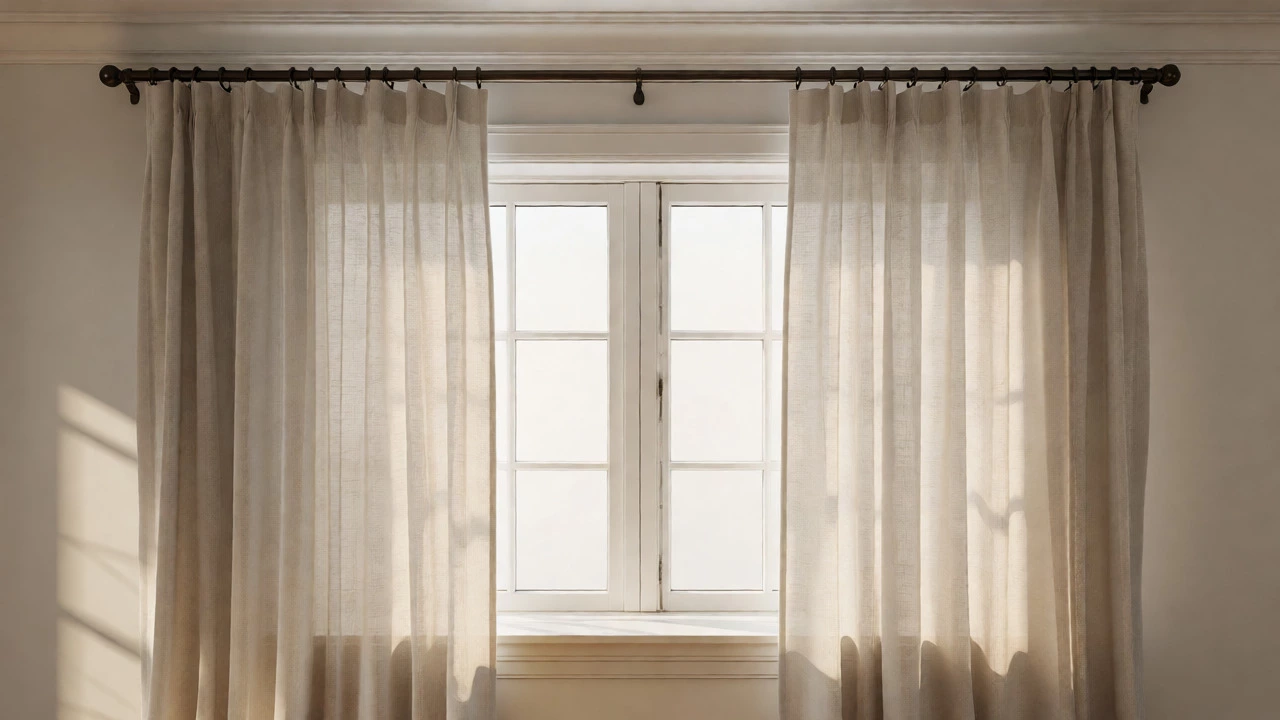
If you want a safe, professional-looking default, aim for 4 to 6 inches of overlap on each side of the window frame. This means if your window is 36 inches wide, your total curtain rod length should be at least 44 to 48 inches. Why this specific range? It creates a visual balance. Too little overlap (under 2 inches) makes the window look cramped and unfinished. Too much overlap (over 10 inches) can overwhelm the wall, especially in smaller rooms, making the space feel cluttered rather than cozy.
This standard applies to most residential windows with standard drywall or plaster surrounds. It gives enough fabric to stack neatly when open, showing off the view, while providing adequate light control and privacy when closed. Think of it as framing a painting. If the frame is too tight against the canvas, the art gets lost. If it's too big, the frame dominates the art. The 4-to-6-inch rule hits that sweet spot where the curtains enhance the window without stealing the show.
Why Wall Space Changes Everything
Here is the catch: you don’t always have the luxury of adding 6 inches to each side. In older homes, apartments, or rental properties, the window might sit flush against a corner or next to a doorframe. In these cases, you can’t extend the rod outward without hitting an obstacle. So, what do you do?
If you have limited wall space, prioritize function over form. Use a shorter rod that fits within the available wall area. If you only have 2 inches of space on one side, take it. Don’t force a 6-inch overlap if it means the rod won’t fit. However, if you have plenty of blank wall space-say, in a living room with large expanses of empty wall-go bigger. Extending the rod 8 to 10 inches on each side can actually make a small window look larger. This trick tricks the eye into thinking the window itself is wider than it really is. It’s a classic interior design hack used by pros to maximize perceived space.
Standard vs. Custom: How Fabric Width Affects Hang
Many people confuse rod length with fabric width. These are two different things. The rod length determines where the curtains hang. The fabric width determines how full and luxurious they look. To get that rich, gathered look, your total fabric width needs to be 2 to 3 times the width of the window opening.
For example, if you have a 36-inch window, you need 72 to 108 inches of total fabric width. If you buy ready-made panels, check the label carefully. Most standard panels are 50 to 54 inches wide. Two panels give you 100 to 108 inches of fabric, which is perfect for a 36-inch window. If you buy single panels, you might end up with thin, flat curtains that slide around easily but offer poor insulation and light blocking.
| Window Width | Minimum Rod Length | Ideal Rod Length | Total Fabric Width Needed |
|---|---|---|---|
| 24 inches | 30 inches | 36 inches | 48-72 inches |
| 36 inches | 42 inches | 48 inches | 72-108 inches |
| 48 inches | 54 inches | 60 inches | 96-144 inches |
| 60 inches | 66 inches | 72 inches | 120-180 inches |
The Role of Hardware and Mounting Height
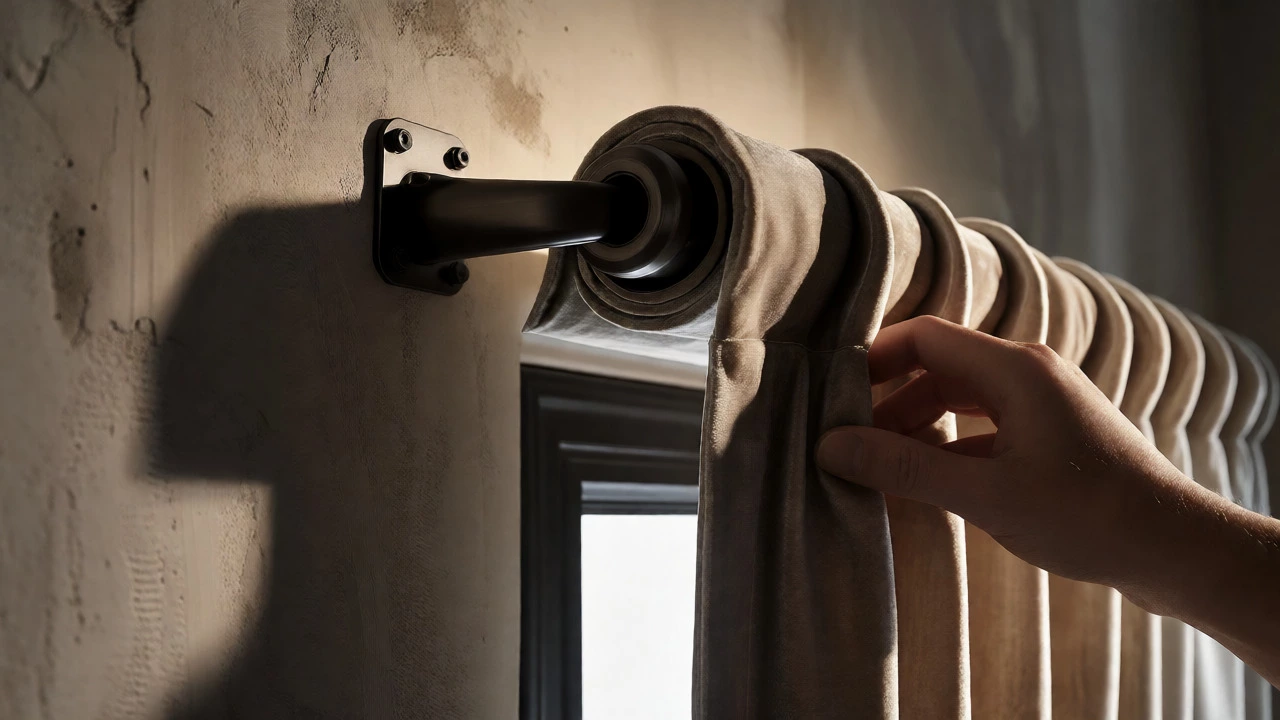
Where you mount the rod matters just as much as how long it is. If you mount the rod high-close to the ceiling-you create vertical drama. This draws the eye upward and makes ceilings look taller. When you do this, you often need slightly more horizontal overlap to balance the increased height. A high-mounted rod with minimal side extension can look top-heavy.
Conversely, if you mount the rod directly above the window trim (which is common in rentals), keep the side extensions modest. Large extensions on a low-mounted rod can look disproportionate, like wings sticking out of nowhere. Always check the weight capacity of your brackets. Extending a rod further requires stronger support. If you’re using heavy velvet or blackout fabrics, ensure your hardware can handle the extra leverage created by the extended ends.
Special Cases: Bay Windows, French Doors, and Sliding Glass
Not all windows are rectangular holes in a wall. Bay windows require a different approach. Typically, you’ll use multiple rods or a curved track. For bay windows, extend the outermost rods 4 to 6 inches past the last window pane to allow the curtains to stack fully against the wall. This prevents the fabric from blocking the view when opened.
French doors are another tricky scenario. Since the doors swing open, you can’t have curtains hanging in the way. Here, you usually mount the rod inside the window frame or just above it, with minimal side extension. The goal is to cover the glass without interfering with the door handles or swing path. Sometimes, café curtains or tiered shades work better here than full-length drapes.
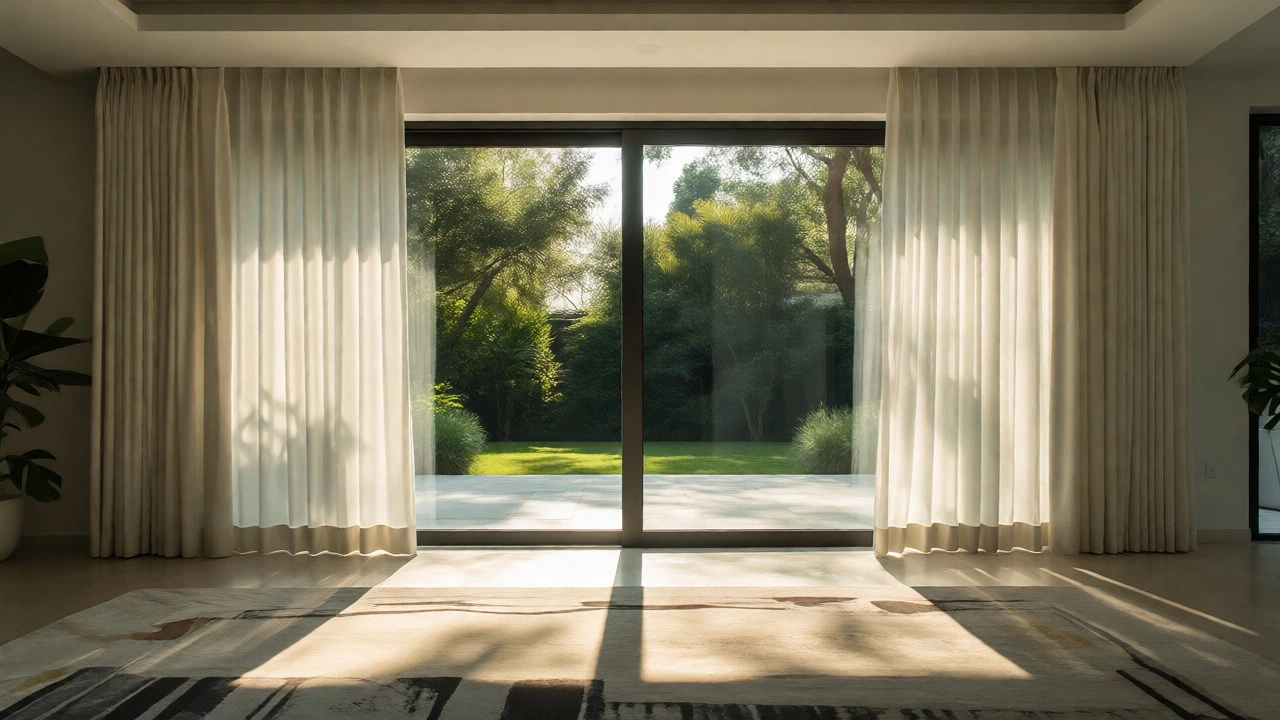
Sliding glass doors present a unique challenge because they are wide. Standard 50-inch panels aren’t enough. You’ll likely need three or four panels, or wide specialty panels. For sliding doors, extending the rod 6 to 12 inches on each side allows the curtains to completely clear the glass when open, giving you an unobstructed view of the outdoors. This is crucial for patios or decks where you want seamless indoor-outdoor flow.
Common Mistakes to Avoid
The biggest mistake I see homeowners make is measuring the window glass instead of the window casing. The casing is the wooden trim surrounding the window. Your curtains need to cover the entire casing, not just the glass. If you measure only the glass, your curtains will leave gaps on the sides where light leaks in and drafts sneak through.
Another error is ignoring the return. The "return" is the distance from the wall to the front of the rod bracket. Standard returns are 3 to 4 inches. If you have deep window sills or bulky trim, you might need a deeper return to keep the curtains away from the window mechanism. Measure your sill depth before buying hardware. Nothing is worse than having your new curtains rub against the window latch every time you open them.
Finally, don’t forget about symmetry. If one side has a light switch and the other doesn’t, you still want equal overlap on both sides for visual balance. Move the rod center point slightly if necessary to accommodate obstacles, but try to keep the left and right extensions identical. Asymmetry looks accidental; symmetry looks intentional.
Practical Checklist for Measuring
- Measure the Casing: Note the width of the window trim, not just the glass.
- Check Wall Space: Look for obstacles like outlets, switches, or corners on both sides.
- Determine Desired Fullness: Decide if you want a sleek look (1.5x width) or a lush, gathered look (2.5x-3x width).
- Select Hardware: Choose a rod that supports the weight of your chosen fabric.
- Add Overlap: Add 8-12 inches total to the casing width for standard rooms.
- Verify Clearance: Ensure the extended rod doesn’t hit adjacent furniture or walls.
Getting the measurements right takes ten minutes but saves hours of frustration later. Once you hang those curtains correctly, you’ll notice the room feels more put-together. The light filters beautifully, the proportions feel right, and you stop wondering why your previous attempts looked "off." It’s a small investment of time that pays off every single day you look at your window.
Do curtains need to touch the floor?
Ideally, yes. There are three main styles: puddling (extra fabric on the floor for a dramatic look), breaking (touching the floor with a slight fold), and hovering (stopping 1/2 inch above the floor). Hovering is safest for cleaning and high-traffic areas, while puddling adds elegance to formal spaces.
Can I use a tension rod for wide windows?
Tension rods are best for lightweight sheers or cafe curtains. For wide windows requiring heavy drapes, tension rods often sag under the weight. If you must use one, choose a heavy-duty steel model and ensure the wall surfaces provide enough friction. Otherwise, stick to mounted rods for better stability.
What if my window is centered on the wall?
If the window is perfectly centered, simply add equal inches to both sides. For example, if you have 10 feet of wall space and a 3-foot window, you have 3.5 feet on each side. You can extend the rod up to 12 inches on each side comfortably. Just ensure the rod doesn’t crowd nearby artwork or lamps.
Does curtain length affect width requirements?
Not directly, but longer curtains may require heavier fabric to hang properly. Heavier fabric might need sturdier hardware, which could limit how far you can extend the rod without additional support brackets. Always match fabric weight to rod strength.
How do I hide the gap between the wall and curtain?
Use a valance, pelmet, or cornice board to cover the top of the rod and any gaps. Alternatively, mount the rod close to the ceiling and use a return bracket that brings the curtain back toward the wall. This minimizes side light leakage.