Home Storage Health Checker
Select all the storage challenges you currently face in your home:
Your Storage Health Score
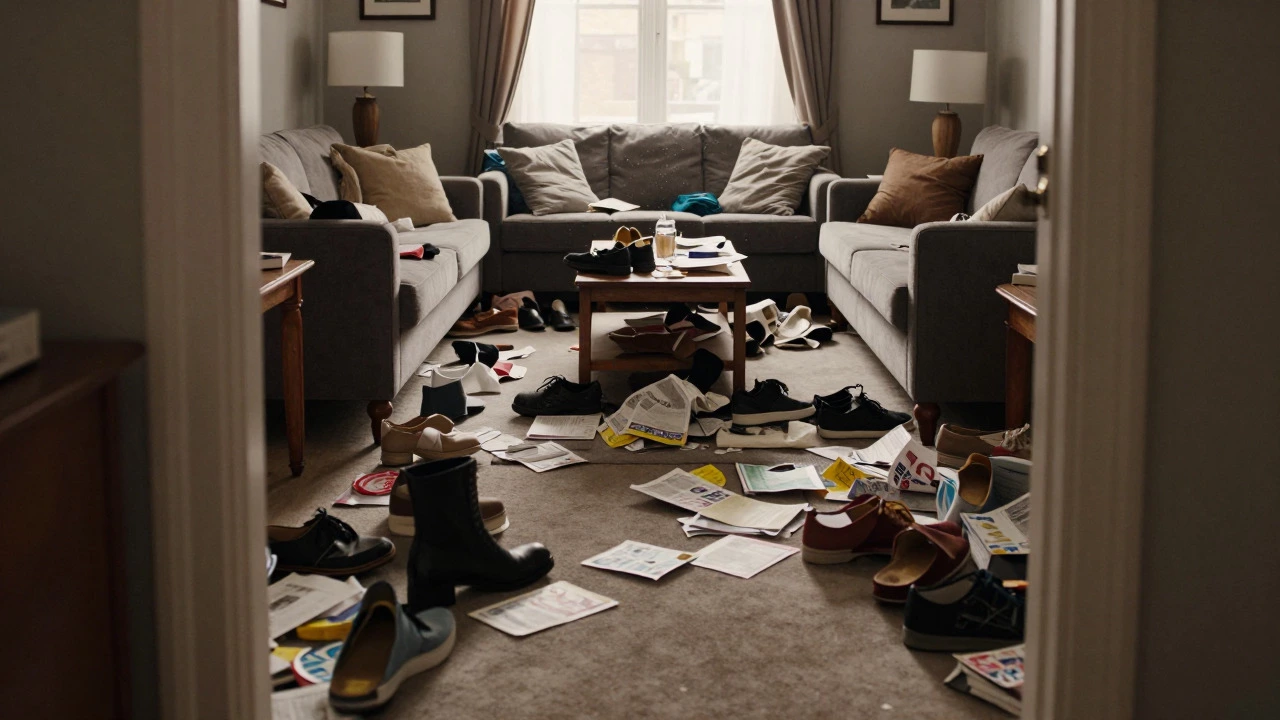
Have you ever walked into a room that looked fine from the doorway but felt like a minefield once you stepped inside? You know the feeling. The floor is covered in shoes, the coffee table is buried under mail, and that one drawer in the kitchen just won’t close because it’s stuffed with utensils that don’t belong there. It’s not just messy; it’s exhausting. Most people think they need more shelves or bigger boxes to solve this, but the real issue usually isn’t a lack of space-it’s how we use the space we have.
We often treat storage as an afterthought. We buy a cute basket, throw things in it, and call it organized. But effective home storage is the strategic placement of items to maximize accessibility, safety, and visual calm within a living space. When done poorly, it creates hidden hazards, wastes money, and adds daily stress. Let’s look at the specific problems that turn our homes into chaotic traps and how to fix them without buying a single new piece of furniture.
The "Out of Sight" Trap
The biggest mistake people make is assuming that if something is hidden, it’s organized. We shove winter coats into the back of the closet until spring arrives, then panic when we can’t find our favorite jacket. This is the "out of sight, out of mind" trap. When you store items in deep, dark corners without a system, you aren’t storing them-you’re burying them.
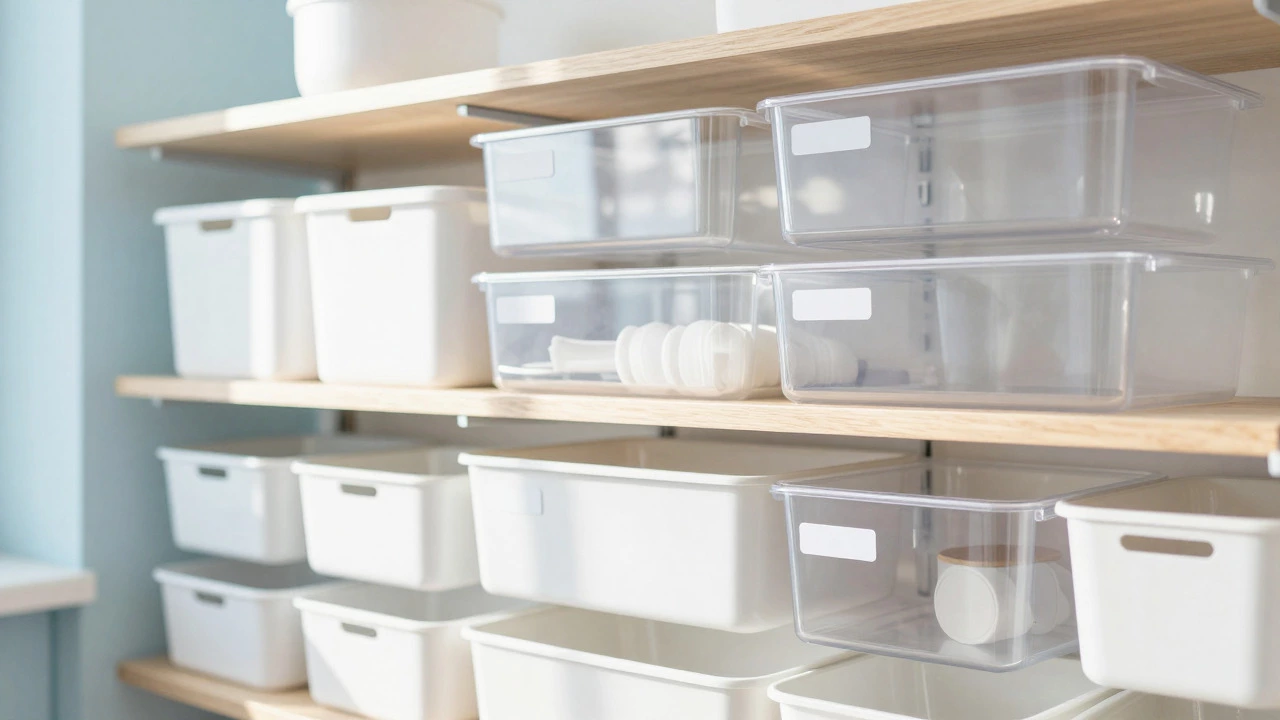
This leads to duplicate purchases. You buy another umbrella because you forgot you had three in the hall closet. You buy another box of tape because the old one is stuck behind the printer. Over time, this drains your wallet and fills your home with redundant items. The solution isn’t more bins; it’s visibility. Use clear containers for items you don’t access daily, like holiday decorations or spare linens. Label everything. If you can’t see what’s in a box from three feet away, you’ll likely forget it exists and buy another one.
Ignoring Vertical Space
In most homes, especially apartments in cities like Wellington or Auckland, floor space is premium. Yet, many people only utilize the first few feet of wall height. They leave empty air above doorways, cabinets, and beds. This is wasted potential. Gravity is your friend here. Items you rarely use should go high up. Items you use daily should be at eye level or within easy reach. Heavy items should be low down for stability.
Consider your bookshelves. Are you using only half the height? Adding simple shelf risers or stacking baskets can double your capacity. In the bedroom, over-the-door organizers are perfect for shoes, cleaning supplies, or accessories. In the kitchen, magnetic strips on the side of cabinets can hold knives or spice jars, freeing up valuable counter space. Ignoring verticality forces you to spread clutter horizontally, making rooms feel smaller and more cramped.
The Drawer Chaos Factor
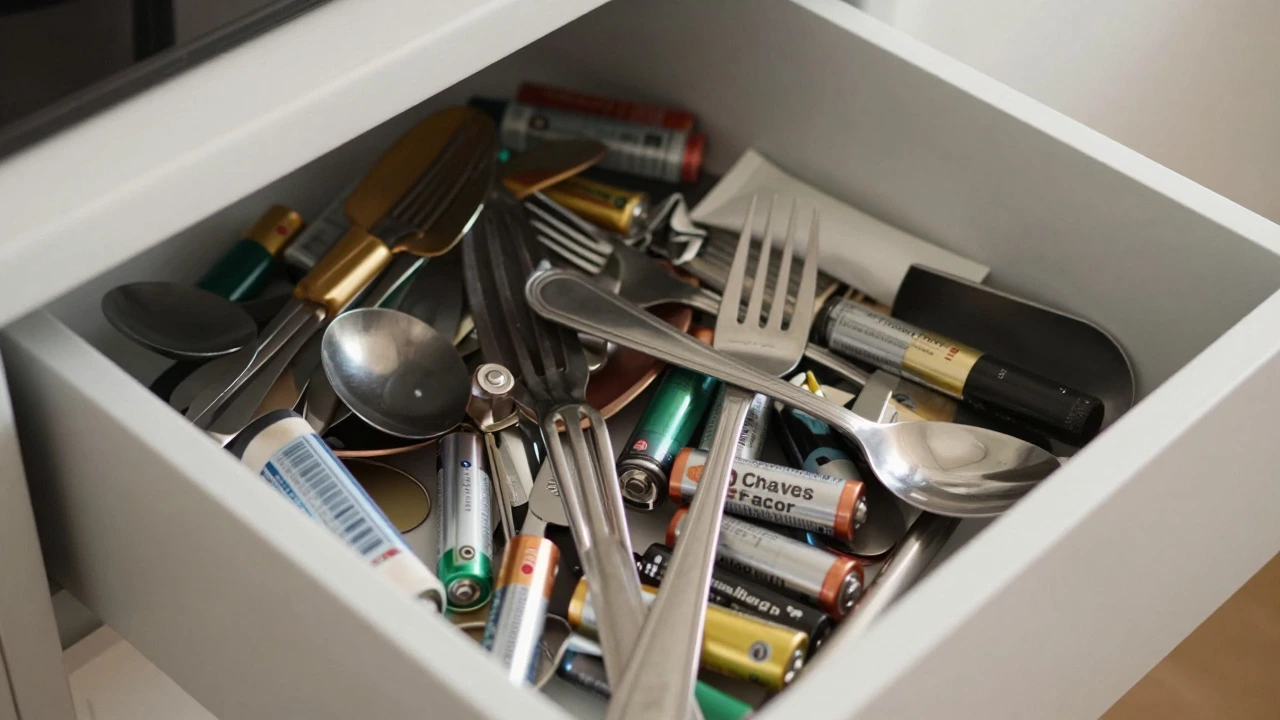
Drawers are notorious for becoming dumping grounds. Why? Because they lack internal structure. Without dividers, small items slide around, tangle, and fall to the back. Think about your junk drawer. It probably contains batteries, scissors, rubber bands, and takeout menus all mixed together. Finding anything takes longer than it should.
To fix this, you need to create compartments. Expanding drawer dividers are inexpensive and transform chaos into order. Group similar items together: all charging cables in one section, office supplies in another. Keep frequently used items near the front. If a drawer is too full to close smoothly, it’s a sign you need to purge, not expand. Ask yourself: "When was the last time I used this?" If it’s been over a year, it doesn’t belong in a primary drawer. Move it to long-term storage or donate it.
Safety Hazards Hidden in Clutter
Clutter isn’t just annoying; it can be dangerous. Tripping over bags, boxes, or piles of laundry is a leading cause of household accidents, especially for children and the elderly. Stacking heavy books or appliances on high shelves without securing them creates a falling hazard. In kitchens, blocking stove burners with pots or pans increases fire risk.
Electrical safety is another concern. Overloading power strips with tangled cords can lead to overheating. Ensure that ventilation areas around heaters, dryers, and fridges remain clear. Dust buildup in tight, cluttered spaces also affects air quality. Regularly decluttering pathways and keeping floors clear isn’t just about aesthetics-it’s about protecting your family. Walk through your home barefoot. If you stumble or have to step over things, you have a safety problem.
Mismatched Containers and Aesthetic Stress
Ever walk into a pantry that looks like a warehouse explosion? Mismatched Tupperware, stained glass jars, and colorful plastic bins create visual noise. This "aesthetic stress" makes it harder to relax in your own home. Your brain processes visual information constantly, and chaotic environments increase cortisol levels. Calm spaces promote calm minds.
You don’t need expensive designer organizers to fix this. Uniformity is key. Choose a consistent color palette for your storage containers-white, clear, or neutral tones work best. Replace broken lids immediately. Store like items together: all baking sheets flat, all mixing bowls nested. When everything has a designated place and looks cohesive, the room feels larger and more peaceful. Visual harmony reduces decision fatigue. You know where things are, so you spend less time searching and more time living.
The Emotional Weight of "Someday" Items
Many storage problems stem from emotional attachment rather than practical need. We keep boxes of old photos, broken heirlooms, or clothes that no longer fit because we think, "I might need this someday." This "someday" mindset clogs up closets and garages. These items sit unused for years, gathering dust and taking up space that could serve a current purpose.
To tackle this, practice the "one-year rule." If you haven’t used an item in twelve months, ask yourself why. Is it truly sentimental, or are you just afraid to let go? For sentimental items, digitize photos and videos. Scan documents and recycle the paper. Keep only the physical objects that bring genuine joy or have irreplaceable value. Be ruthless. Every item you keep is a decision to maintain it. If you’re not willing to clean, organize, and protect it, let it go. Decluttering is an act of self-respect, not deprivation.
| Problem Area | Symptom | Quick Fix |
|---|---|---|
| Closets | Items falling, hard to see contents | Install extra rods, use clear bins, label shelves |
| Kitchen Drawers | Tangled utensils, sliding items | Add expanding dividers, group by category |
| Living Room | Cluttered surfaces, tripping hazards | Use closed storage baskets, clear floor paths |
| Bathroom | Humid mold growth, medicine cabinet overflow | Use moisture-resistant containers, purge expired meds |
| Garage/Shed | Lost tools, pest infestations | Wall-mounted pegboards, sealed plastic totes |
Seasonal Rotation Neglect
Most households follow a seasonal rhythm. Winter coats give way to summer dresses. Christmas lights replace Halloween decor. Yet, many people fail to rotate these items efficiently. They leave off-season clothes in the main closet, wasting prime real estate. Or they pack them away so haphazardly that unpacking becomes a chore.
Create a dedicated off-season storage zone. Under-bed storage bags are great for bulky items like comforters or boots. Vacuum-sealed bags reduce volume by up to 75%, saving significant space. Label each bag with its contents and the season. Set a calendar reminder for mid-March and mid-September to swap items. This proactive approach keeps your active wardrobe streamlined and accessible. Don’t wait until you’re freezing in January to dig through a pile of sweaters.
Digital Clutter Mirroring Physical Mess
It’s easy to overlook digital storage, but it impacts your physical space too. Printing unnecessary documents, keeping outdated manuals, or hoarding CDs and DVDs takes up physical room. Plus, digital disorganization causes mental clutter. If you can’t find a file on your computer, you might print it out, adding to paper waste.
Digitize everything possible. Scan warranties, receipts, and important papers. Store them in cloud services with clear folder structures. Recycle old media that no longer serves a purpose. Keep only essential physical documents in a single, organized filing cabinet. Reduce the number of devices you own by consolidating functions. One tablet can replace a DVD player, game console, and photo frame. Less digital mess means less physical storage needed.
How do I start organizing a very cluttered room?
Start small. Pick one drawer or one shelf. Remove everything, wipe it clean, and put back only what belongs there. Use the "keep, donate, trash" method. Once you complete one small area, momentum will build. Avoid tackling the whole room at once, which leads to overwhelm and quitting.
Are expensive storage organizers worth it?
Not necessarily. Cheap plastic bins and cardboard boxes work fine if labeled clearly. Invest in quality only for high-use areas like kitchen drawers or bathroom vanities. Look for durability and ease of cleaning. Uniform appearance matters more than brand name. DIY solutions like repurposed shoeboxes can be effective and free.
What is the best way to store seasonal clothing?
Use vacuum-sealed bags for bulky items like coats and blankets. Store them in cool, dry places like under beds or top shelves. Label each bag with contents and season. Rotate twice a year. Keep current season’s clothes easily accessible in your main closet. This frees up space and prevents damage from humidity or pests.
How can I prevent clutter from returning?
Adopt the "one in, one out" rule. For every new item you bring home, remove one old item. Spend five minutes each evening resetting common areas. Put away dishes, fold blankets, and clear surfaces. Consistency beats intensity. Small daily habits prevent large-scale clutter buildup.
Is it better to use open shelves or closed cabinets?
It depends on the item. Open shelves work well for decorative pieces, books, and frequently used items. Closed cabinets hide everyday clutter like cleaning supplies, medicines, and mismatched containers. Aim for a balance. Too much open storage looks messy; too much closed storage feels oppressive. Use opaque bins on open shelves to maintain visual calm.