Bedroom Curtain Length Calculator
Recommended Style
Ideal Drop Measurement
-- inches
(Measured from top of rod to bottom of hem)
Why this recommendation?
Pro Tip:
Walk into any showroom and you’ll see them: curtains that either graze the floor with a casual elegance or pool slightly on the rug like a designer’s afterthought. Then there are the ones that stop abruptly mid-window, looking like they shrank in the wash. It’s a common dilemma for homeowners trying to decide if their bedroom needs drama or practicality. The truth is, there isn’t one universal rule, but there are clear guidelines based on your ceiling height, window type, and how much light you want to block.
The Standard Rule: Floor-Grazing Elegance
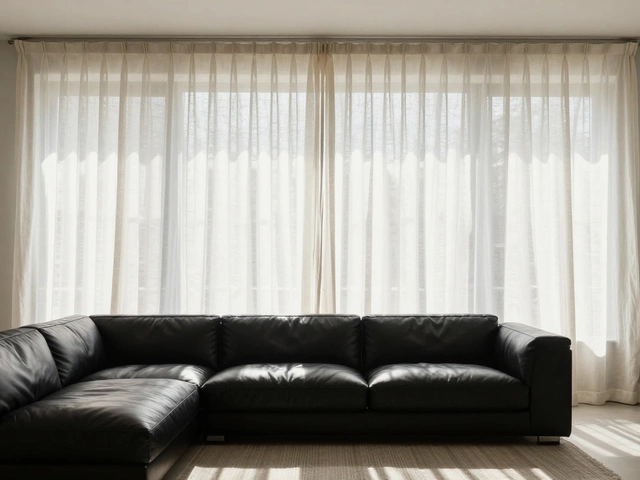
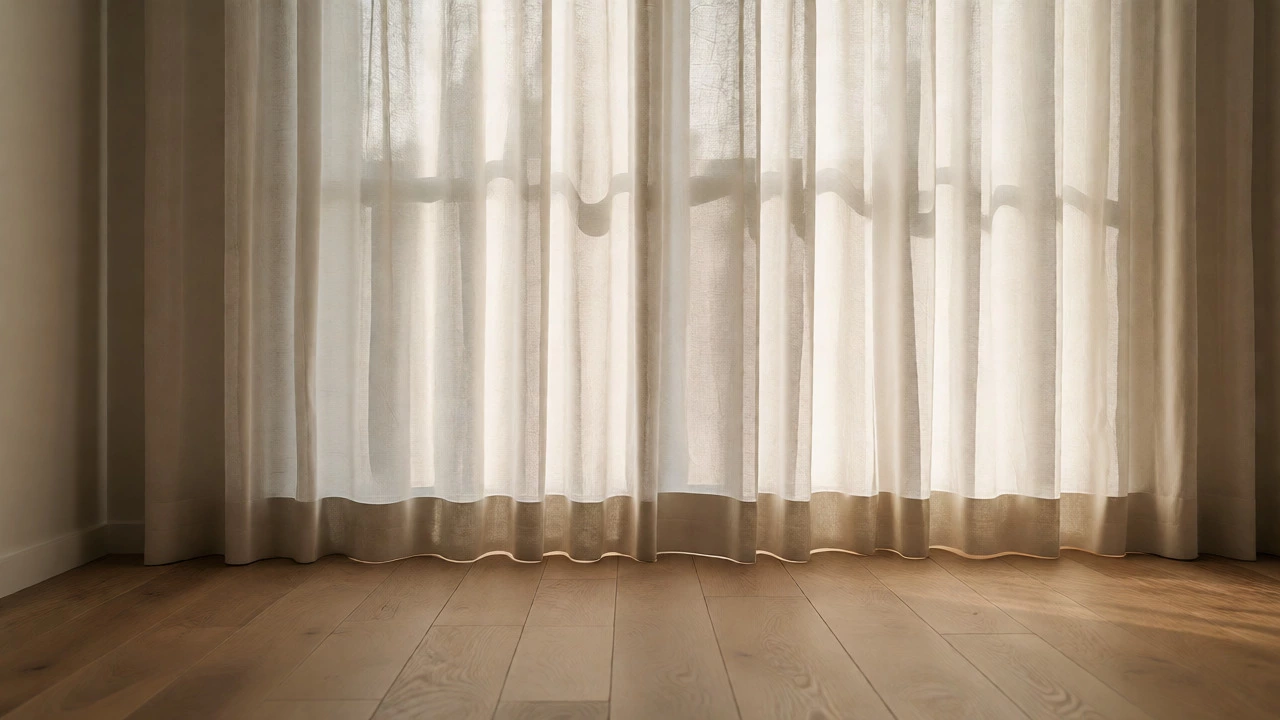
If you’re unsure where to start, go with the classic standard. Most interior designers agree that bedroom curtains should hang just above the floor, typically between half an inch to one inch off the ground. This length creates a clean, tailored look that works in almost any room size. It allows the fabric to drape naturally without dragging dirt across the carpet or getting caught under doorways.
This approach maximizes the perception of height. When vertical lines extend all the way down, your eyes travel from the rod to the floor uninterrupted. In smaller bedrooms, this trick can make ceilings feel higher than they actually are. If you have standard 8-foot ceilings, mounting the curtain rod four to six inches above the window frame and letting the panels drop to within a finger’s width of the floor is the safest bet. It looks intentional, not accidental.
The Dramatic Look: Puddling Curtains
Do you want your bedroom to feel like a luxury hotel suite? Then consider puddling. This style involves ordering curtains that are three to six inches longer than the distance from the rod to the floor. The excess fabric pools gently at the base, creating soft folds that add texture and visual weight.
Puddling works best in rooms with high ceilings-think nine feet or more-and minimal foot traffic near the window. Since the fabric touches the floor, it collects dust and pet hair faster than other styles. You’ll need to vacuum those hems regularly. But if you rarely open the curtains during the day and prioritize aesthetics over maintenance, the extra effort pays off. It signals sophistication and comfort, turning a simple window treatment into a focal point.
The Practical Choice: Sill-Length and Apron-Length
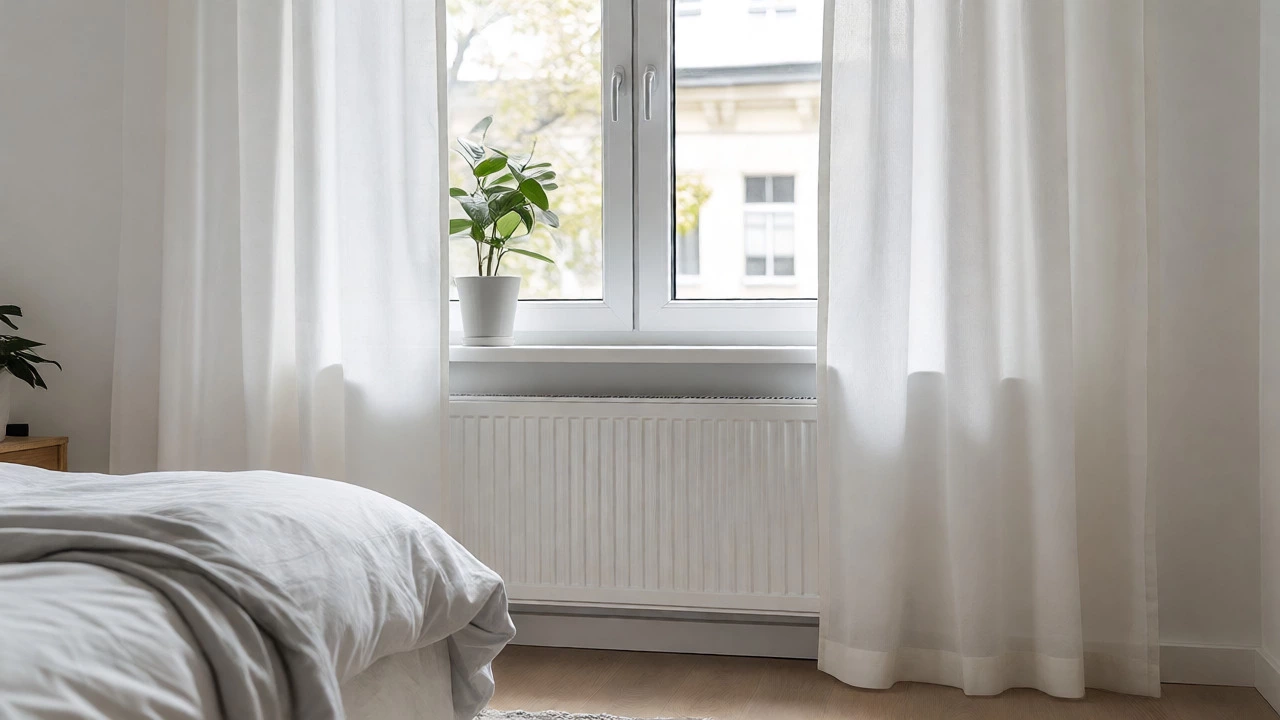
Not every bedroom suits full-length drapes. If you have a radiator directly under the window, full-length curtains will trap heat behind the fabric, making your heating system work harder. In these cases, sill-length curtains, which end exactly at the windowsill, are the smarter choice. They keep the area around the radiator clear and allow warm air to circulate freely into the room.
A slightly longer variation is apron-length, which hangs about six inches below the sill. This offers a bit more coverage while still maintaining functionality. These shorter lengths suit modern, minimalist bedrooms or spaces where you want to showcase a beautiful windowsill or view. They also make cleaning easier since you don’t have to worry about hemming issues or floor contact. Just ensure the rod is mounted high enough so the short curtains don’t make the window look stubby.

How Ceiling Height Changes Everything
Your ceiling height dictates the most flattering curtain length. In older homes with ten-foot ceilings, short curtains can look out of place, like a child’s costume on an adult. Full-length or puddled styles anchor the space and balance the vertical scale. Conversely, in apartments with low seven-and-a-half-foot ceilings, heavy puddling might overwhelm the room. Stick to the floor-grazing rule here to avoid making the space feel cramped.
Mounting position matters as much as length. Even if you choose short curtains, installing the rod close to the ceiling rather than just above the window frame draws the eye upward. This illusion of height works wonders in compact urban bedrooms. Measure from the top of the rod to the floor before buying fabric. If you’re renting and can’t drill high, use tension rods or brackets that extend vertically to mimic the effect.
Material Weight and Fabric Behavior
The fabric you choose affects how the length reads visually. Heavy materials like velvet or blackout-lined cotton hold their shape well and look luxurious when they puddle. Lighter fabrics like linen or sheer voile tend to cling to the floor if too long, creating wrinkles that look messy rather than chic. For sheers, aim for a crisp break just touching the floor to maintain their airy quality.
Consider washing instructions too. Natural fibers shrink. If you plan to machine-wash linen curtains, buy them with an extra two inches of length to account for potential shrinkage after the first hot cycle. Synthetic blends resist shrinking better, giving you more precise control over the final fit. Always iron or steam curtains immediately after hanging to remove shipping creases; otherwise, the true length won’t reveal itself until the fabric relaxes.
| Style | Length Below Rod | Best For | Maintenance Level |
|---|---|---|---|
| Floor-Grazing | Rod to Floor minus 0.5-1 inch | Standard ceilings, high traffic areas | Low |
| Puddled | Rod to Floor plus 3-6 inches | High ceilings, formal bedrooms | High (dust collection) |
| Sill-Length | Rod to Windowsill | Radiators, small windows, kitchens | Medium |
| Apron-Length | Rod to Sill plus 6 inches | Modern aesthetics, easy access | Medium |
Light Control and Privacy Needs
Curtain length impacts privacy. Short curtains leave the bottom third of the window exposed, meaning passersby might see into your bedroom if it’s at street level. Full-length panels eliminate this gap entirely. If you live in a dense city apartment, going long is often necessary for peace of mind, regardless of aesthetic preference.
For light control, heavier full-length curtains seal the window edges better. Gaps at the bottom let light leak in, disrupting sleep. If you’re a light sleeper, pair floor-grazing blackout curtains with side return rods to block edge glare. Short curtains simply can’t provide this level of darkness unless combined with blinds underneath, adding complexity and cost to your setup.
Common Mistakes to Avoid
One frequent error is measuring from the wrong spot. Always measure from the top of the mounting hardware, not the wall or the window frame. Another mistake is ignoring the hem. Cheap ready-made curtains often have thin hems that curl up, effectively shortening the panel by an inch. Look for weighted hems or double-fold finishes to keep the line straight.
Don’t forget to account for stacking space. If you pull curtains back during the day, ensure they don’t cover the glass completely. Too much fabric bunched to one side blocks light and looks cluttered. Aim for panels that stack neatly against the wall without spilling onto the window pane. This requires calculating the total width needed, usually 1.5 to 2 times the window width, which indirectly influences how the length hangs when drawn.
Final Verdict: Which Should You Choose?
Go long if you want elegance, better light blocking, and a sense of grandeur. Go short if you have radiators, small windows, or prefer a modern, uncluttered vibe. There’s no shame in mixing styles-sheers can be floor-length for softness while heavier drapes stay at the sill for function. The key is consistency. Once you pick a length, stick to it across all windows in the room to create a cohesive look.
Should bedroom curtains touch the floor?
Ideally, yes, but they shouldn't drag. A gap of half an inch to one inch is considered the professional standard. It prevents dirt accumulation while maintaining a sleek appearance. Touching the floor exactly can look sloppy unless intentionally styled as 'kissing' curtains.
Is it okay to have short curtains in a bedroom?
Yes, especially if you have a radiator under the window or a deep windowsill used for display. Sill-length or apron-length curtains are practical choices that prevent heat trapping and keep the room feeling airy. Just ensure the rod is mounted high to avoid making the window look small.
How much extra length do I need for puddled curtains?
Add three to six inches to the measurement from the rod to the floor. Three inches creates a subtle break, while six inches creates a noticeable pool. Ensure your flooring material won't snag delicate fabrics, as pooled curtains require regular cleaning.
Do long curtains make a small room look bigger?
Generally, yes. Vertical lines draw the eye upward, enhancing the perception of ceiling height. Mounting the rod close to the ceiling and using floor-length panels amplifies this effect. However, very heavy dark fabrics can weigh down a small space, so opt for lighter colors or textures.
What is the best curtain length for sliding doors?
Floor-length is preferred for sliding doors to ensure complete coverage and insulation. Avoid puddling on sliding doors because the fabric will get caught in the track or dragged across the threshold as you walk through. Keep them just above the floor for smooth operation.