Sofa Luxury Score Calculator
Use this calculator to assess whether your current or prospective sofa has the "expensive" look. Answer the questions honestly to get a score out of 100.
Analysis
You walk into a showroom, and one sofa screams "cheap" while the next one whispers "luxury," even if they cost the same. It’s not magic. It’s physics, geometry, and material science working together to trick your eye. You don’t need a five-figure budget to get that high-end look. You just need to know which buttons to push.
Proportion Is Everything
The fastest way to make a sofa look cheap is bad proportion. Cheap sofas often have arms that are too thin or backs that are too tall relative to the seat depth. Luxury sofas follow specific visual rules. They tend to have deeper seats (at least 24 inches) because comfort signals value. If you sink in slightly, your brain registers it as premium quality. Shallow seating looks like airport waiting room furniture.
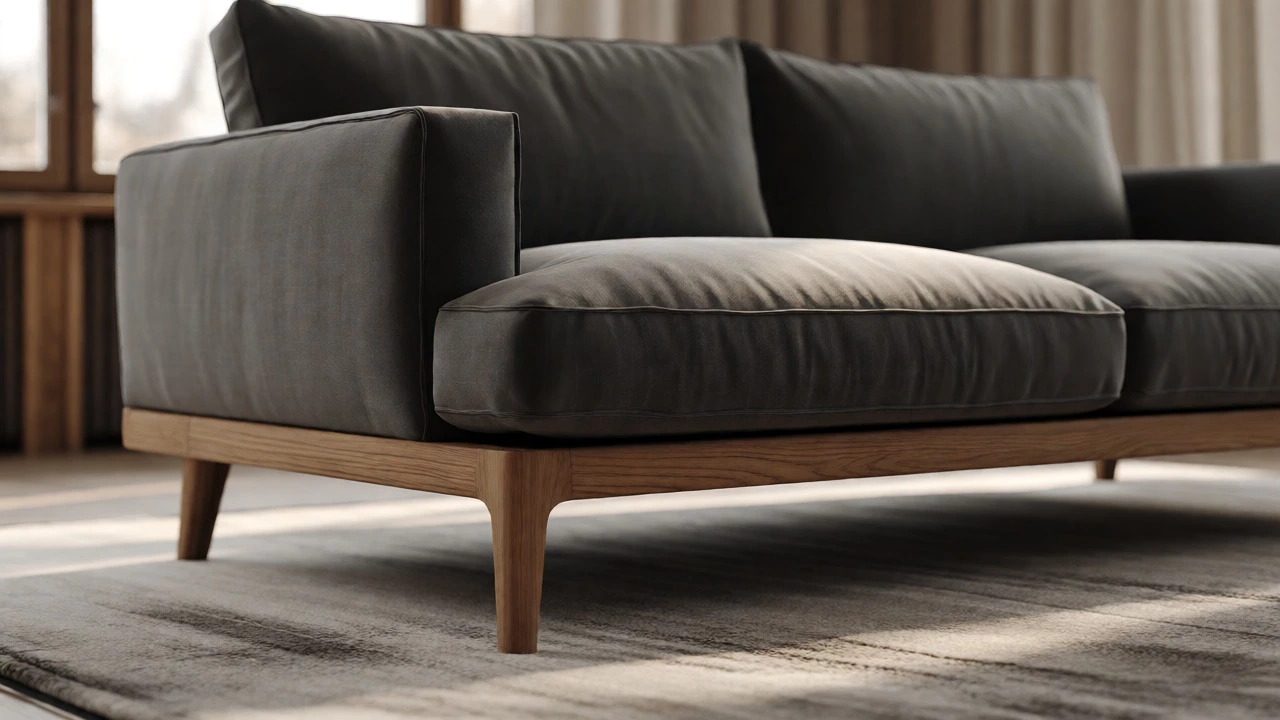
Look at the legs. High-end designs usually hide the legs entirely or use substantial, tapered wood that lifts the frame cleanly off the floor. Flimsy metal glides or short, stubby wooden feet drag the visual weight down. A sofa that floats above the ground feels lighter and more sophisticated. This isn't about style preference; it's about how our eyes process stability and elegance. When a piece sits firmly but gracefully, it implies structural integrity.
The Art of Tailoring
Run your hand along the seams. Do they pull? Are there wrinkles where there shouldn't be? In expensive upholstery, the fabric is pulled taut over the foam core without any slack. This is called tailoring. Poorly tailored sofas have visible creases on the arms or back cushions because the fabric wasn't cut correctly for the frame's curves. This is a manufacturing shortcut that saves money on labor but kills the aesthetic.
Check the piping. Piping outlines the shape of the sofa, defining its edges. On luxury pieces, the piping is crisp and consistent. On cheaper models, it’s often omitted entirely or done poorly, leading to blurred edges. Sharp lines read as precision engineering. Blurry lines read as mass production. If you’re buying a sofa with exposed seams, ensure the stitching is tight and uniform. Loose threads or uneven stitch spacing are immediate giveaways of low-cost construction.
Material Matters More Than Brand Name
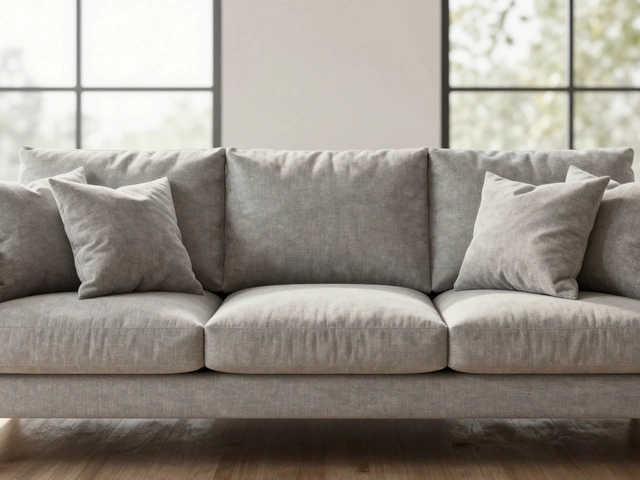
You can spot fake leather from ten feet away. Real leather, specifically full-grain or top-grain, has natural imperfections. It smells rich and ages beautifully. Bonded leather, which is essentially scrap dust glued to a backing, peels and cracks. It feels plastic-y to the touch. If you want the leather look without the price tag, go for high-quality linen or heavy-weight cotton blends. Avoid shiny polyester. Shine reflects light harshly, highlighting every flaw. Matte fabrics absorb light, creating depth and richness.
Natural fibers drape better. Linen wrinkles, yes, but it drapes softly over the frame, suggesting organic quality. Synthetic fabrics often hold their shape too rigidly, looking stiff and artificial. The goal is to mimic the way high-end materials behave under gravity. If the fabric looks like it’s fighting the cushion underneath, it won’t pass the luxury test.
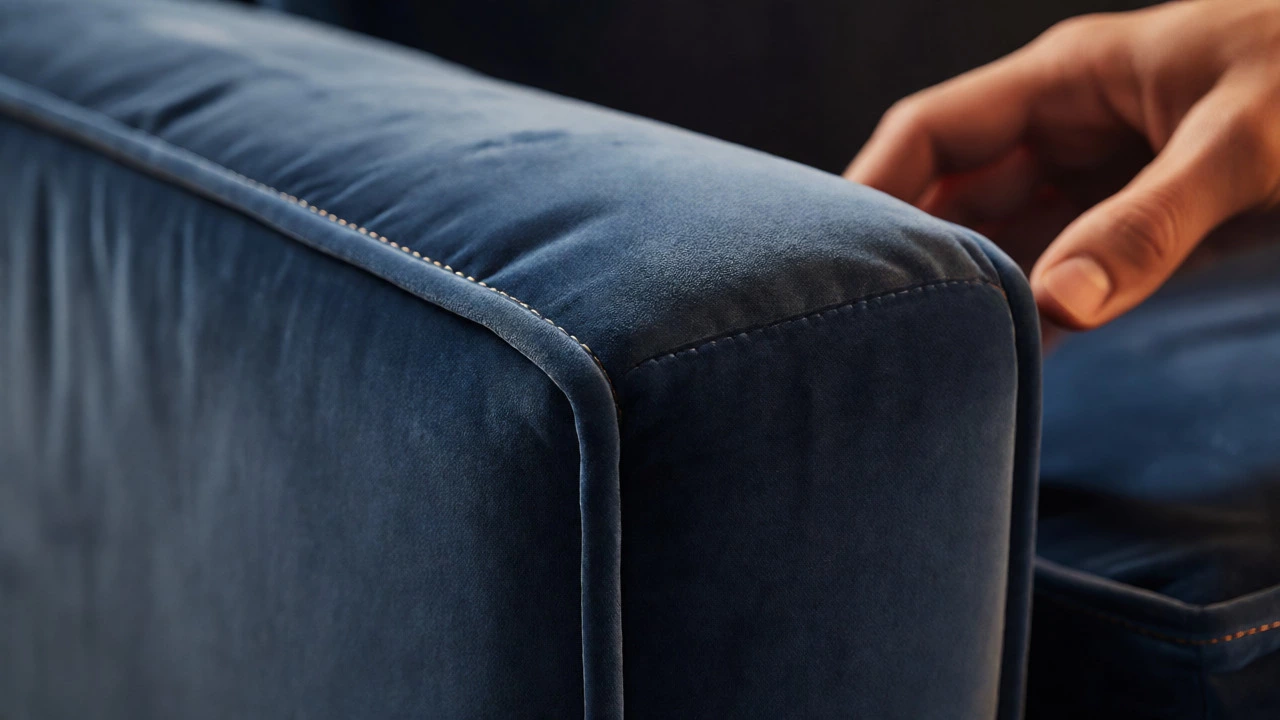
Cushion Density and Recovery
Sit down. Now stand up. How long does it take for the cushion to return to its original shape? Fast recovery indicates high-density foam. Low-density foam collapses quickly and stays flattened. Luxury sofas use multi-layer cushioning systems. They might combine a core of high-resilience foam with a wrap of feather or down. This creates a cloud-like initial softness with firm support underneath.
If you buy a sofa with all-foam cushions, ask for the density rating. Anything below 1.8 pounds per cubic foot will sag within two years. Above 2.5 is commercial grade. For home use, aim for 2.0 to 2.5. Also, consider loose back cushions. Fixed backs are harder to plump up. Loose cushions allow you to fluff them regularly, maintaining that plush, inviting look that defines expensive living rooms. Stiff, unyielding backs feel institutional.
Color and Pattern Discipline
Neutral tones scream sophistication. Charcoal, navy, cream, and taupe are timeless. Loud patterns or bright primary colors often date a room quickly and can look gaudy if not executed perfectly. Even when using color, luxury sofas stick to muted, earthy palettes. Think olive green instead of lime. Burnt orange instead of neon red.
Pattern placement matters. If you choose a patterned fabric, ensure the pattern aligns across seams. Misaligned stripes or checks are a hallmark of cheap manufacturing. It shows the maker didn't care enough to waste extra fabric to match the print. Solid colors are safer bets for a high-end look. They let the silhouette speak for itself. Texture becomes the pattern. A ribbed velvet or a nubby bouclé adds interest without the risk of clashing with other decor elements.
Legs and Base Details
The base of the sofa is the foundation of its perception. Hidden legs create a seamless, modern look. Exposed legs should be solid wood, preferably walnut, oak, or mahogany. Plastic legs painted to look like wood fail the touch test immediately. They sound hollow when tapped. Real wood sounds dense and resonant.
Height is crucial. Legs should lift the sofa at least six inches off the floor. This allows for easier cleaning and creates a sense of airiness. Short legs trap shadows and make the piece look bulky. Tapered legs add elegance. Straight, blocky legs can look industrial or dated depending on the context. If you’re trying to upgrade an existing sofa, swapping out cheap metal glides for solid wood bun feet can transform the entire vibe for under $50.
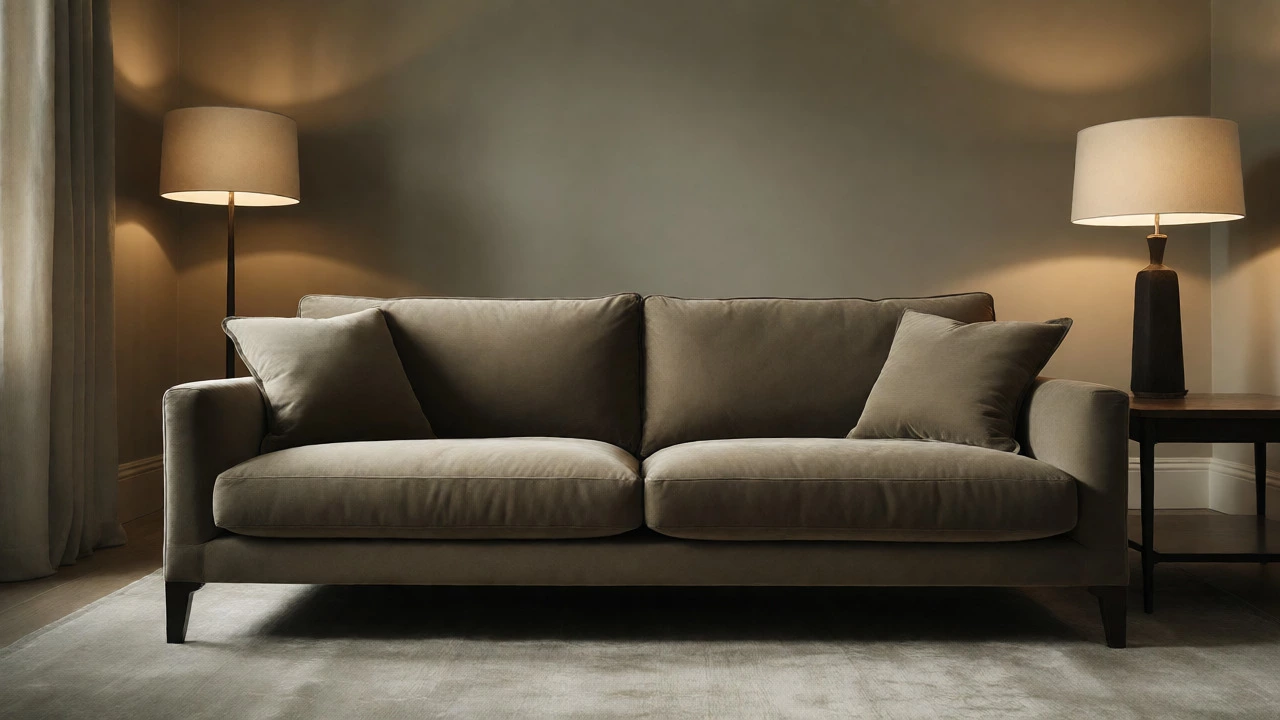
Scale and Room Context
A beautiful sofa looks cheap if it’s the wrong size for the room. Too small, and it looks toy-like. Too large, and it overwhelms the space, making the rest of the room feel cramped. Measure twice. Leave at least 18 inches of walking space around the sofa. Proportionate scale makes a piece feel intentional and custom-designed. Custom sofas are inherently perceived as more expensive because they fit perfectly. Off-the-rack pieces often require slight adjustments in arrangement to achieve this balance.
Consider the arm height relative to the table height. If your coffee table is lower than the sofa arms, it looks disjointed. Aligning these heights creates a cohesive visual flow. This attention to detail suggests a curated environment rather than a random accumulation of furniture.
Lighting and Presentation
Furniture looks different under various lighting conditions. Harsh overhead lighting reveals flaws in texture and stitching. Soft, layered lighting hides minor imperfections and enhances the depth of the fabric. If you’re shopping in a store, check the sofa under dimmer lights if possible. At home, place floor lamps near the sofa to highlight its contours. Shadows define shape. Without proper lighting, even the best sofa can look flat and lifeless.
Dusting matters. Dust settles into the weave of velvet and linen, dulling the color. Regular vacuuming with an upholstery attachment keeps the fabric vibrant. A clean sofa always looks newer and more valuable than a dusty one, regardless of its actual price tag.
Key Takeaways
- Deep Seats: Aim for at least 24 inches of seat depth for a luxurious feel.
- Tight Tailoring: Ensure no fabric slack or pulling at the seams.
- Matte Fabrics: Choose linen, wool, or matte velvet over shiny synthetics.
- High-Density Foam: Look for cushions with fast recovery and high density ratings.
- Substantial Legs: Use solid wood legs that lift the sofa at least 6 inches off the floor.
| Feature | Cheap Indicator | Expensive Indicator |
|---|---|---|
| Seat Depth | Under 22 inches | 24+ inches |
| Fabric Finish | Shiny, synthetic | Matte, natural fibers |
| Seams | Pulling, wrinkled | Taut, aligned |
| Legs | Short, plastic/metal | Tall, solid wood |
| Cushions | Low density, slow recovery | High density, quick recovery |
Does a higher price guarantee a sofa looks expensive?
No. Some designer brands charge for the logo, not the construction. A well-made mid-range sofa with good proportions and quality materials will often look more expensive than a poorly constructed luxury brand item. Always inspect the build quality yourself.
Can I make my old sofa look more expensive?
Yes. Swap out cheap legs for solid wood ones. Add tailored slipcovers made of high-quality linen. Replace worn-out cushions with high-density foam inserts. Deep clean the fabric to restore its color vibrancy. These steps can significantly elevate the appearance.
Is velvet a good choice for a luxury look?
Velvet can look very expensive, but only if it’s matte and high-quality. Cheap velvet shines excessively and flattens easily. Look for cotton or silk-blend velvets with a deep pile. Avoid synthetic velvets that reflect light too strongly.
How important is the color of the sofa?
Color sets the tone. Neutrals like gray, beige, and navy are perceived as more sophisticated because they blend seamlessly into curated interiors. Bright colors can look playful or dated unless used intentionally as a statement piece with perfect surrounding decor.
What is the best fabric for durability and luxury?
Wool and high-grade linen offer the best balance. Wool is durable, stain-resistant, and has a natural luster. Linen offers breathability and a relaxed elegance. Both age well and maintain their structure better than most synthetic blends.