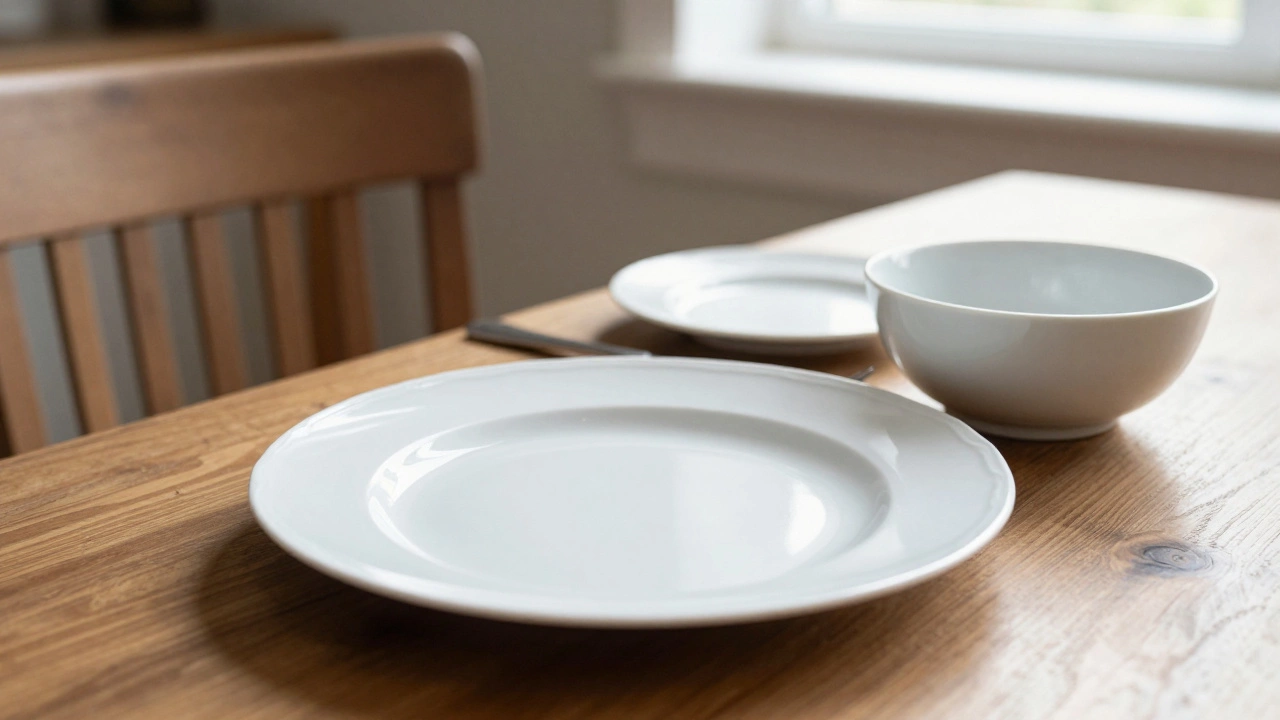
Ever sat down to a meal and wondered why some people call their plates and forks tableware while others say dinnerware? It’s not just semantics-it’s about what’s actually on your table and how it’s being used. The confusion is common, even among people who host dinner parties regularly. The truth is, dinnerware is part of tableware, but not all tableware is dinnerware. Let’s clear this up once and for all.
What Is Dinnerware?
Dinnerware refers to the specific pieces you eat from. These are the plates, bowls, and sometimes cups that come into direct contact with your food. Think of your everyday set: the dinner plate, salad plate, soup bowl, cereal bowl, and dessert plate. If you’re setting a formal table, you might also include a bread plate and a demitasse cup for espresso.
Dinnerware is typically made from ceramic, porcelain, stoneware, or melamine. It’s designed for functionality and durability during meals. Brands like Corelle, Lenox, and IKEA sell dinnerware sets that include matching pieces in standard sizes. You’ll find these in kitchen cabinets, stacked neatly after washing.
One key detail: dinnerware doesn’t include utensils. No forks, knives, or spoons. Those belong to a different category. Dinnerware is strictly about the vessels that hold your food.
What Is Tableware?
Tableware is the bigger umbrella term. It includes everything you use to set a table for eating-dinnerware, flatware, glassware, and even linens. It’s the full ensemble.
Here’s how it breaks down:
- Dinnerware: Plates, bowls, and sometimes dessert dishes
- Flatware: Forks, knives, spoons, and sometimes chopsticks or serving tools
- Glassware: Water glasses, wine glasses, tumblers, and mugs
- Linens: Tablecloths, napkins, placemats, and coasters
So if you walk into a store looking for a new dinner set, you’re shopping for dinnerware. But if you’re buying a complete table setting for a holiday meal-plates, glasses, cutlery, and napkins-you’re buying tableware.
Tableware is about the full experience. It’s not just about eating-it’s about presentation, comfort, and ritual. A well-set table with matching napkins and crystal glasses creates a different feeling than just a plate and fork.
Why the Confusion?
The mix-up happens because people use the words interchangeably in casual conversation. You might hear someone say, “I bought new dinnerware,” when they actually mean they got a whole new set-plates, glasses, and silverware. Or you might see a product labeled “dinnerware set” that includes four forks and four knives.
But in retail and design, the distinction matters. Stores organize these items separately. You’ll find dinnerware in the ceramic section, flatware in the silverware aisle, and glassware near the drinkware. If you’re shopping online, using the wrong term might lead you to the wrong product.
Even in restaurants, the terms are used precisely. A server doesn’t bring you “dinnerware”-they bring you your plate, your fork, your glass. But the restaurant’s inventory system will list all of those under “tableware.”
Real-Life Examples
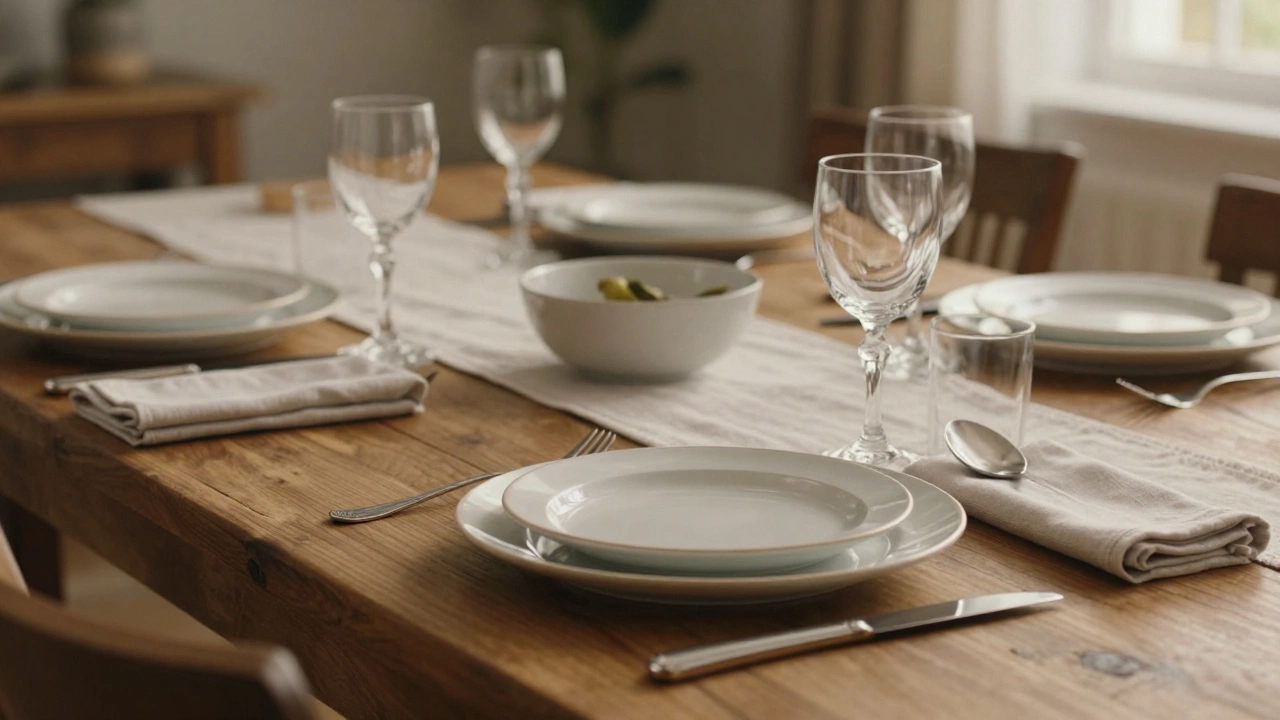
Let’s say you’re hosting a Sunday roast. You pull out your white ceramic plates, a large serving bowl, and matching dessert dishes. Those are your dinnerware.
You add your stainless steel forks, butter knives, and soup spoons. Those are flatware.
You pour wine into your stemmed glasses and water into tumblers. That’s glassware.
You lay down a linen tablecloth and fold cloth napkins beside each setting. Those are linens.
Together, all of it-plates, cutlery, glasses, napkins-is your tableware.
Now imagine you’re at a friend’s house for brunch. They use mismatched plates from a thrift store, plastic cups, metal forks from the drawer, and paper napkins. They still have tableware-even if it’s not fancy. But if they only have plates and no utensils or glasses, they’re missing parts of the tableware set. They have dinnerware, but not full tableware.
What to Buy When
If you’re just starting out, you don’t need to buy everything at once. Start with dinnerware. A basic set of four dinner plates, four salad plates, and two bowls covers most meals.
Next, add flatware. A standard five-piece place setting includes a dinner fork, salad fork, dinner knife, teaspoon, and soup spoon. You can buy these in sets of four or eight.
Then move to glassware. At minimum, get water glasses and wine glasses. If you entertain often, add tumblers and maybe champagne flutes.
Linens are optional but make a big difference. A simple cotton table runner and napkins can elevate a casual meal into something special.
Remember: dinnerware is the foundation. Tableware is the complete picture.
Common Mistakes to Avoid
- Buying a “dinnerware set” that includes cutlery-check the product description. If it says “4-piece dinnerware set,” it’s just plates and bowls. If it says “16-piece dinnerware set,” it likely includes flatware too.
- Assuming all plates are dinnerware. A serving platter or a decorative plate used for display isn’t dinnerware-it’s servingware or decor.
- Using the term “dinnerware” to mean “everything on the table.” If you’re shopping, be specific. Ask for “dinnerware only” if you don’t want utensils.
Also, don’t confuse dinnerware with serveware. Serveware includes platters, tongs, ladles, and serving bowls-tools used to bring food to the table. These are part of tableware but not dinnerware.
Tableware vs. Dinnerware: Quick Reference
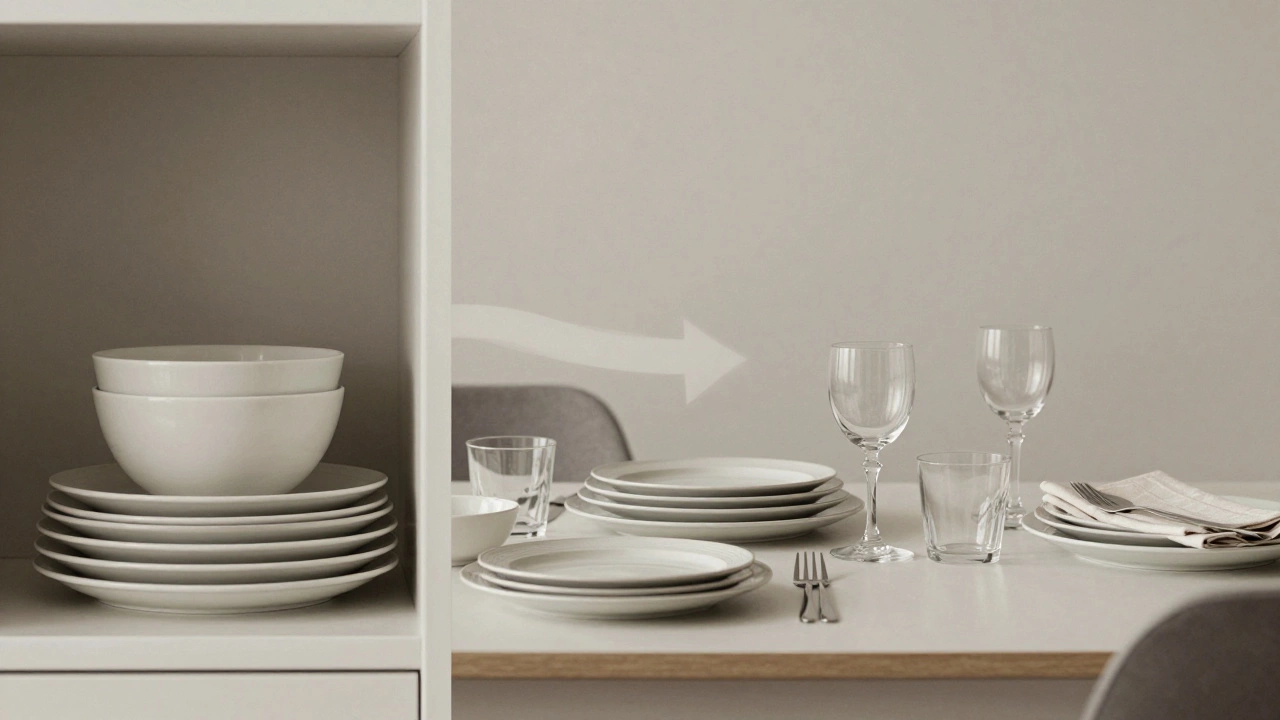
| Category | Dinnerware | Tableware |
|---|---|---|
| Definition | Plates and bowls used for serving and eating food | All items used to set a table for eating |
| Includes | Dinner plates, salad plates, soup bowls, dessert plates | Dinnerware + flatware + glassware + linens |
| Excludes | Forks, knives, spoons, glasses, napkins | None-it includes everything |
| Typical Materials | Ceramic, porcelain, stoneware, melamine | Ceramic, glass, stainless steel, cotton, linen |
| Used For | Direct food contact during meals | Full dining experience, presentation, and function |
Final Thoughts
It’s a simple distinction once you break it down. Dinnerware is your plates and bowls. Tableware is everything else that makes a meal feel complete. You can have dinnerware without tableware-but you can’t have tableware without dinnerware.
If you’re decorating your kitchen or shopping for gifts, knowing the difference helps you buy smarter. No more showing up to a dinner party with plates but no forks. No more buying a “dinner set” that doesn’t include the glasses you actually need.
Think of it like a car. Dinnerware is the engine. Tableware is the whole vehicle-wheels, seats, lights, and radio. You need the engine to drive. But to really enjoy the ride, you need the full setup.
Is dinnerware the same as dishware?
Yes, in everyday language, dishware and dinnerware are used interchangeably. Both refer to plates, bowls, and similar food-holding pieces. But technically, dishware can include serving dishes and storage containers, while dinnerware is strictly for eating. For most people, the terms mean the same thing.
Can I use plastic plates as dinnerware?
Absolutely. Dinnerware isn’t defined by material-it’s defined by function. Plastic plates used for meals are still dinnerware. Many families use them for kids’ meals, picnics, or casual dinners. They’re practical, durable, and still serve the same purpose as ceramic plates.
Do I need matching dinnerware and glassware?
No, matching isn’t required. Many people mix and match for a more personal, relaxed look. A rustic wooden table with mismatched plates and clear glassware can look more inviting than a perfectly matched set. What matters is that everything serves its purpose and feels comfortable to use.
What’s the difference between flatware and silverware?
Flatware is the general term for forks, knives, and spoons. Silverware traditionally meant utensils made of silver, but now it’s often used to mean any metal utensils-even stainless steel. In modern usage, the two words are nearly interchangeable. Most people say “silverware” when they mean flatware.
Are napkins part of dinnerware?
No, napkins are not dinnerware. They’re part of tableware, specifically under linens. Dinnerware is only the food-holding items-plates, bowls, etc. Napkins are for cleaning hands and mouths, not holding food. But you need them to complete a full table setting.
Next Steps
If you’re shopping for dinnerware, start by counting how many people you regularly serve. Buy enough for that number, plus two extra for guests. Look for durable materials like porcelain or stoneware-they handle daily use and dishwashers well.
When adding tableware, focus on pieces you use most. A water glass and a dinner fork are more essential than a soup spoon or a champagne flute. Build your collection over time.
And if you’re ever unsure whether something counts as dinnerware or tableware-ask yourself: Does it hold food? If yes, it’s dinnerware. If it’s a tool, a container, or a cloth-it’s tableware.