Feb 3, 2025
Why Old Houses Lack Closets and Modern Solutions to Store Your Stuff
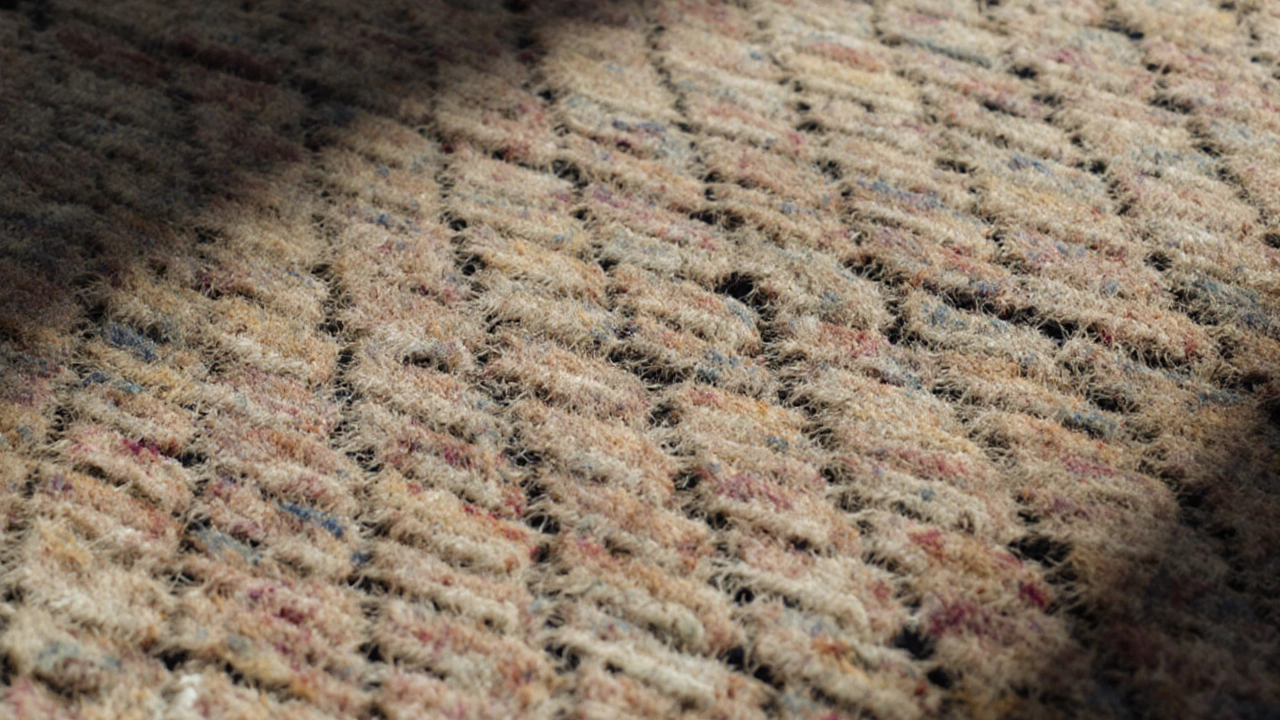
When you buy a rug, rug density, the number of yarn knots or fibers packed into a square inch. It’s not just a number—it’s the difference between a rug that lasts ten years and one that looks worn out after six months. A high-density rug holds up to foot traffic, resists flattening, and feels solid underfoot. Low-density rugs? They flatten fast, show stains easily, and often look cheap even if they cost a lot.
What makes a rug dense? It’s not just the thickness. pile height, how far the fibers stick out from the backing matters, but so does how tightly those fibers are twisted and woven. A rug with short pile and high knot count is often denser than a fluffy, tall one. rug backing, the material holding everything together also plays a role—latex or cotton backing keeps knots locked in place, while cheap synthetic backings can break down and cause fibers to pull loose.
Think of rug density like mattress firmness. You wouldn’t buy a thin, floppy mattress and expect it to support you for years. Same with rugs. High-density rugs are built for real life: kids, pets, doorways, heavy furniture. They don’t need fancy cleaning. They just need time to settle in and keep working. You’ll know you’ve got a good one when you press your palm down and it springs back slowly—not instantly, but not flat either.
And here’s the thing: density isn’t always obvious from the label. A rug labeled "premium" might still have low knot count if it’s machine-made. Look for the actual knot count per square inch—anything under 100 is usually low, 150+ is solid, and 200+ is luxury. You don’t need to count them yourself. Just check if the rug feels heavy for its size, if the backing is tightly woven, and if the fibers don’t pull when you tug gently.
That’s why you’ll find posts here about how to spot a high-quality couch, why La-Z-Boy costs more, and how to choose the best rug colors to hide dirt. They all tie back to the same thing: understanding what’s inside the product, not just what it looks like. Whether you’re buying a rug, a bed, or a mirror, the real value is in the details most people ignore.
Below, you’ll find real-world guides that break down exactly how to judge quality, spot the tricks, and choose pieces that last. No fluff. No marketing buzzwords. Just what actually makes a difference when you live with it every day.
Learn how to spot a truly quality rug with 7 simple checks: knot count, pile feel, backing, fringe, smell, dyes, and origin. Avoid cheap imitations and invest in a rug that lasts decades.