Dec 29, 2025
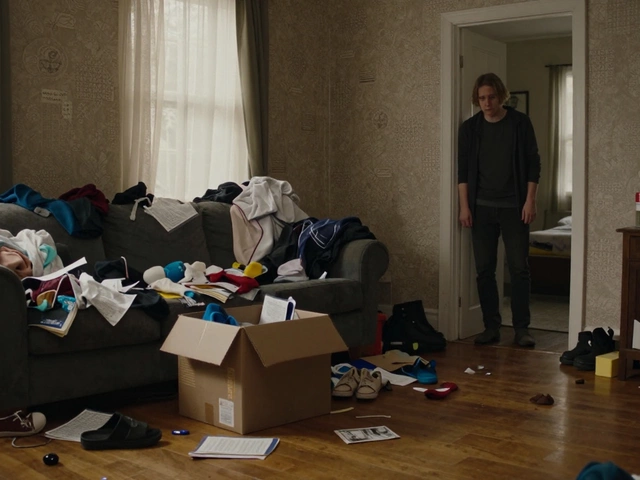
How to Organize a House Full of Clutter: A Simple Step-by-Step Plan
When you buy a rug, you’re not just buying the top layer—you’re buying the whole thing, including the rug backing, the hidden layer on the bottom that holds everything together and keeps the rug from sliding. Also known as rug underlay, it’s the unsung hero that stops your rug from bunching up, protects your hardwood or tile, and even makes your steps quieter. Without it, even the prettiest rug becomes a tripping hazard or a floor scratcher.
Rug backing isn’t one-size-fits-all. Some are made of natural rubber, which grips well and is safe for most floors. Others use synthetic latex or foam, which adds cushioning but might break down over time. Then there’s the basic woven backing—common on cheaper rugs—that offers little grip and wears out fast. If you’ve ever stepped on a rug and felt it slide sideways, that’s a sign the backing is weak or missing. A good backing doesn’t just hold the rug down—it helps it last longer, keeps dirt from grinding into your floor, and makes cleaning easier.
It’s not just about safety. The right backing can turn a thin, scratchy rug into something cozy underfoot. Think of it like the foundation of a house: if it’s shaky, everything above it suffers. That’s why some high-end rugs come with dual-layer backing—rubber for grip, foam for comfort. And if you’re putting a rug over hardwood or tile, a separate non-slip pad can make a huge difference. You don’t need to spend a fortune, but skipping backing entirely is like buying shoes without soles.
You’ll find clues about backing in the product details—look for terms like "non-slip," "latex-backed," or "reinforced." If the description doesn’t mention it, assume it’s minimal or low quality. The posts below cover real-world tests and comparisons: how to spot a rug with good backing, why some rugs slip even on carpet, and what materials actually work on hardwood. You’ll also find tips on choosing the right underlay, avoiding toxic backings, and extending your rug’s life with simple fixes. Whether you’re buying new or trying to save an old favorite, understanding rug backing makes all the difference.
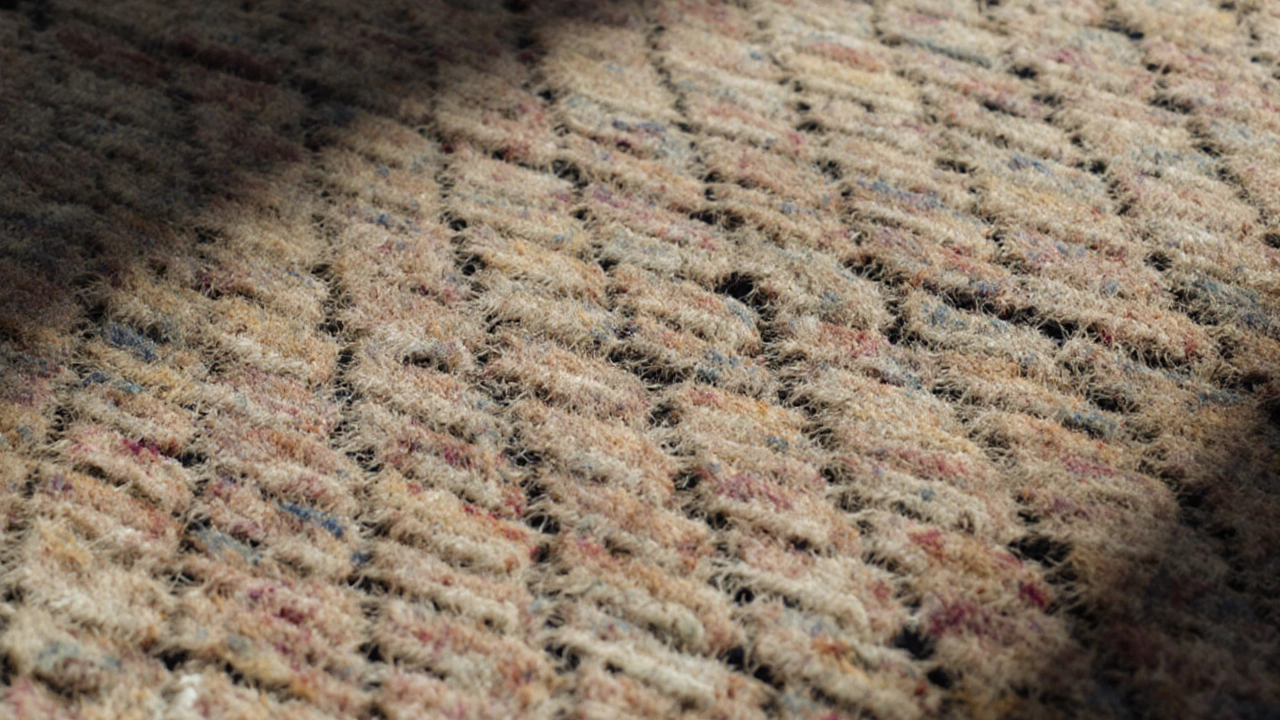
Learn how to spot a truly quality rug with 7 simple checks: knot count, pile feel, backing, fringe, smell, dyes, and origin. Avoid cheap imitations and invest in a rug that lasts decades.