
Apr 16, 2025
How Long Should a Cheap Sofa Last?
When you sit down on a cushion, what’s really supporting you? It’s not the fabric—it’s the cushion fill, the material inside that gives shape, support, and comfort. Also known as pillow stuffing, it’s the hidden hero of every sofa, chair, or floor pillow you rely on. Without the right fill, even the most beautiful cover can feel flat, lumpy, or like you’re sitting on a brick.
Not all cushion fill is created equal. Some use cheap polyester fibers that clump after a few months. Others use high-density foam that holds its shape for years. Then there’s down, memory foam, and even recycled materials—each with its own feel, lifespan, and use case. If you’re buying a new seat cushion for sciatica relief, you need something that cradles your tailbone without sinking too far. If you’re reupholstering a sofa, you want fill that bounces back after daily use. And if you’re just replacing a throw pillow, you might care more about softness than support.
The type of cushion fill, the material inside that gives shape, support, and comfort. Also known as pillow stuffing, it’s the hidden hero of every sofa, chair, or floor pillow you rely on. Without the right fill, even the most beautiful cover can feel flat, lumpy, or like you’re sitting on a brick. directly affects how long your furniture lasts. A low-density foam cushion might look fine at first, but after six months of use, it’ll sag and need replacing. High-density foam or a blend of foam and fiber usually lasts 5–10 years. Down fills are soft and luxurious but need fluffing and can trigger allergies. Memory foam molds to your body but can trap heat. And if you’ve ever sat on a donut-shaped cushion for sciatica relief, you know that the fill needs to be firm enough to take pressure off your tailbone—not so soft that it collapses under you.
What you choose depends on how you use it. A living room sofa? Go for durable, resilient fill. A reading chair? Softness matters more. A wheelchair or office seat? Support and pressure relief are key. Even the shape of the cushion matters—some fills work better in round, square, or contoured designs. And don’t forget the cover. A tightly woven fabric keeps fill from escaping, while a removable cover makes cleaning easier.
Below, you’ll find real advice from people who’ve been there—how to pick the right cushion fill for sciatica, why some cushions go flat too fast, and what materials actually hold up over time. No fluff. Just what works.
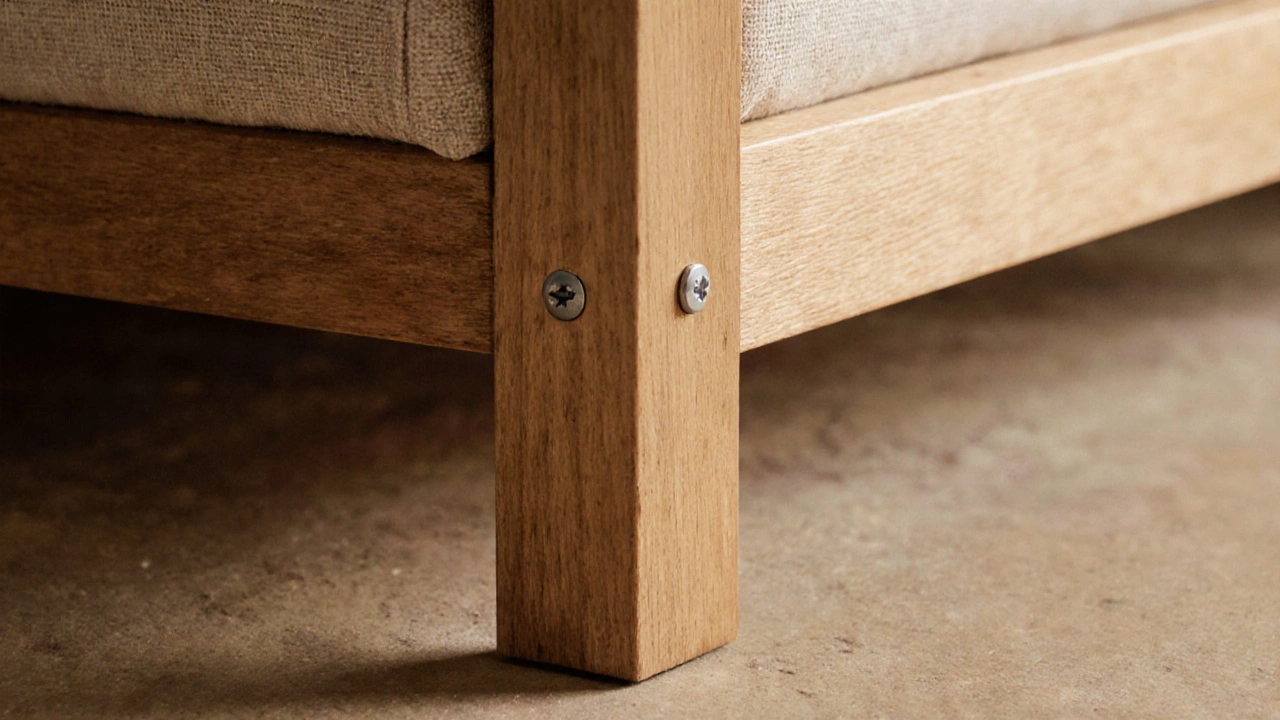
Learn how to spot a high-quality couch by checking the frame, cushion fill, springs, fabric, and warranty. These real-world tests help you avoid cheap furniture that won't last.