Curtain Length & Style Advisor
Select your options and click Analyze to see our recommendation.
There is a moment of panic for almost every homeowner who has ever hung curtains. You pull back the tape measure, look at the fabric pooling on your carpet, and wonder if you’ve made a massive mistake. Or perhaps your curtains hang two inches short, exposing a strip of bare wall that feels like an unfinished sentence. The question isn't just about aesthetics; it's about whether you've broken some unspoken law of interior design. The short answer? Yes, it is absolutely okay if your curtains don't touch the floor. In fact, depending on your room's function and style, they might look better that way.
We tend to treat design advice as rigid commandments, but in reality, curtain length is a tool. It dictates how light enters a room, how much space you feel you have, and even how easy your home is to clean. Let’s break down the different lengths, why each one works, and how to choose the right one without stressing over arbitrary rules.
The Three Main Rules of Curtain Length
When we talk about curtain length, we aren't guessing. There are three standard categories that designers use daily. Understanding these helps you decide what fits your life, not just what looks good in a magazine photo from 2015.
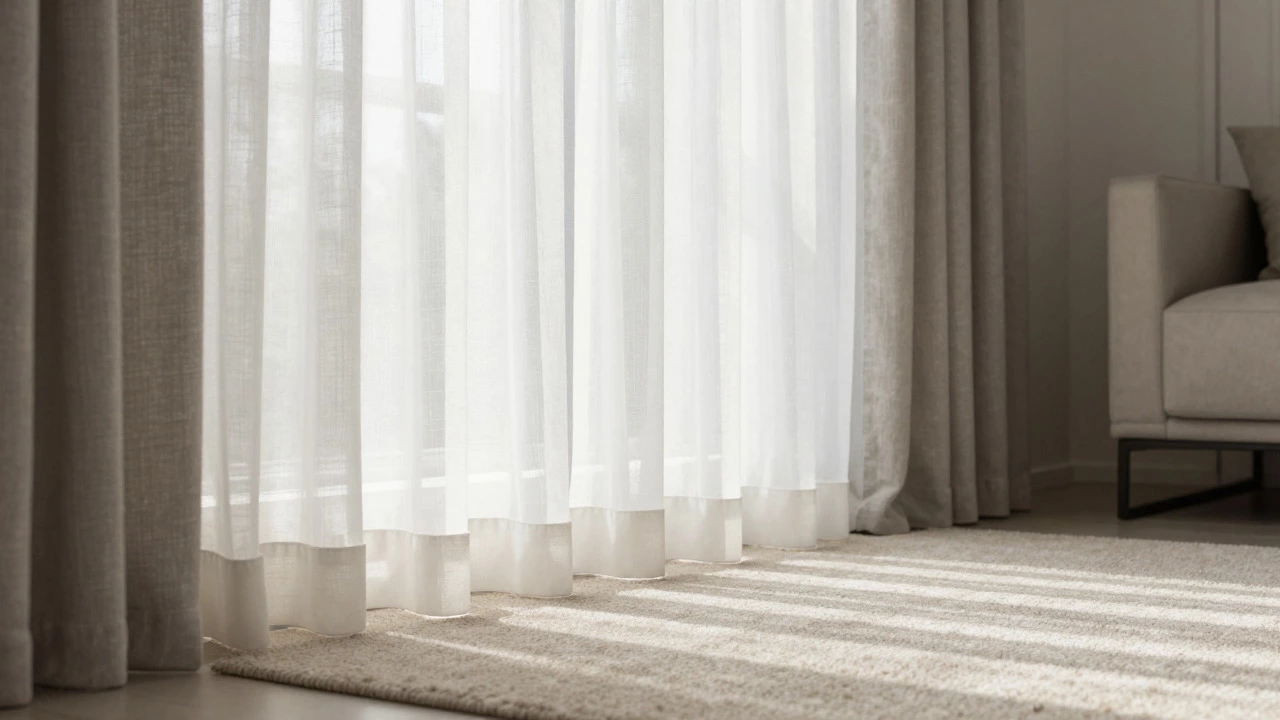
Kissing the Floor is the most popular modern standard. As the name suggests, the bottom edge of the curtain just barely touches the floor. It creates a clean, tailored line that makes ceilings look higher and rooms feel more polished. This is the go-to choice for living rooms, dining areas, and bedrooms where you want a sophisticated look without the hassle of sweeping up fabric. It strikes a balance between elegance and practicality.
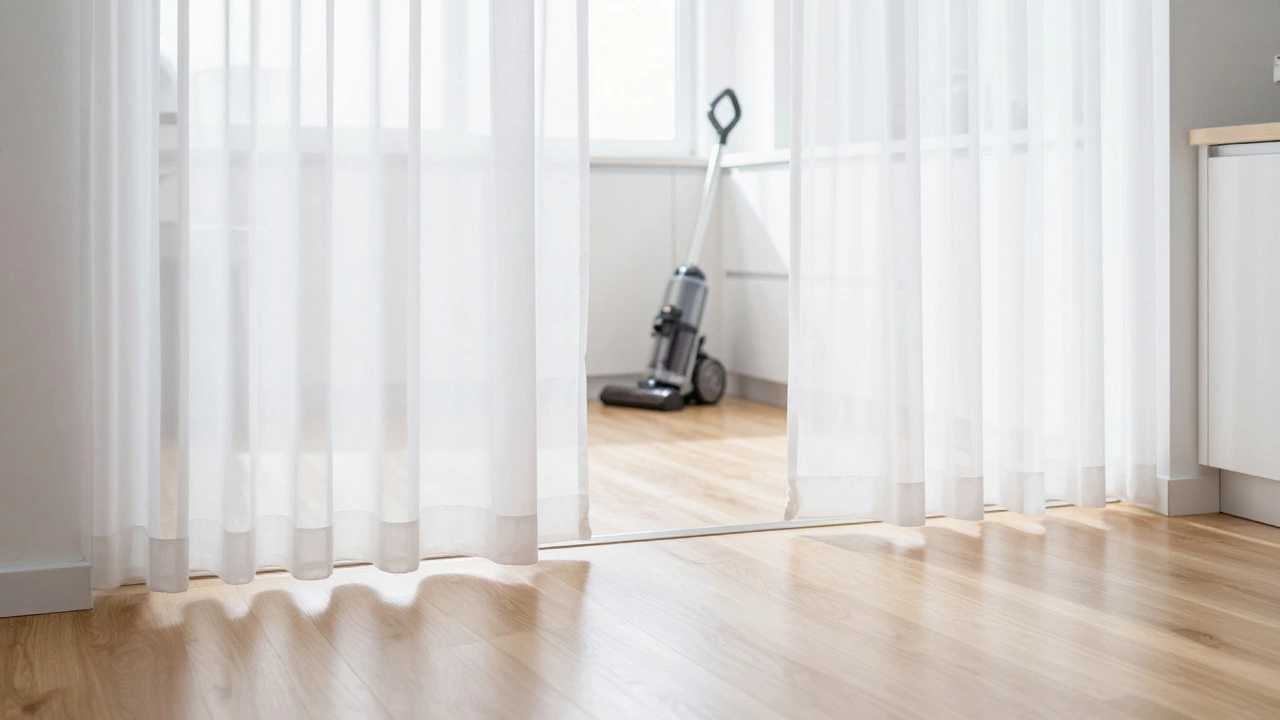
Floating or Hovering means the curtain ends 1 to 3 inches above the floor. This length was incredibly popular in the mid-20th century and has seen a resurgence in minimalist and industrial styles. It keeps the floor visible, which can make a small room feel larger and airier. More importantly, it’s a lifesaver for pet owners and parents with toddlers. No more dragging dirty fabric across the carpet or worrying about dogs chewing on hems. If you have hardwood floors that need frequent mopping, floating curtains keep things simple.
Puddling allows the curtain to rest on the floor and create soft folds or 'puddles' of fabric. This is the dramatic option. It screams luxury, old-world charm, and formal elegance. You’ll see this in high-end hotels, traditional Victorian homes, or spaces designed to feel cozy and enveloping. However, puddling requires more fabric (you need extra width to gather properly) and significantly more maintenance. Dust bunnies love puddled curtains. If you’re willing to vacuum under them weekly, this look adds undeniable warmth and texture to a room.
| Style | Distance from Floor | Best For | Maintenance Level |
|---|---|---|---|
| Kissing | 0 inches (touches) | Living rooms, bedrooms, modern decor | Low |
| Floating | 1-3 inches above | Kitchens, offices, pet-friendly homes | Very Low |
| Puddling | 1-8 inches below | Formal dining rooms, traditional decor | High |
Why Short Curtains Aren't Always a Mistake
If you walk into a kitchen or a bathroom, you rarely see long, flowing drapes. Why? Because functionality trumps fashion in wet or high-traffic zones. In a kitchen, long curtains can dip into soup pots or get caught in oven doors. Here, café curtains that cover only the lower half of the window or short panels that end just below the sill are practical choices. They let in light while providing privacy when needed.
In bathrooms, moisture is the enemy. Long curtains near showers or bathtubs will eventually absorb humidity, leading to mildew smells and stained fabric. A short curtain that clears the tub rim by several inches prevents water damage and makes cleaning the shower area easier. Don’t worry about breaking a rule here; nobody expects floor-length drama in a utility space.
Even in living areas, if you have radiators or heating vents along the wall beneath the window, long curtains can block airflow. This forces your HVAC system to work harder, raising energy bills. In these cases, keeping curtains shorter ensures heat circulates freely. It’s a smart move for both comfort and cost-saving.
How Room Function Dictates Your Choice
Your decision shouldn't start with trends; it should start with how you use the room. Ask yourself: Who is using this space, and what happens there?
- Bedrooms: Most people prefer black-out or thermal curtains here. Kissing the floor is ideal because it seals the gap where light leaks through. Puddling can add coziness, but ensure the fabric doesn't trap dust if you have allergies.
- Living Rooms: This is your social hub. Kissing the floor offers a clean backdrop for furniture. If you have a low coffee table, ensure the curtain doesn't drag behind chairs when you pull them out.
- Dining Rooms: Formal dining rooms often benefit from puddling to enhance the sense of occasion. Casual eat-in kitchens? Stick to floating or kissing lengths for ease of movement.
- Home Offices: Floating curtains are excellent here. They keep the space feeling open and professional without looking too stiff. Plus, they won't interfere with rolling office chairs.
Common Mistakes to Avoid When Measuring
Even if you pick the right style, bad measurements can ruin the look. One common error is measuring from the top of the window frame instead of the rod. Always measure from the point where the curtain hangs-usually the bottom of the grommet or the inside of the pocket-to the desired endpoint on the floor.
Another pitfall is forgetting about the stackback. When you open curtains, they bunch up on the sides. If your windows are narrow, wide curtains might block too much light when opened. Ensure your rod extends beyond the window frame by at least 4-6 inches on each side so the curtains sit outside the glass when pulled back.
Don’t ignore the floor type either. Carpets add height. If you’re aiming for a kiss-the-floor look on a plush rug, you might need slightly longer curtains than on hard tile. Test the placement before sewing or buying pre-made lengths. Lay the fabric on the floor to visualize the drape.

Can You Fix Curtains That Are Too Short or Long?
Absolutely. Buying off-the-shelf curtains often means dealing with imperfect lengths. If your curtains are too long, you have two options: hem them yourself or take them to a tailor. Hemming is straightforward if you have a sewing machine. Fold the excess fabric up, pin it, and stitch a clean edge. For those without sewing skills, iron-on hem tape works well for lightweight fabrics.
If your curtains are too short, you can add a valance at the top to draw the eye upward, making the window appear taller. Alternatively, attach a decorative border or fabric panel to the bottom, though this can look bulky if not done carefully. Sometimes, simply hanging the rod higher-closer to the ceiling-creates the illusion of length without altering the fabric.
The Psychology of Window Treatments
Curtains do more than block light; they shape perception. Long, continuous lines guide the eye vertically, making ceilings seem higher. This is why designers recommend mounting rods close to the ceiling, regardless of curtain length. Short curtains, by contrast, can cut the visual flow of a room, making walls feel lower. If you have low ceilings, avoid café-style curtains unless you pair them with tall, vertical blinds or other elements that draw attention up.
Color and pattern also interact with length. Bold patterns in long curtains can overwhelm a small room. In such cases, shorter, simpler curtains keep the space balanced. Neutral tones in puddled curtains add texture without chaos, while bright colors in floating curtains pop against bare walls.
What is the best curtain length for a small room?
For small rooms, "kissing the floor" or slightly floating (1 inch above) is usually best. These lengths maintain vertical continuity, making the ceiling appear higher. Avoid heavy puddling, which can clutter the floor and make the space feel smaller.
Do curtains need to be symmetrical in length?
Yes, ideally. Uneven curtains look unintentional and messy. If your floor is uneven, hem each panel individually after hanging them to ensure they meet the floor evenly. This takes extra time but pays off in a polished look.
Is it okay to have different curtain lengths in the same room?
Generally, no. Mixing lengths in the same window treatment looks disjointed. However, you can layer short sheer curtains with longer blackout panels for functional variety, provided the outer layer maintains a consistent length.
How do I measure for curtains if I have a sloped ceiling?
Measure from the rod to the floor at the center of the window and at both edges. Use the longest measurement to ensure coverage. You may need to custom-hem the sides to match the slope, or accept a slight gap if the angle is minor.
Should curtains touch the window sill?
Only if you want a casual, utilitarian look, typically in kitchens or bathrooms. For most rooms, letting curtains clear the sill entirely allows for easier cleaning and better light control when open.