Bathroom Coziness Calculator
Assess Your Current Space
Check the boxes that apply to your current bathroom setup.
Most bathrooms feel like sterile waiting rooms. You walk in, the light is harsh, the surfaces are cold, and the air smells like nothing or worse-like chemicals. It’s not just you; it’s the design. We treat bathrooms as purely functional spaces, ignoring the fact that they are often the first place we wake up and the last place we relax before sleep.
Making a bathroom cozier doesn’t require a full renovation or a budget that rivals a hotel chain. It’s about shifting the sensory experience from clinical to comforting. You can transform a stark tile box into a personal sanctuary by focusing on light, texture, scent, and clutter control. Here is how to do it without losing your mind or your savings.
Softening the Light Temperature
The biggest mistake people make with bathroom lighting is assuming brightness equals cleanliness. In reality, bright white LED bulbs (usually 4000K to 6000K) create a hospital-like glare that strips away warmth instantly. To fix this, you need to lower the color temperature of your light sources.
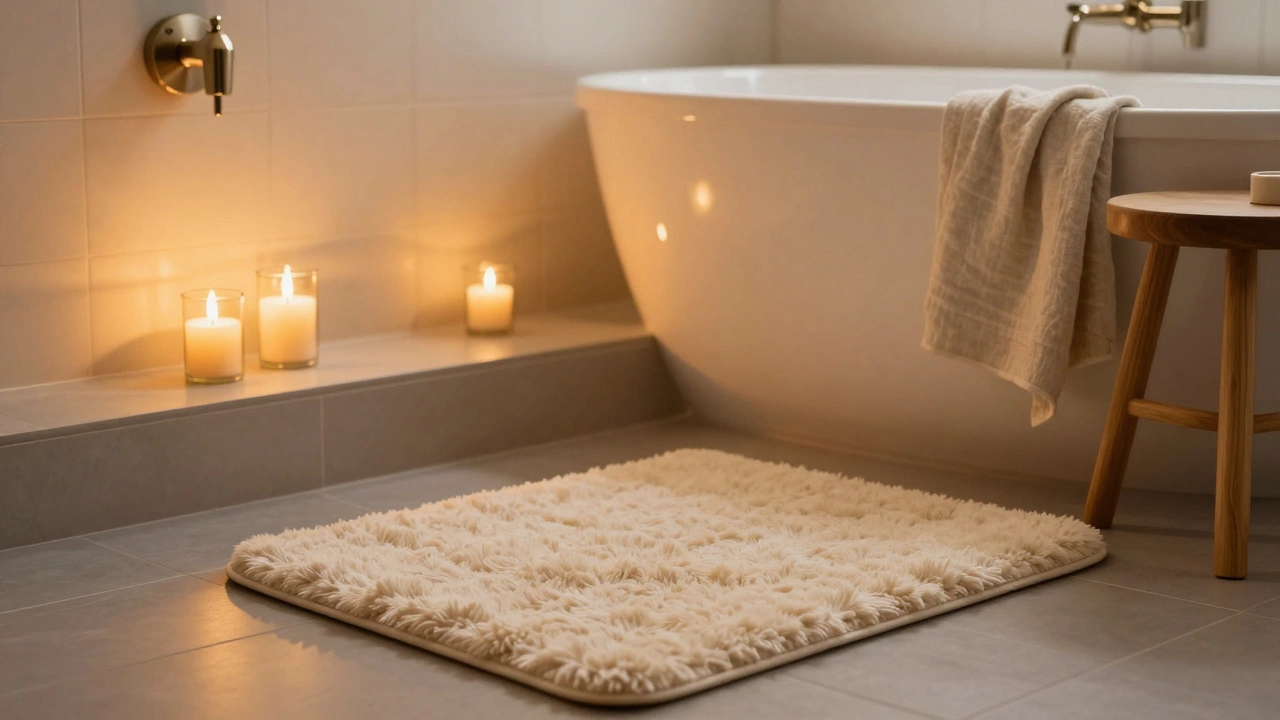
Swap out those harsh overhead fixtures for bulbs rated between 2700K and 3000K. This creates a golden, amber glow that mimics natural sunset light, which naturally signals your brain to relax. If you cannot change the main ceiling fixture, layer in secondary light sources. Plug-in sconces that clamp onto mirrors or sit on shelves work wonders. Even simple battery-operated LED candles placed in glass jars on the bathtub ledge add a flickering, organic movement that static lights lack.
Consider installing dimmer switches if you haven’t already. Being able to drop the light level at night changes the entire mood of the room. When you’re brushing your teeth at 10 PM, you don’t need surgical precision lighting; you need ambiance. Layering these softer light sources ensures the room feels inviting rather than interrogative.
Introducing Soft Textures
Bathrooms are dominated by hard surfaces: ceramic tiles, porcelain sinks, glass shower doors, and metal fixtures. These materials reflect sound and cold, making the space feel echoey and chilly. The antidote is textile density.
Start with your floors. A thin bath mat does little more than catch drips. Invest in a plush, high-pile rug made from memory foam or thick cotton terry. Your feet should sink into it, providing immediate physical comfort the moment you step out of the shower. Next, look at your towels. Standard hotel-style towels are durable but often stiff. Upgrade to Turkish cotton or bamboo blends, which are softer to the touch and absorb water faster. Hang them neatly, but avoid overcrowding the rack so each towel has room to breathe and dry properly.
Don’t overlook the walls. If you have open shelving, drape a lightweight linen throw over a hook or lay one across the back of a wooden stool. Linen adds visual softness without absorbing too much moisture, unlike heavy wool which can smell musty in humid environments. These fabric elements break up the hard lines of the architecture and introduce tactile warmth.
Mastering Scent and Air Quality
A cozy bathroom must smell good, but "good" shouldn't mean overpowering synthetic floral spray. Strong artificial fragrances clash with humidity and can trigger headaches. Instead, aim for subtle, earthy, or clean scents that linger gently.
Use reed diffusers with essential oils like eucalyptus, lavender, or cedarwood. Place them near the door or on a vanity shelf where airflow can carry the scent subtly throughout the room. Avoid placing them directly next to the shower where steam might dilute the oil too quickly or cause mold growth on the container.
If you prefer candles, opt for soy or beeswax varieties in ceramic vessels. They burn cleaner and longer than paraffin. Lighting a candle during a bath isn't just a cliché; the low flame combined with the scent creates a psychological cue for relaxation. For a non-flame option, consider an electric aroma diffuser that runs on a timer, ensuring the room smells fresh when you enter in the morning without wasting wax or oil overnight.
Decluttering for Mental Space
Clutter is the enemy of coziness. Visual noise creates mental stress. When you look around your bathroom and see expired medications, tangled hair ties, half-empty shampoo bottles, and loose receipts, your brain registers chaos. A cozy space feels curated and calm.
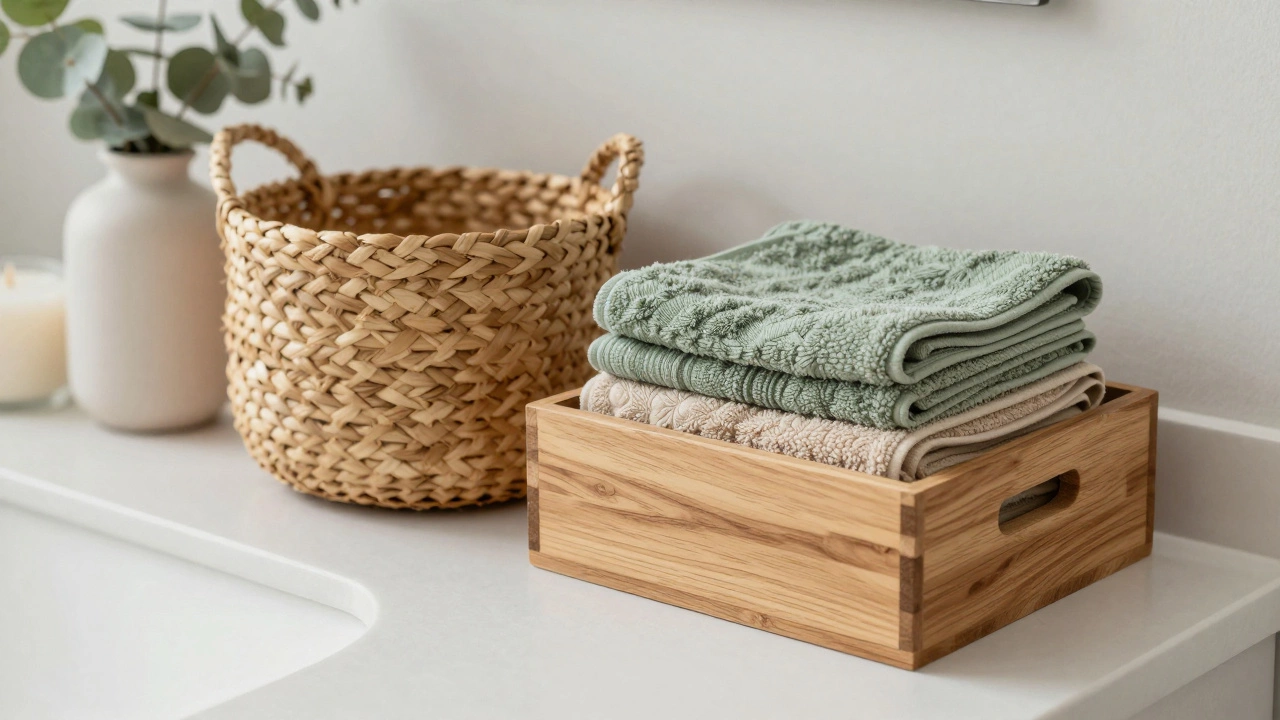
Conduct a ruthless purge. Throw away anything older than six months, especially makeup and skincare products. Use opaque containers to hide necessary items. Clear acrylic organizers are trendy, but they still show the contents inside. Solid wood boxes, woven baskets, or ceramic jars hide the mess while adding aesthetic value.
Keep only daily essentials visible on the countertop. Everything else should be stored in cabinets or drawers. If you lack cabinet space, install floating shelves above the toilet tank or use the side of the vanity with magnetic strips for metal tools. The goal is to have empty negative space on your surfaces. Empty space allows the eye to rest, making the room feel larger and more serene.
Incorporating Natural Elements
Bringing nature indoors bridges the gap between the sterile interior and the living world outside. Plants add life, color, and a sense of freshness that paint alone cannot achieve. However, bathrooms present unique challenges: high humidity and often low light.
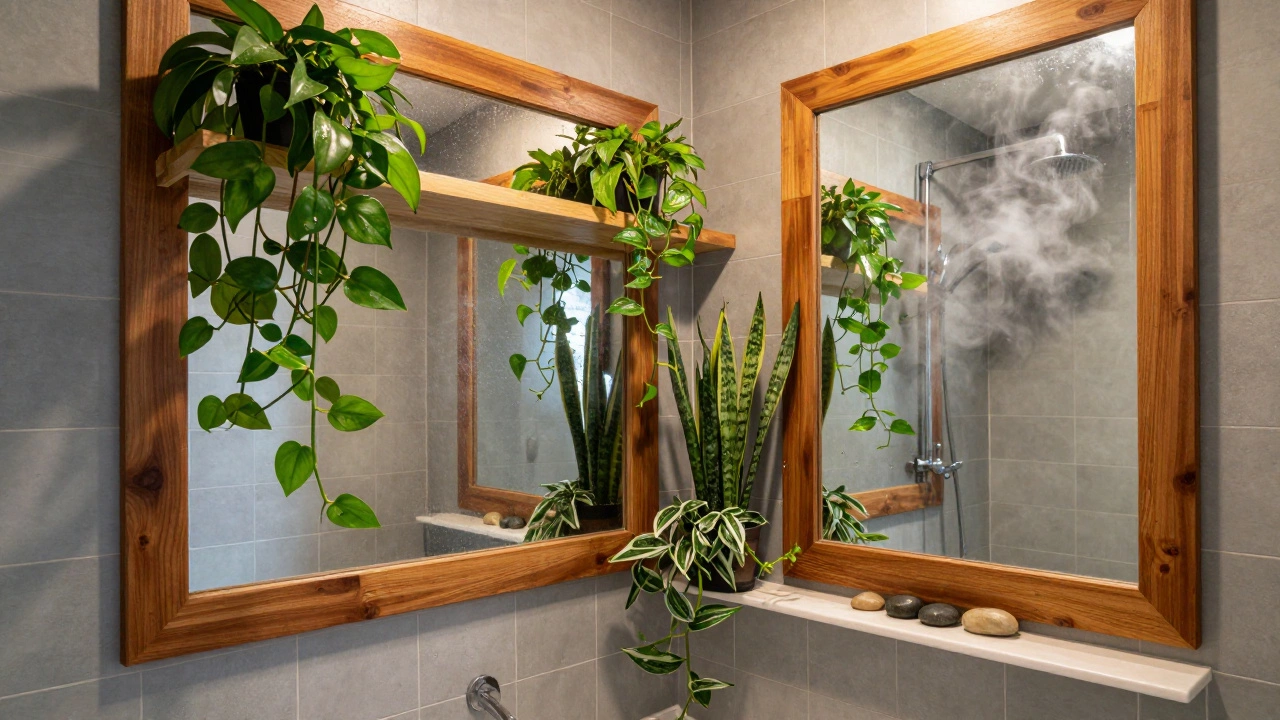
Choose plants that thrive in damp conditions. Snake plants, pothos, and ferns are excellent choices because they tolerate indirect light and love moisture. Place them on windowsills, hanging from hooks, or on top of tall storage units. If your bathroom has no window, stick to artificial plants that look realistic-high-quality silk ferns or eucalyptus sprigs in vases work well here.
Natural materials also count. Swap plastic toothbrush holders for stone or wood ones. Use a wooden tray to organize soap and lotions. Wood warms up the cool tones of white tiles and gray grout. Just ensure any wood used is sealed properly to prevent warping from steam. These small material shifts signal to your subconscious that you are in a natural, grounded environment rather than a factory setting.
| Material | Pros | Cons | Best Use |
|---|---|---|---|
| Cotton Terry | Highly absorbent, soft, breathable | Can mildew if not dried fully | Towels, bath mats |
| Linen | Dries quickly, elegant drape, hypoallergenic | Less absorbent than cotton | Hand towels, decorative throws |
| Bamboo | Sustainable, antimicrobial, silky feel | Can pill over time | Towels, washcloths |
| Memory Foam | Superior cushioning, heat retention | Expensive, takes long to dry | Floor rugs, kneeling pads |
Personalizing with Art and Mirrors
Generic stock art or bare walls make a bathroom feel temporary. Adding personal touches makes it yours. However, humidity can ruin paper prints and canvas paintings. You need waterproof solutions.
Invest in framed artwork specifically designed for bathrooms, using sealed glass and acid-free backing. Abstract prints with warm colors-oranges, deep blues, greens-add emotional depth. Alternatively, hang a large mirror with a wooden frame. Mirrors reflect light, making small bathrooms feel bigger, while the wood frame adds the necessary warmth mentioned earlier.
If you have a niche in the shower or a corner of the tub, place a few smooth river stones or a small sculpture. These objects serve as focal points that draw the eye away from plumbing fixtures. The key is intentionality. Every object should either serve a function or bring you joy. If it does neither, it belongs in the trash.
Maintaining the Atmosphere
Creating a cozy bathroom is easy; keeping it that way requires routine. Humidity breeds mold, which destroys aesthetics and health. Run your exhaust fan during and for 20 minutes after every shower. Wipe down glass surfaces weekly to prevent water spots that make the room look dirty.
Rotate your linens regularly to ensure they stay fresh and fluffy. Wash towels in hot water with vinegar occasionally to remove soap buildup that makes them feel scratchy. Keep your cleaning supplies hidden but accessible. A clean bathroom is inherently more relaxing than a dirty one, regardless of how many candles you burn.
What is the best color scheme for a cozy bathroom?
Warm neutrals like beige, cream, taupe, and soft greys create the most inviting atmosphere. Earth tones such as sage green, terracotta, or muted blues also work well. Avoid stark whites paired with chrome, as this combination feels clinical. Instead, pair off-whites with brass, gold, or matte black fixtures to add contrast and warmth.
How can I make a small bathroom feel cozier without cluttering it?
Focus on vertical storage and multi-functional items. Use floating shelves to keep countertops clear. Choose a single, high-quality rug rather than multiple small mats. Stick to a limited color palette to unify the space. Mirrors are essential in small bathrooms as they double the visual space and reflect light, making the room feel airy yet intimate.
Are real plants safe for humid bathrooms?
Yes, many plants thrive in humidity. Snake plants, ZZ plants, and Boston ferns are ideal because they tolerate low light and high moisture levels. Ensure they have drainage holes to prevent root rot. If your bathroom has no natural light, opt for high-quality artificial plants to maintain the aesthetic without the maintenance risk.
What type of lighting creates the most relaxing bathroom ambiance?
Warm white light with a color temperature of 2700K to 3000K is best for relaxation. Avoid cool white or daylight bulbs (5000K+) which are too harsh. Layer your lighting by combining overhead ambient light with task lighting near the mirror and accent lighting like sconces or candles to create depth and shadow, which adds to the cozy feel.
How do I prevent my cozy textiles from smelling musty?
Ensure good ventilation by running the exhaust fan during showers. Hang towels spread out so they dry completely between uses. Wash bath mats and towels frequently in hot water. Add a cup of white vinegar to the rinse cycle occasionally to neutralize odors and soften fibers. Avoid leaving wet clothes or towels piled up in the hamper for extended periods.