3-Seater Sofa Cushion Planner
Recommendation
*Visualization shows proportional placement. Actual sizes may vary.
There is nothing quite as frustrating as buying a beautiful set of throw pillows that look amazing on the website but turn your couch into a chaotic mess once you get them home. You want that cozy, magazine-worthy look, but you also need to be able to actually sit down without launching three velvet squares across the room. If you are staring at a standard 3-seater sofa, wondering exactly how many cushions belong there, you are not alone. It is one of those interior design dilemmas where everyone has an opinion, but few have a concrete rule.
The short answer? For most people, the sweet spot is between four and six cushions. But getting it right isn't just about counting; it's about balance, scale, and function. Let's break down the math behind the comfort so you can style your living room with confidence, not guesswork.
The Golden Ratio: Why Four Is Usually Enough
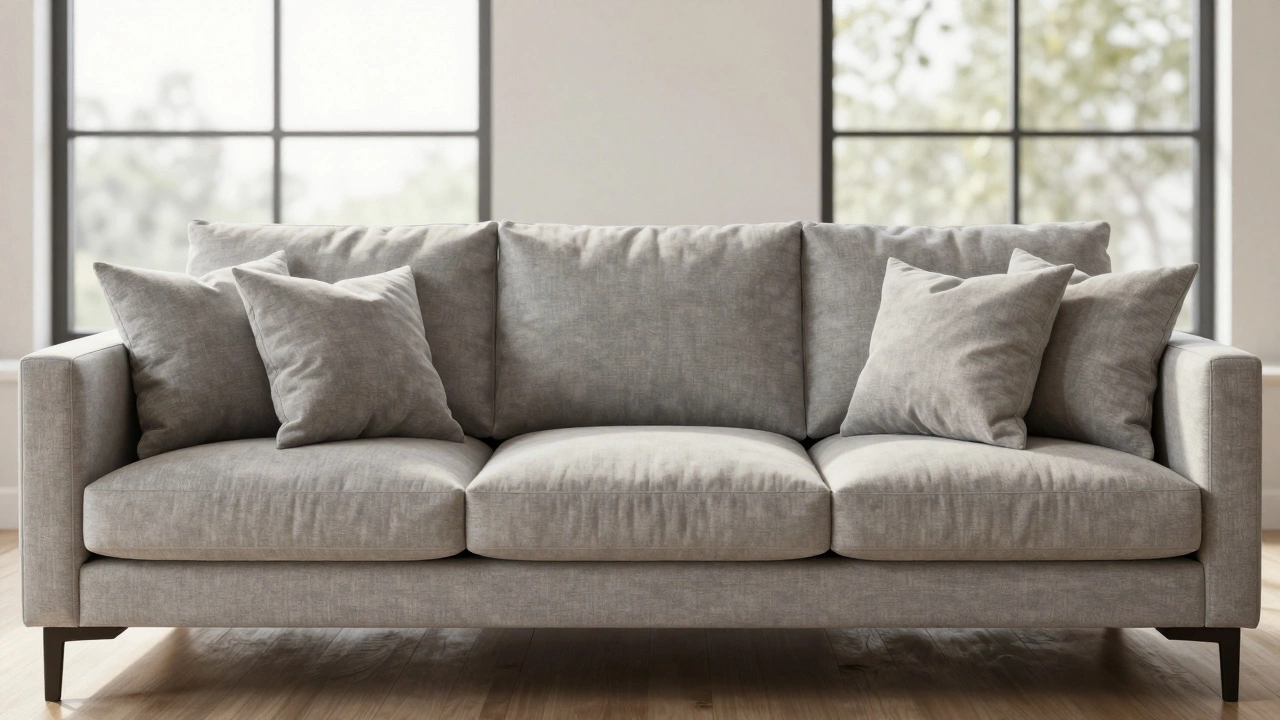
If you prefer a clean, modern aesthetic or live in a smaller apartment, start with four cushions. This number works because it creates symmetry without overwhelming the seating area. Think of your three-seater sofa as having three distinct zones: the left armrest, the center seat, and the right armrest.
Placing two cushions on each end leaves the middle open for sitting. This setup respects the primary function of the furniture while adding visual weight to the corners. It prevents the "hotel lobby" look where every inch of fabric is covered in decor. When you use four cushions, you have enough room to mix textures-perhaps a chunky knit next to a smooth linen-without creating a cluttered vibe. This approach is particularly effective if your sofa has deep seats or high arms, as the cushions will nestle nicely rather than slide off.
- Symmetry: Two on the left, two on the right.
- Function: Keeps the center seat fully accessible.
- Vibe: Minimalist, airy, and intentional.
Going Big: When Six Cushions Make Sense
Now, let's talk about the "lived-in" look. If you love that cozy, layered style seen in boutique hotels or Scandinavian homes, you might lean toward six cushions. This number allows for more variety in size and shape. Instead of just square pillows, you can introduce lumbar supports, bolsters, or even a rectangular cushion along the back.
With six cushions, the arrangement becomes less rigid. You might place three against the backrest and three slightly forward, creating depth. Or, you could cluster them asymmetrically-one side heavy with texture, the other lighter with color. This works best if your sofa has a lower back profile or if you tend to lounge rather than sit upright. Just remember: if you go for six, ensure they aren't all the same size. Uniformity kills interest. Mix a 18-inch square with a 20-inch square and maybe a long lumbar pillow to keep things dynamic.
The Danger Zone: Seven or More
I have to be honest here: unless you have a massive sectional or a sofa with unusually wide arms, seven or more cushions on a standard 3-seater is usually too much. It turns your seating area into a storage unit for soft goods. Guests will hesitate to sit, and you will find yourself constantly rearranging them when you finally do plop down.
However, there is an exception. If your sofa has extra-wide arms (think 12 inches or more), you can treat the arms as part of the display surface. In this case, you might add a small decorative pillow resting on the arm itself, pushing your total count higher. But for the average sofa found in New Zealand homes or typical urban apartments, stick to the four-to-six range. Anything beyond that risks looking cluttered rather than curated.
Size Matters: Matching Pillows to Your Sofa
The number of cushions you choose depends heavily on their dimensions. A common mistake is using pillows that are too small for the sofa, making the piece look bulky and awkward. Conversely, pillows that are too large can make the sofa feel cramped.
| Pillow Size (Inches) | Best For | Visual Impact |
|---|---|---|
| 16x16 | Small sofas, minimal looks | Dainty, subtle |
| 18x18 | Standard 3-seaters | Balanced, classic |
| 20x20 | Large or deep sofas | Cozy, substantial |
| 12x20 (Lumbar) | Adding height/depth | Elegant, structural |
For a typical 3-seater that is about 84 inches wide, 18-inch squares are the workhorse. They are large enough to provide support but small enough to allow for movement. If you opt for 20-inch squares, you might only need three or four to fill the space effectively. Always measure your sofa's seat depth before buying. If the seat is shallow, large pillows will hang over the edge, which looks messy.
Texture and Color: Creating Visual Interest
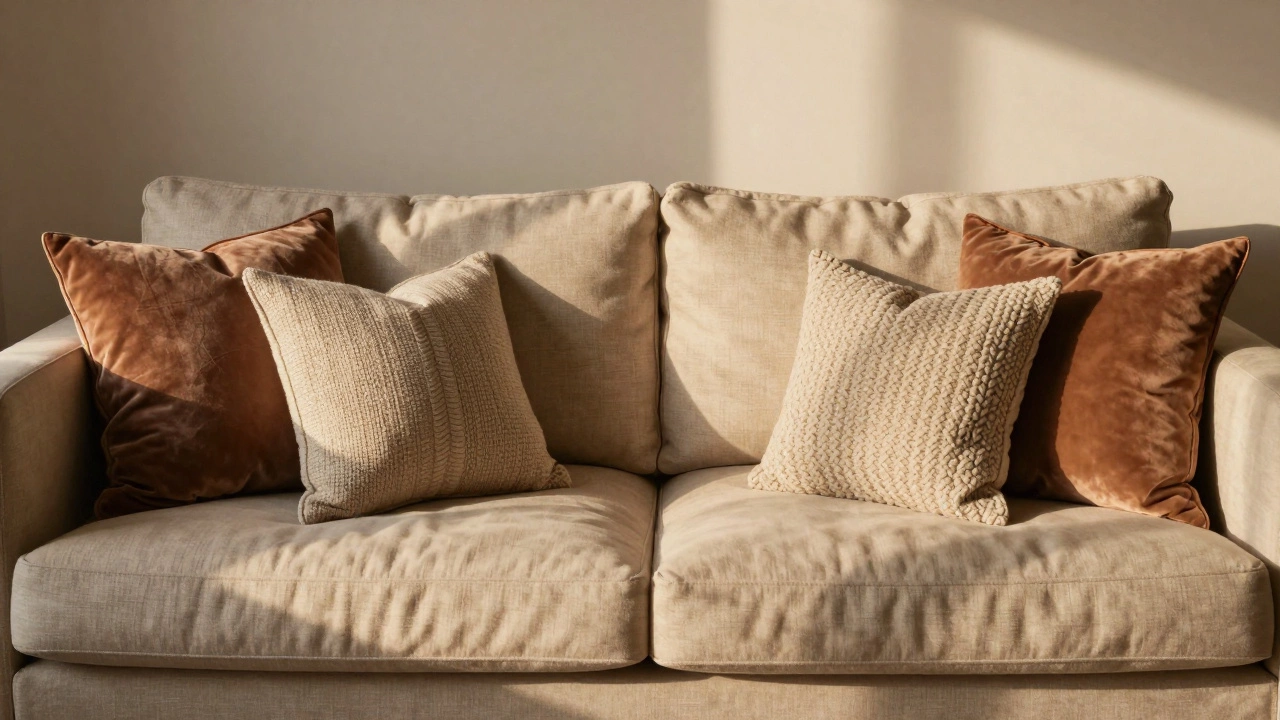
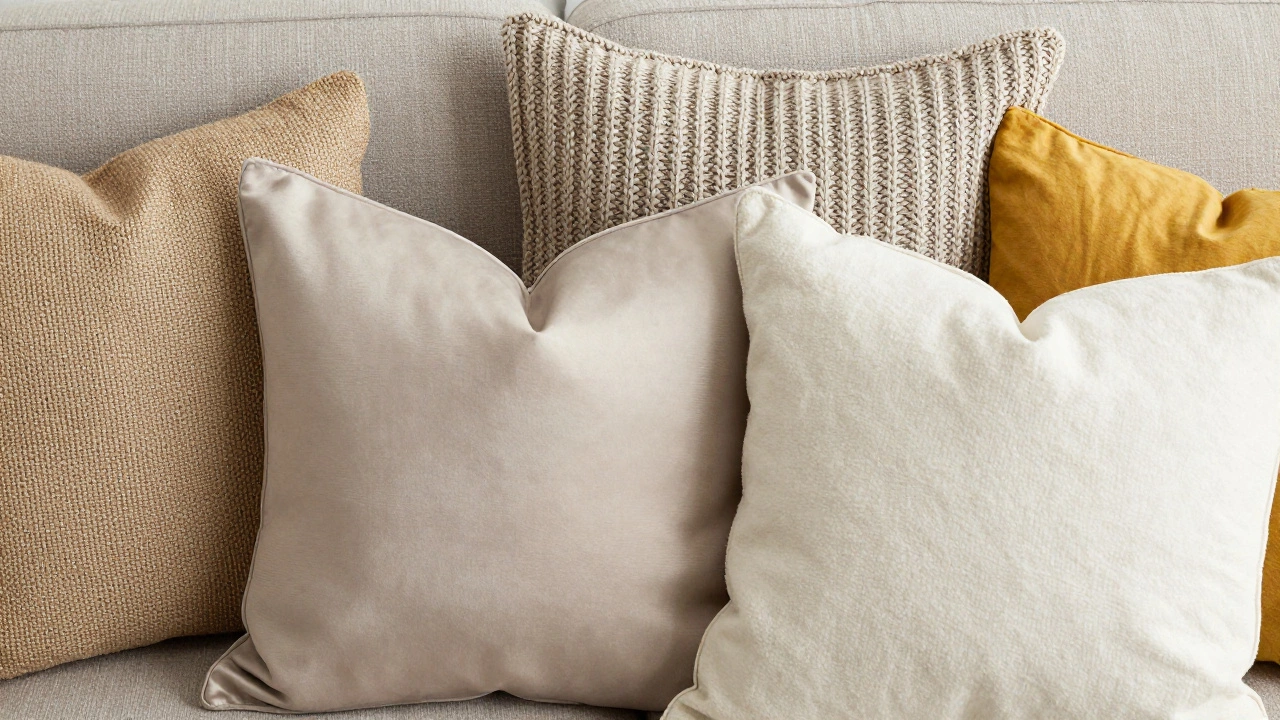
Once you have settled on the number, focus on the materials. A sea of identical cotton blends can look flat, especially under artificial lighting. Introduce contrast. Pair a rough burlap or jute pillow with a sleek silk or satin one. Combine matte fabrics with shiny ones. This interplay catches the light differently throughout the day, keeping your living room feeling fresh.
Color-wise, follow the 60-30-10 rule adapted for textiles. Let 60% of your cushions match or complement the sofa's base color. Use 30% for a secondary pattern or texture, and reserve 10% for a bold accent color. For example, if you have a grey sofa, use charcoal greys for the majority, introduce a herringbone pattern in beige, and add one pop of mustard yellow. This ensures cohesion without boredom.
Practical Tips for Daily Life
Living with styled cushions means dealing with reality. Kids, pets, and movie nights will disrupt your perfect arrangement. Here is how to maintain the look without losing your mind:
- Use Inserts Wisely: Cheap foam inserts flatten quickly. Invest in down-alternative or shredded memory foam inserts that hold their shape after being sat on. This makes fluffing them up again a quick task.
- Zipper Placement: Buy covers with hidden zippers. Visible zippers break the clean line of the pillow and can snag clothing.
- The "Fluff" Routine: Set a timer on your phone for Sunday mornings. Take five minutes to plump and reposition your cushions. It takes less time than you think and makes a huge difference in how put-together your home feels.
- Seasonal Swaps: Rotate your cushion collection twice a year. Swap out heavy wools for light linens in summer. This keeps your decor feeling current and extends the life of your fabrics by giving them a rest.
Common Mistakes to Avoid
Even experienced decorators slip up sometimes. One frequent error is placing all cushions against the backrest. This creates a static, stiff look. Instead, angle some pillows forward or stack them slightly. Another pitfall is ignoring the sofa's legs. If your sofa sits low to the ground, tall, bulky pillows can make it look like it is sinking. Keep the proportions in check.
Also, avoid matching everything perfectly. A set of eight identical pillows from a department store sale might seem convenient, but it lacks personality. Curate your collection over time. Pick up unique finds at local markets or thrift stores. This adds character and tells a story about your taste.
Can I use different sizes of cushions on one sofa?
Absolutely. Mixing sizes is actually recommended for a more dynamic look. Try combining 18-inch squares with 20-inch squares or adding a long lumbar pillow. Just ensure the colors or textures tie them together so it doesn't look random.
How do I stop cushions from sliding off the sofa?
Use non-slip sofa pads underneath the cushions, or choose covers made from natural fibers like cotton or wool, which have more grip than synthetic materials like polyester. You can also sew small loops onto the inside of the cover and attach them to buttons on the sofa frame if you are handy.
Is it better to have odd or even numbers of cushions?
It depends on your style preference. Even numbers (like 4 or 6) create symmetry and balance, which suits traditional or modern minimalist styles. Odd numbers (like 5) can create a more relaxed, asymmetrical look. However, 4 and 6 are generally safer bets for a standard 3-seater.
What is the best material for sofa cushions?
Cotton and linen are great for breathability and a casual look. Velvet adds luxury and warmth, ideal for cooler climates. For households with pets or kids, microfiber or performance fabrics like Sunbrella are durable and easy to clean. Choose based on your lifestyle first, aesthetics second.
Should I replace my sofa cushions regularly?
If the foam inside is flattened and no longer supportive, yes. You don't always need new covers, though. Often, replacing just the inner insert can revive the look and feel of your pillows. Look for inserts labeled "high-resilience" for longer-lasting comfort.