Medicare Lift Chair Approval Tracker
Use this interactive tool to ensure you haven't missed any critical steps in getting your lift chair covered by Medicare Part B.
Consult Doctor & Get Letter of Medical Necessity
Ensure your doctor documents severe joint deformity, arthritis, or inability to stand without assistance.
Find a Participating Supplier
Locate a DME supplier using the Medicare Provider Finder who accepts assignment.
Measure Home & Verify Fit
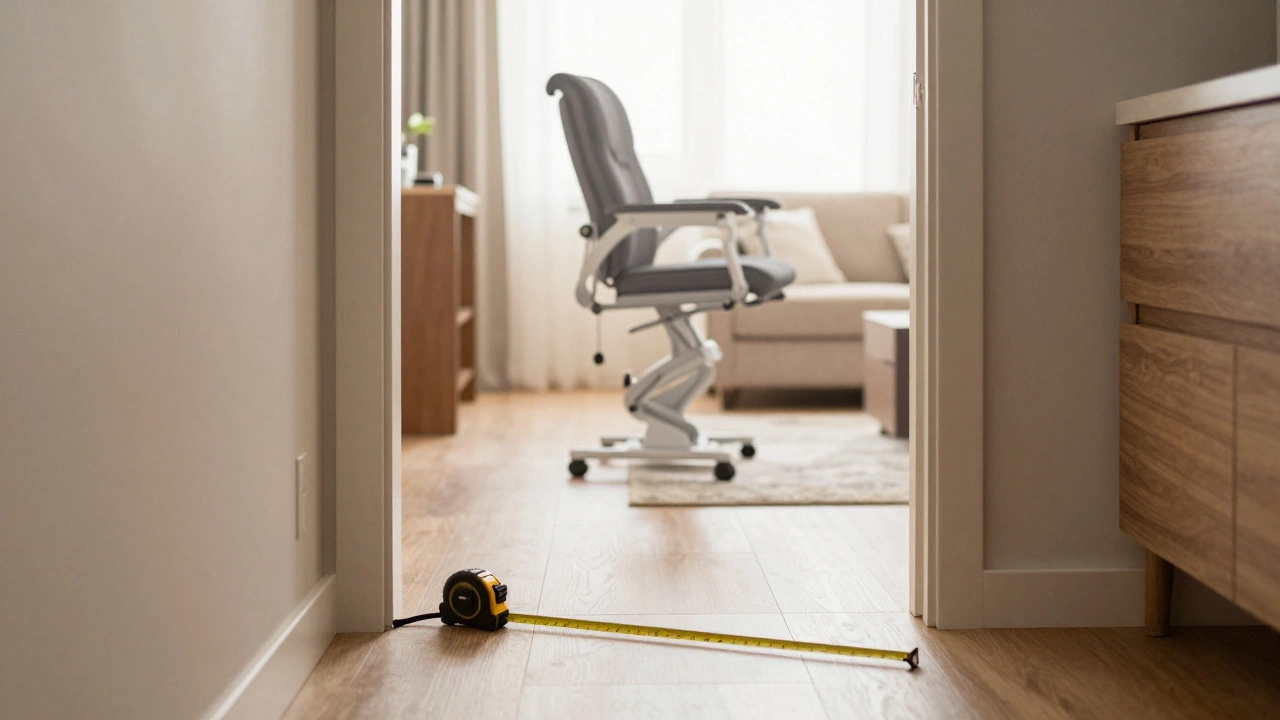
Check doorways and hallways to ensure the chair fits. Confirm leg length matches lift height.
Submit Claim & Wait for Approval
Supplier submits LMN. Wait for official approval before taking delivery.
Pay Coinsurance & Secure Cushions
Pay your share. Ensure you have a separate prescription for pressure-relief cushions if needed.
Quick Cost Estimator
Estimate your out-of-pocket cost based on typical pricing.
*Excludes unmet deductible.
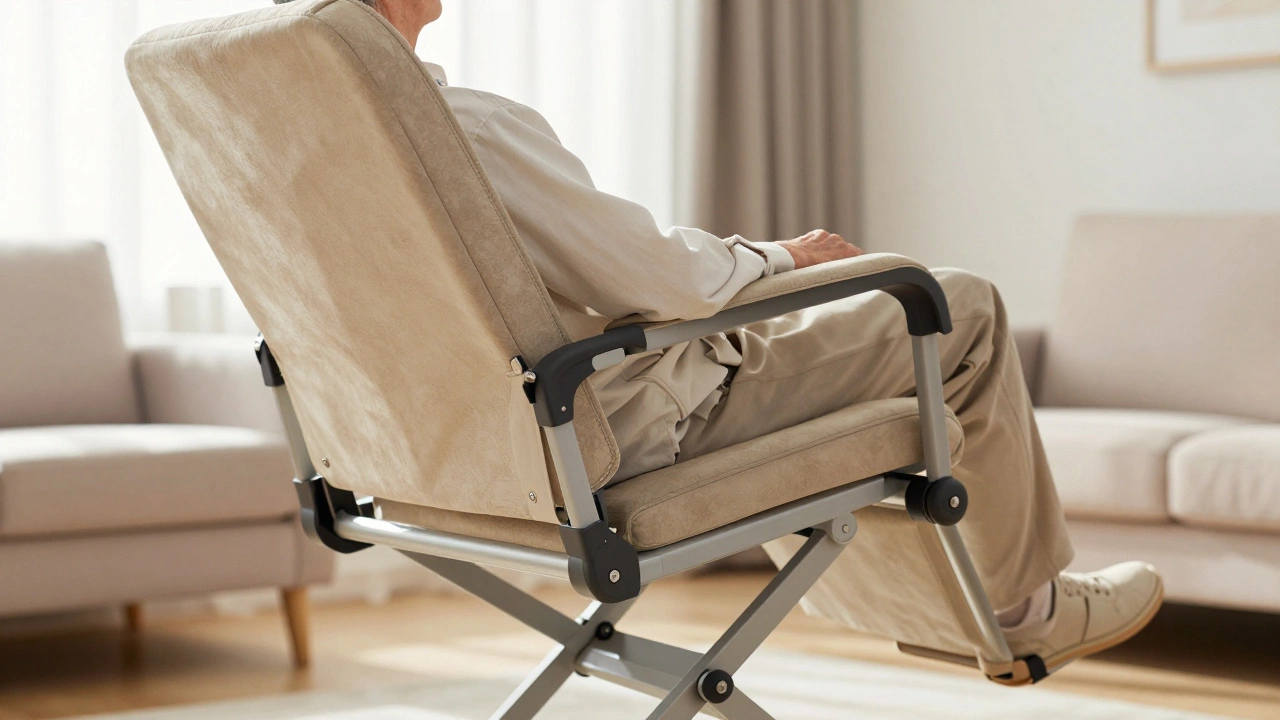
You’ve heard the term “chairlift” before. Usually, it’s about skiing. You strap in, you go up the mountain, and you enjoy the view. But if you’re asking this question because of a health issue, mobility struggle, or an aging parent, you aren’t talking about slopes. You’re likely asking about **lift chairs**-those motorized recliners that help people stand up without using their legs much.
It is a confusing mix-up of terms. In the medical world, there are no “chairlifts.” There are, however, Lift Chairs (Power Recliners) which are designed to assist with transfers from sitting to standing. The good news? Yes, Medicare can cover them. The bad news? It isn’t as simple as handing over your card at a furniture store. You have to navigate specific rules, doctor orders, and strict definitions.
The Real Name: Lift Chairs vs. Power Recliners
Before we talk money, we need to clear up what you are actually buying. This distinction matters more than you think when dealing with insurance claims.
A standard power recliner costs between $800 and $3,000. It has a motor to tilt back and maybe lift your legs. Medicare will never pay for this. It is considered home comfort furniture. If you want one of these, you pay out of pocket.
A Lift Chair (a piece of Durable Medical Equipment (DME) that uses a mechanical mechanism to assist a person in moving from a seated position to a standing position) is different. It must have a specific lift mechanism. When activated, the seat tilts forward and lifts the user upright. This reduces strain on the knees and hips. Medicare covers this only if it meets strict medical criteria.
| Feature | Lift Chair (Medical) | Power Recliner (Furniture) |
|---|---|---|
| Primary Function | Assists standing/transfers | Comfort and relaxation |
| Mechanism | Forward-tilting lift system | Backward reclining motor |
| Medicare Coverage | Potentially covered under Part B | Never covered |
| Prescription Required? | Yes, mandatory | No |
How Medicare Covers Lift Chairs
If you qualify, Medicare Part B pays for lift chairs under the category of Durable Medical Equipment (DME). Here is how the payment usually breaks down:
- Medicare Pays: 80% of the approved amount for the chair.
- You Pay: 20% coinsurance plus any unmet deductible.
However, most people do not buy new chairs. Why? Because Medicare often requires you to rent first or use a supplier who participates in the program. Many suppliers offer a “buy-out” option where you pay the remaining balance after a certain number of months (usually 13) to own the chair outright. This can be cheaper than buying a brand-new unit from a non-participating vendor.
Important note: Medicare does not cover the cost of the chair frame forever if you rent it indefinitely. They also won’t pay for luxury features like leather upholstery, massage functions, or extra-wide seats unless those are medically necessary and documented.
The Strict Rules: Do You Qualify?
This is where most applications get rejected. Having trouble getting up from a low sofa isn’t enough. You need a documented medical condition. Your doctor must certify that you meet these criteria:
- Severe Joint Deformity: You have severe deformities in both lower extremities (knees, hips, ankles).
- Arthritis: You suffer from severe arthritis in both knees or hips.
- Neurological Conditions: You have conditions like Parkinson’s disease, stroke recovery, or multiple sclerosis that limit mobility.
- Inability to Stand: You cannot rise from a standard chair without assistance or significant risk of falling.
Your doctor needs to write a Letter of Medical Necessity (LMN). This letter must explicitly state why a standard chair doesn’t work and why a lift mechanism is required for your safety and daily living. Without this paper trail, Medicare will deny the claim instantly.

What About Cushions? The Hidden Cost
You might think that if Medicare pays for the chair, they pay for everything. They don’t. Specifically, Pressure Relief Cushions (specialized seating pads designed to distribute weight and prevent skin breakdown) are often treated separately.
If you sit for long periods due to immobility, you are at risk for pressure ulcers (bedsores). Medicare may cover specialized cushions if:
- You have existing pressure sores or high risk of developing them.
- The cushion is prescribed by your doctor as part of a treatment plan.
- The cushion is from a Medicare-approved supplier.
Standard foam cushions or decorative throw pillows are never covered. Even memory foam cushions bought online are not reimbursable. You need a clinical-grade cushion, often made of gel or air cells, prescribed specifically for your body type and condition.
Step-by-Step: Getting Your Chair Approved
Don’t just walk into a store and ask for a Medicare discount. Follow this path to avoid wasting time and money.
- Talk to Your Doctor: Explain your difficulty standing. Ask for a referral to physical therapy or a direct prescription for a lift chair. Get the Letter of Medical Necessity signed.
- Find a Participating Supplier: Use the Medicare Provider Finder tool online. Look for “Durable Medical Equipment” suppliers in your area who accept assignment. This means they agree to take the Medicare-approved amount as full payment.
- Get a Trial Fit: Many suppliers allow you to try a chair. Make sure the lift height works for your leg length. If the chair lifts you too high or too low, it won’t help-and Medicare might deny it later if it’s deemed inappropriate.
- Submit the Claim: The supplier usually handles this. They send the LMN and your details to Medicare. Wait for approval before taking delivery.
- Pay Your Share: Once approved, you pay your 20% coinsurance. Keep all receipts.
Common Pitfalls to Avoid
I’ve seen many families lose hundreds of dollars because they skipped a step. Here is what goes wrong:
- Buying Online First: If you buy a lift chair from Amazon or Wayfair, Medicare will not reimburse you retroactively. You must buy through a certified DME provider.
- Vague Doctor Notes: A note saying “patient needs help sitting” is not enough. It must say “patient requires lift mechanism due to [specific condition] to prevent falls.”
- Ignoring Home Safety: Medicare looks at your home environment. If you have narrow doorways, a large lift chair might not fit. Measure your doors and hallways before ordering.
- Confusing Medicaid and Medicare: If you are on Medicaid (especially in states with waiver programs), you might get broader coverage for home modifications, including ramps and grab bars. Check your state-specific Medicaid rules.
Alternatives If Medicare Says No
Sometimes, despite meeting the criteria, the process fails. Or maybe you just want a better chair faster. Here are your options:
- Private Insurance: Some supplemental plans (Medigap) cover the 20% coinsurance. Check your policy documents.
- Veterans Affairs: If you are a veteran, the VA may provide adaptive equipment free of charge.
- Non-Profit Organizations: Groups like the United Way or local Area Agencies on Aging sometimes have loan closets for durable medical equipment.
- Out-of-Pocket Purchase: You can buy any lift chair you want. Just know that you are paying for furniture, not medical equipment, in the eyes of insurance.
Does Medicare cover lift chairs for seniors?
Yes, but only if they are classified as Durable Medical Equipment (DME) and prescribed by a doctor for a specific medical condition like severe arthritis or joint deformity. Age alone is not a qualifying factor.
Can I buy a lift chair online and get reimbursed by Medicare?
No. Medicare does not provide reimbursement for items purchased directly from retailers like Amazon, Walmart, or Wayfair. You must purchase through a Medicare-enrolled DME supplier.
How much does a Medicare-covered lift chair cost?
Medicare pays 80% of the approved amount. You pay 20% coinsurance. The total cost varies based on the model, but typical out-of-pocket expenses range from $200 to $600 depending on the supplier and your deductible status.
Does Medicare cover cushions for lift chairs?
Medicare may cover specialized pressure-relief cushions if they are medically necessary to prevent bedsores. Standard comfort cushions are not covered. You need a separate prescription for the cushion.
What is the difference between a lift chair and a power recliner?
A lift chair has a mechanism that tilts forward and lifts the user to a standing position to aid mobility. A power recliner only tilts backward for comfort. Medicare only covers the former if medically necessary.