
Built-in Storage Value Calculator
Enter your project details below to see how built-ins compare to flat-pack or freestanding options over time.
Project Details
Your Verdict
| Metric | Built-in | Modular/Freestanding |
|---|---|---|
| Total Upfront Cost | ||
| Cost Per Year* | ||
| Est. Value Recouped** | N/A | |
| Break-even Point*** | ||
**Assumes 70% recoupment rate for standard quality; varies by market.
***Point where cumulative savings offset initial price difference.
You’re staring at a blank wall in your hallway or under the eaves of your attic. You know you need somewhere to put coats, shoes, or that pile of board games that never quite fits on the shelf. The contractor says built-in storage is the answer. But when they hand you a quote for $3,000 just to box in a three-meter stretch of wall, your wallet twitches. Is it actually worth it? Or are you just paying a premium for something you could do yourself with some MDF and paint?
This isn’t just about tidiness. It’s about property value, daily friction, and whether you plan to stay in this house for ten years or move next spring. Let’s break down the real math, the hidden costs, and the scenarios where built-ins save your sanity-and the ones where they just drain your bank account.
The Real Cost Breakdown: DIY vs. Pro Installation
Let’s look at the numbers. A standard run of built-in wardrobes or shelving isn’t cheap because it involves labor, precision, and materials that match your existing trim. If you hire a professional cabinet maker in Wellington, expect to pay between $800 and $1,500 per linear meter for high-quality joinery. This includes design, fabrication, and installation. For a typical four-meter wall, that’s $3,200 to $6,000 before GST.
Compare that to flat-pack options like IKEA PAX systems. A similar setup might cost $1,200 for the units plus another $300-$500 if you hire a handyman to install them securely into the studs. That’s nearly half the price. So why would anyone choose the expensive route? Precision. Flat-packs often leave gaps at the top or sides unless you build out false walls to square up uneven plasterboard. Pros measure twice, cut once, and integrate lighting and hardware seamlessly.
| Feature | Custom Built-ins (Pro) | Modular/Flat-Pack (DIY) | Freestanding Furniture |
|---|---|---|---|
| Average Cost (4m run) | $3,500 - $6,000 | $1,500 - $2,500 | $500 - $1,500 |
| Lifespan | 20+ years | 5-10 years | 3-7 years |
| Impact on Home Value | High (permanent fixture) | Low (often removed) | None (personal property) |
| Space Efficiency | Maximized (floor-to-ceiling) | Good (standard heights) | Poor (gaps/wasted space) |
| Installation Time | 2-3 days | 1 weekend | Hours |
When Built-ins Actually Add Property Value
Real estate agents love built-ins, but only specific types. In New Zealand, permanent fixtures generally add value because buyers assume they don’t have to buy them later. However, not all storage is created equal. Kitchen cabinetry is non-negotiable; every kitchen has it. But what about those floor-to-ceiling bookshelves in the living room?
If you live in an older villa or a bungalow with character, built-ins can enhance the aesthetic charm. They hide ugly pipes, level out wonky walls, and create a cohesive look that freestanding furniture can’t match. According to recent market trends, well-executed built-in wardrobes in master bedrooms can recoup about 70-80% of their cost upon sale. Why not 100%? Because taste varies. One buyer loves your dark oak shelves; the next wants white modern laminate. They’ll rip yours out and pay for demolition.
However, poorly done built-ins hurt value. If you block natural light with heavy upper cabinets in a small bedroom, or if the joinery looks dated (think 1990s melamine), buyers see it as a project they need to fix. Always aim for neutral finishes and timeless designs. Avoid niche-specific features like wine racks in a guest bedroom unless you’re certain the local market craves them.
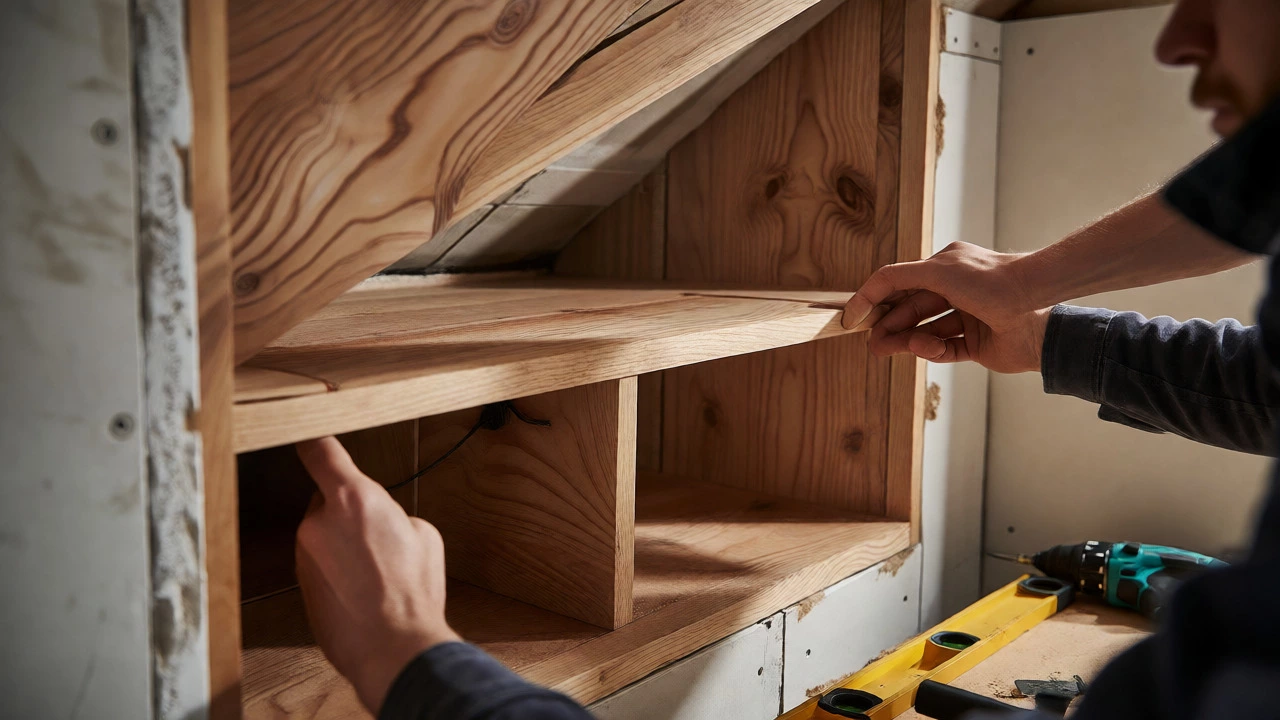
The Hidden Benefits: Space Maximization and Daily Friction
Money isn’t the only metric. Think about your daily routine. Do you spend five minutes every morning hunting for keys? Do you trip over shoes piled by the door? Built-ins solve these micro-frictions. By utilizing vertical space-going right up to the ceiling-you gain 20-30% more storage volume compared to standard freestanding units. This is crucial in smaller apartments or compact suburban homes where floor space is premium.
Consider the entryway. A custom bench seat with lift-up storage underneath hides muddy boots. Hooks above keep bags off the floor. This isn’t just pretty; it keeps your home cleaner with less effort. When storage is integrated into the architecture, you’re less likely to clutter surfaces because everything has a designated, hidden spot. This psychological benefit reduces stress. You stop seeing mess; you just close a door.
There’s also the safety aspect. Freestanding tall bookcases can tip over, especially in earthquake-prone areas like ours. Built-ins are anchored directly into the studs and framing, making them significantly safer for families with young children or pets. You don’t have to worry about anti-tip kits failing during a tremor.
The Downsides: Rigidity and Removal Nightmares
Here’s the catch: built-ins are permanent. If you decide to convert your home office back into a nursery in five years, removing those massive desk-and-shelf combos is a hassle. You’ll likely damage the drywall, leaving you with patching jobs or full replastering costs. Paint matching becomes a nightmare, especially if your current wall color has faded or been repainted since installation.
Rental properties present a different challenge. If you’re a landlord, built-ins can limit tenant flexibility. Some tenants prefer to hang art on bare walls rather than drill into fixed shelving. Others might find the layout restrictive. While built-ins attract long-term tenants who want low-maintenance living, they can deter short-term renters looking for a blank canvas. Plus, if a tenant damages the joinery, repairs are more complex than replacing a broken IKEA shelf.
Maintenance is another factor. Custom joinery requires careful cleaning. Dust collects in intricate moldings. Hinges loosen over time and need adjustment. With modular systems, you can swap out a damaged panel for $20. With custom work, you’re calling a specialist, which means waiting weeks for a quote and then paying hourly rates for minor fixes.
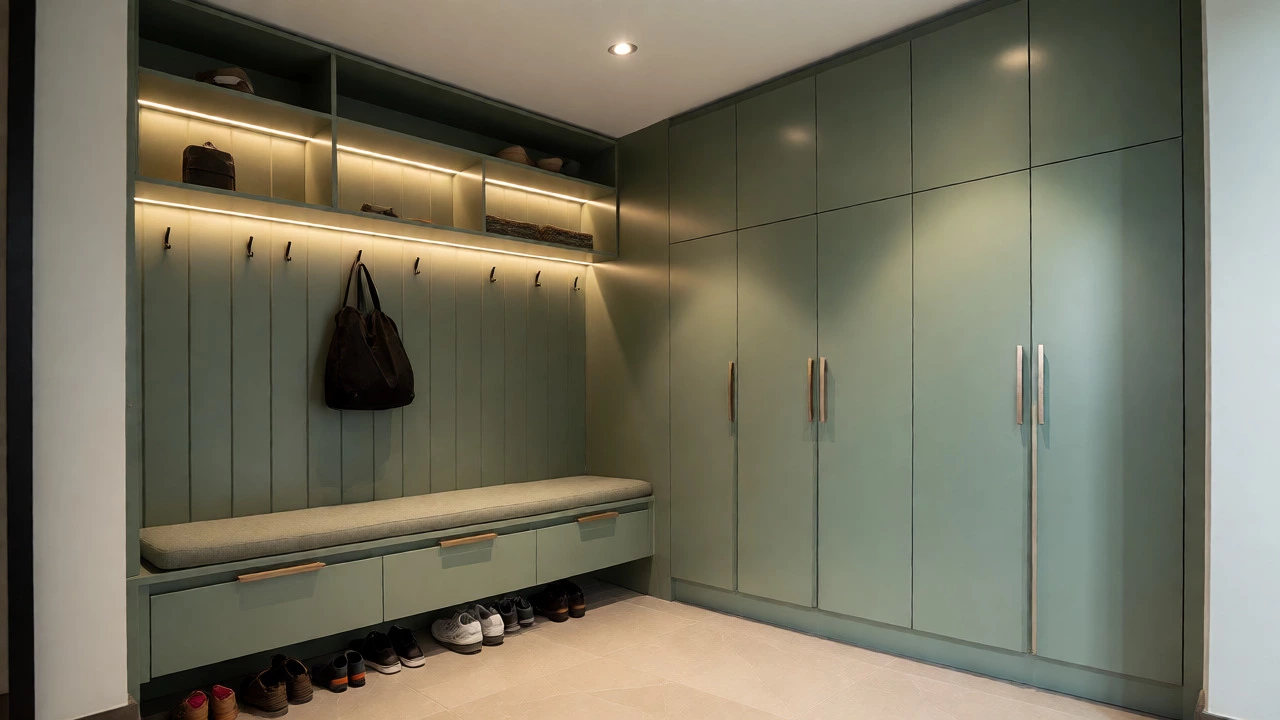
Smart Compromises: Hybrid Solutions
You don’t have to go all-in. Many homeowners find success with hybrid approaches. Use built-ins for structural necessities-like lining a closet or creating a pantry wall-and use freestanding pieces for flexible zones. For example, install a sturdy, anchored base unit for your TV and media components, but leave the upper shelves open or use floating brackets. This allows you to change the vibe without ripping out the whole wall.
Another trick is using modular systems but customizing the finish. Buy a standard frame from a big-box retailer, then hire a carpenter to add custom doors, drawer fronts, and trim that matches your skirting boards. This gives you the clean, integrated look of built-ins for about 40% of the cost. It’s easier to remove later too, as the core structure is standardized.
Also, consider temporary built-ins. Some companies offer “semi-custom” units that sit flush against the wall but aren’t permanently glued or screwed into the framing in a way that destroys the wall. These can be disassembled and moved. They’re ideal for renters or people who anticipate moving within a few years. Check reviews for brands specializing in semi-permanent installations in your region.
Decision Checklist: Should You Install?
Before you sign that contract, ask yourself these questions:
- Am I staying 5+ years? If yes, the comfort and value increase justify the cost. If no, stick to modular.
- Is the space awkward? Sloped ceilings, odd corners, or narrow hallways benefit most from custom fitting.
- Do I hate dusting? Closed built-in cabinets reduce surface area for dust accumulation compared to open shelves.
- Will it block light? Ensure the design doesn’t make a small room feel cramped. Use glass-fronted doors or open shelving sections.
- What does my neighbor’s house sell for? Look at comparable sales in your suburb. Did houses with built-ins sell faster or higher?
If you checked “yes” to three or more, built-ins are likely worth the investment. If you hesitated on the timeline or budget, start with a single zone, like the laundry or entryway, and see how it changes your daily life.
Do built-in wardrobes add more value than freestanding ones?
Generally, yes. Built-in wardrobes are considered permanent fixtures, which many homebuyers prefer as they perceive them as added value included in the purchase price. Freestanding wardrobes are personal property and often excluded from the sale, meaning the buyer must budget separately for storage. However, the quality of the built-in matters; poor craftsmanship can detract from appeal.
Can I remove built-in storage if I move?
You can, but it’s rarely practical. Removing built-ins usually damages the surrounding walls, requiring plastering and painting repairs. Most sellers leave them behind. If you absolutely must take them, negotiate this with the buyer beforehand, though they may demand a price reduction to cover the repair costs.
How much should I budget for custom built-ins per meter?
In New Zealand, expect to pay between $800 and $1,500 per linear meter for professionally installed, mid-to-high-end joinery. This includes materials, labor, and finishing. Basic carpentry-built boxes without doors might be cheaper ($500-$700/meter), while complex layouts with internal drawers and lighting can exceed $2,000 per meter.
Are built-ins bad for rental properties?
Not necessarily. They can attract longer-term tenants who appreciate low maintenance and ample storage. However, they reduce flexibility for tenants who want to rearrange rooms. Landlords should ensure the design is neutral and durable to withstand wear and tear. Avoid overly personalized features that might not suit future occupants.
What is the best material for built-in storage?
Melamine-faced chipboard is common for interiors due to durability and ease of cleaning. For visible faces, painted MDF or solid wood veneer offers a premium look. Solid wood is expensive and can warp in humid climates, so it’s often reserved for high-end projects. Laminate is cost-effective but can look cheap if edges aren’t finished well.